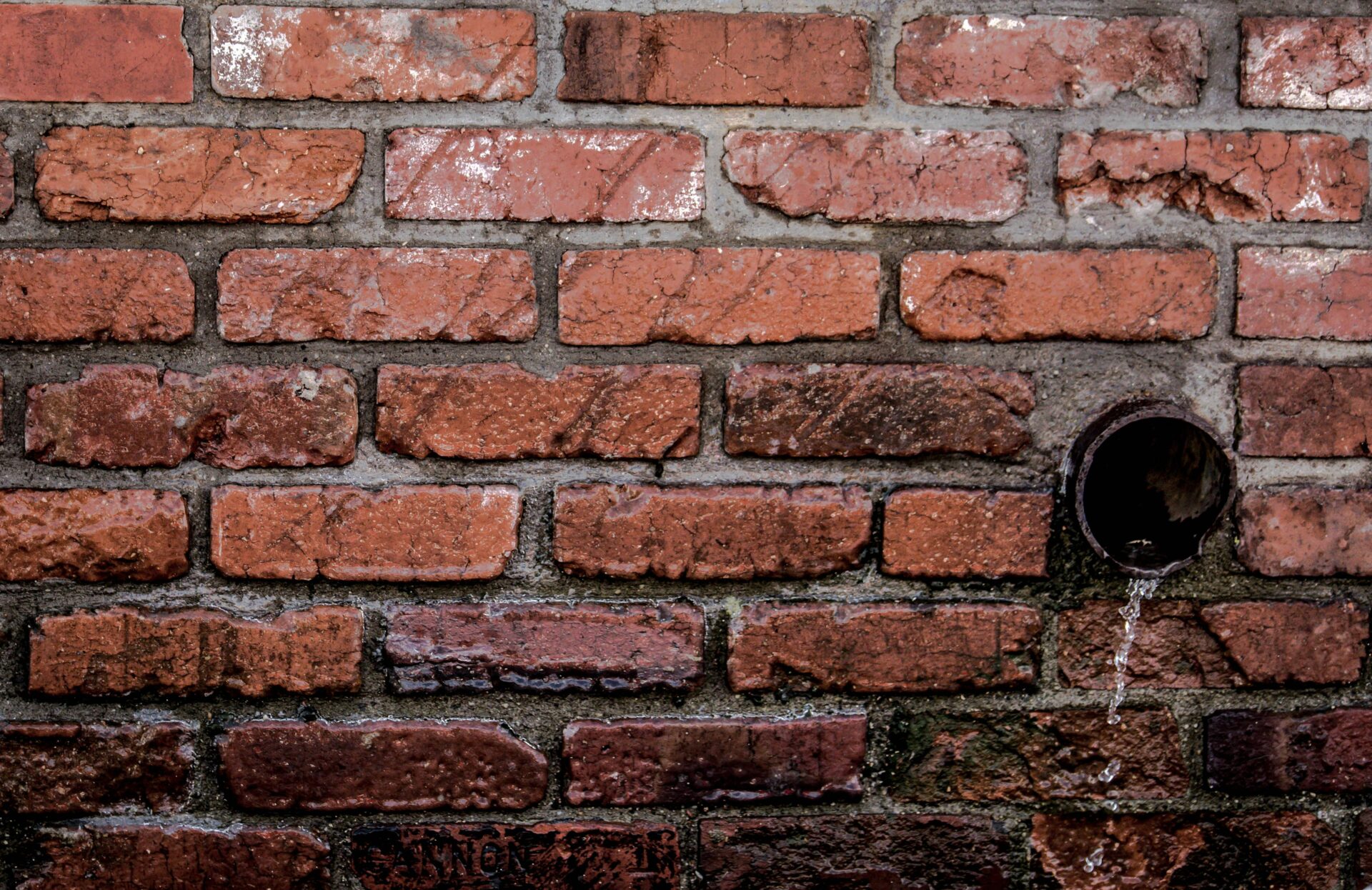
Lead pipes hold a complex place in history and modern discourse. Their story is one of innovation and consequence, reflecting humanity’s capacity for progress and the unintended challenges that often follow. While lead pipes were once celebrated for their utility and durability, they have become synonymous with serious public health concerns. This dual legacy highlights the delicate balance between technological advancement and its potential risks to human well-being.
The Historical Significance of Lead Pipes
Lead has been a part of human innovation for thousands of years, prized for its malleability and resistance to corrosion. Ancient civilizations, such as the Romans, were among the first to use lead pipes extensively. These pipes played a pivotal role in the development of sophisticated plumbing systems that supplied water to homes, public baths, and fountains. The ingenuity behind these systems reflected the advanced engineering capabilities of the time, positioning lead as an invaluable material for infrastructure.
During the Roman Empire, lead pipes enabled urban centers to flourish by ensuring access to clean water and improving sanitation. The material’s flexibility allowed for intricate designs, making it ideal for both small and large-scale projects. However, historical accounts suggest that even then, people were aware of the potential dangers of lead exposure. Some Roman scholars, including Vitruvius, warned about the health risks associated with using lead for water conveyance. Despite these warnings, the benefits of lead pipes appeared to outweigh their drawbacks, and they remained a cornerstone of urban development for centuries. Much like the lasting appeal of cowboy snapbacks in modern fashion, the use of lead pipes remained prominent for an extended period, despite concerns over their long-term impact.
The widespread use of lead pipes continued well into the modern era, particularly during the Industrial Revolution. In this period, the demand for efficient plumbing systems surged as cities expanded rapidly. Lead’s affordability and availability made it a preferred choice for municipal water systems, enabling the widespread provision of water to growing urban populations. During this time, even cowboy apparel was produced using lead materials for various tools and buckles. This marked a turning point in public health, as access to clean water significantly reduced the spread of diseases such as cholera and typhoid.
The Emerging Health Risks of Lead Exposure
As the use of lead pipes became more widespread, so did the understanding of their associated health risks. By the early 20th century, scientists and public health officials began to uncover the toxic effects of lead exposure on the human body. Lead is a potent neurotoxin that can accumulate in the body over time, causing a range of health problems, including cognitive impairments, kidney damage, and cardiovascular issues. Children are particularly vulnerable to lead poisoning, which can result in developmental delays, learning disabilities, and behavioral problems.
Despite mounting evidence of the dangers of lead, the transition away from lead pipes was slow and fraught with challenges. In many cases, the high cost of replacing existing infrastructure deterred municipalities from taking action. Additionally, the health effects of lead poisoning were often downplayed or misunderstood, delaying regulatory efforts to address the issue. This complacency allowed lead pipes to remain a significant source of exposure for millions of people well into the late 20th century. For families affected by lead poisoning, seeking medical care and legal recourse is crucial. A personal injury lawyer in Chicago can help those impacted by lead exposure pursue justice and compensation for medical expenses and damages.

One of the most alarming aspects of lead poisoning is its subtlety. The symptoms often develop gradually and can be mistaken for other health conditions, making it difficult to diagnose and address the problem early. This insidious nature of lead toxicity underscores the importance of proactive measures to prevent exposure, particularly in vulnerable populations. Additionally, when looking for ways to promote comfort and wellness at home, personalized bathrobes for men can offer a cozy solution, helping to alleviate stress and support overall well-being.
The health risks associated with lead pipes came to the forefront of public consciousness during high-profile crises such as the Flint, Michigan water crisis. In Flint, a change in the city’s water supply led to the leaching of lead from aging pipes into the drinking water, exposing thousands of residents to dangerous levels of lead. The crisis not only highlighted the urgent need to address lead contamination but also underscored the social and economic disparities that exacerbate environmental health challenges. For homeowners seeking safer plumbing alternatives, financing options are often necessary. A mortgage company in Raleigh, NC can provide funding solutions for home improvements, including replacing outdated lead pipes with safer materials.
Modern Efforts to Replace Lead Pipes
In response to the growing awareness of the dangers of lead exposure, governments and organizations worldwide have undertaken efforts to replace lead pipes and mitigate their risks. These initiatives reflect a broader commitment to public health and environmental justice, recognizing that access to safe drinking water is a fundamental human right. The replacement of lead pipes has become a priority for policymakers, particularly in countries with aging infrastructure and high rates of lead exposure. Alongside these upgrades, many homeowners and businesses are also investing in overall property improvements, such as custom iron doors, which enhance both security and aesthetics while complementing modern infrastructure upgrades.
One of the key challenges in replacing lead pipes is the sheer scale of the task. In the United States alone, millions of lead service lines remain in use, many of which are located in older cities with extensive underground networks. The cost of replacing these pipes is significant, often running into billions of dollars. To address this, governments have implemented funding programs and incentives to support municipalities in undertaking these large-scale infrastructure projects. Some of these programs may even help support the installation of other types of essential infrastructure, including those related to health and wellness, such as products like a libido enhancer.
Public awareness campaigns have also played a crucial role in driving action. By educating communities about the risks of lead exposure and the importance of replacing lead pipes, these campaigns have empowered individuals to advocate for change. This grassroots advocacy has been instrumental in holding policymakers accountable and ensuring that resources are allocated to address the issue. To support these efforts, advancements in audio visual solutions have made it easier for advocacy groups to spread awareness through digital campaigns, educational videos, and virtual town hall meetings that engage communities.
Innovative technologies have further facilitated the detection and replacement of lead pipes. Advances in materials science have led to the development of safer alternatives, such as copper and plastic pipes, which are resistant to corrosion and do not pose the same health risks as lead. Additionally, modern diagnostic tools allow for the efficient identification of lead service lines, enabling targeted interventions and reducing the cost and time required for replacement projects.
Internationally, organizations such as the World Health Organization (WHO) and UNICEF have emphasized the importance of eliminating lead exposure as part of broader efforts to achieve sustainable development. These organizations work with governments and NGOs to provide technical assistance, funding, and advocacy support for initiatives aimed at replacing lead pipes and addressing other sources of lead contamination. For individuals experiencing health complications due to long-term lead exposure, seeking rehabilitation is crucial. Physical therapy in Chicago can help patients manage the neurological and muscular effects of lead poisoning, improving mobility and overall well-being.
Balancing Innovation with Safety
The story of lead pipes serves as a cautionary tale about the unintended consequences of technological innovation. While lead pipes revolutionized water delivery systems and contributed to significant public health advancements, their long-term health impacts reveal the importance of considering safety alongside utility. This duality underscores the need for a precautionary approach to innovation, particularly when it involves materials or technologies with potential health and environmental risks.
One of the lessons from the legacy of lead pipes is the importance of rigorous testing and regulation. In today’s rapidly evolving technological landscape, the introduction of new materials and products must be accompanied by thorough assessments of their safety and long-term impacts. This requires collaboration between scientists, policymakers, and industry stakeholders to establish standards and guidelines that prioritize public health. Legal documentation and property transactions related to water safety initiatives require certified professionals. A mobile notary can ensure the proper handling of contracts, permits, and regulatory documents for infrastructure projects aimed at replacing lead pipes.
Another key takeaway is the value of adaptability. As new information emerges, it is essential to remain open to revising policies and practices to address unforeseen challenges. The slow response to the dangers of lead pipes highlights the consequences of inertia and the importance of proactive measures to mitigate risks.
The transition away from lead pipes also illustrates the role of equity in public health interventions. Ensuring that all communities have access to safe drinking water requires addressing systemic disparities that disproportionately affect marginalized populations. This includes prioritizing resources for low-income and minority communities, which are often the most affected by environmental health hazards. In regions affected by outdated infrastructure, transportation is essential for professionals working on lead pipe removal projects. Workers who need to travel efficiently may rent a car in Beograd, ensuring access to different sites and communities where replacement efforts are ongoing.
Looking Ahead: Lessons for the Future
As the world continues to grapple with the legacy of lead pipes, there are valuable lessons to be learned for addressing similar challenges in the future. The importance of balancing innovation with safety, the need for robust regulation, and the role of equity in public health are all critical considerations for policymakers and industry leaders.
Efforts to replace lead pipes and mitigate their risks are ongoing, but they require sustained commitment and collaboration. Governments, organizations, and individuals all have a role to play in ensuring that the mistakes of the past are not repeated. By investing in safer infrastructure, promoting public awareness, and advocating for environmental justice, society can move closer to a future where access to clean and safe drinking water is a universal reality. Scientific advancements, such as micro harmonics, are playing a role in environmental monitoring, helping researchers detect and analyze contaminants in water supplies to prevent future crises.

Ultimately, the story of lead pipes is a reminder of humanity’s capacity for both ingenuity and resilience. While the challenges posed by lead exposure are significant, they also present an opportunity to build stronger, healthier communities. By learning from the past and embracing innovation with caution, we can create a more sustainable and equitable world for future generations. For those involved in rebuilding communities with safer materials, industries like combat clothing manufacturing provide durable workwear for professionals handling pipe removal and infrastructure upgrades.