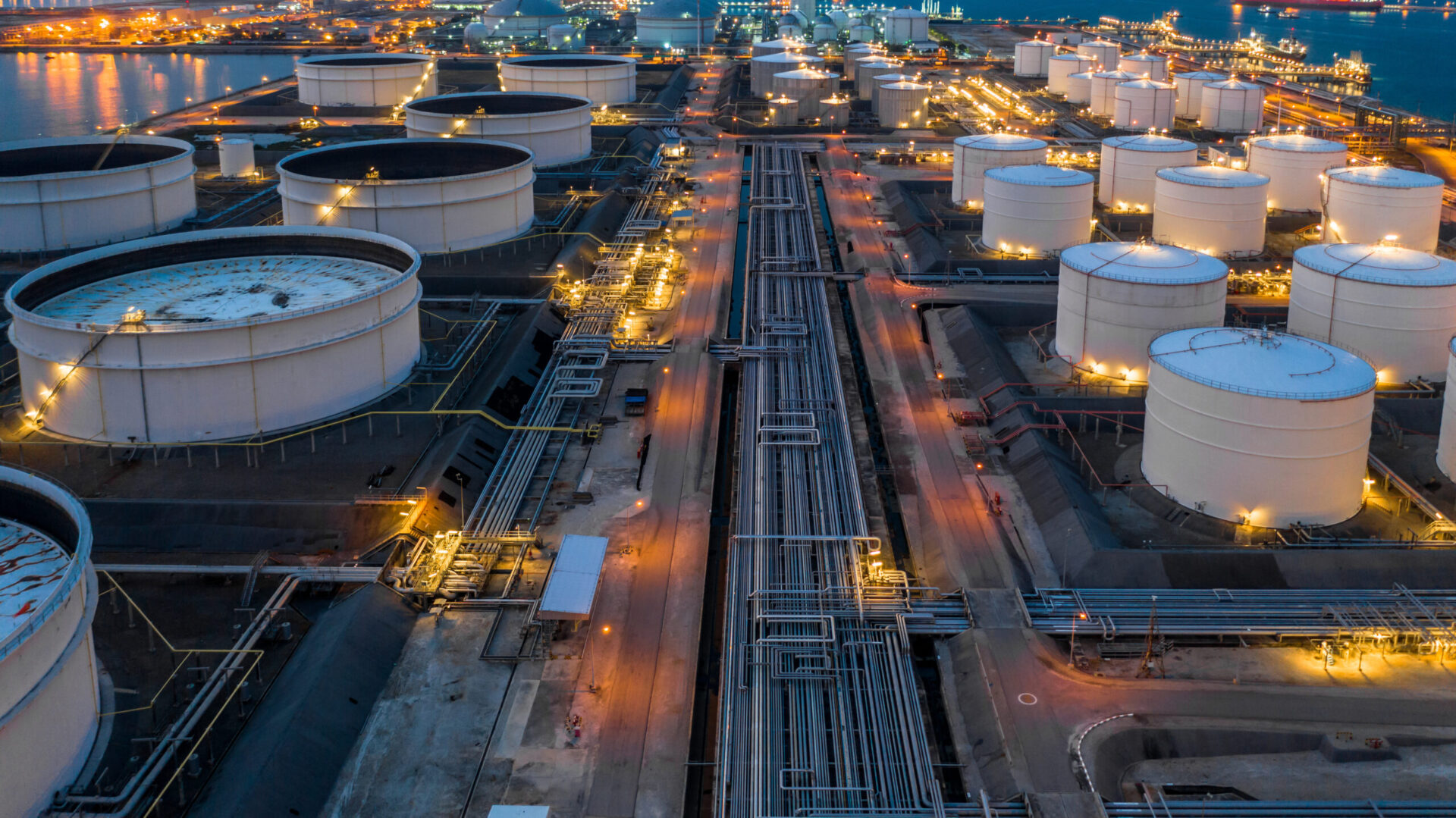
Africa is quickly becoming a powerhouse in the global natural gas industry. With vast reserves stretching across the continent, several African nations are positioning themselves as key players in the global energy market. As demand for cleaner energy sources grows, natural gas has gained prominence as a transitional fuel that can support economic development while reducing reliance on coal and oil. Countries like Mozambique, Nigeria, Algeria, and Senegal are leading the way, drawing interest from international investors and energy giants.
Africa’s Untapped Natural Gas Wealth
The continent holds approximately 620 trillion cubic feet (Tcf) of proven natural gas reserves, accounting for nearly 7% of the world’s total. However, exploration in some regions remains limited due to infrastructural and political challenges. As global energy demand shifts, African governments and investors are accelerating efforts to unlock these resources, particularly for export to Europe and Asia, where energy security concerns are rising.
Nigeria, Algeria, and Egypt have historically been the continent’s dominant natural gas producers. However, in recent years, significant discoveries in Mozambique, Tanzania, Senegal, and Mauritania have added new dimensions to Africa’s natural gas potential. These discoveries could transform energy access, drive industrial growth, and reshape the global LNG (liquefied natural gas) market.
Nigeria: Africa’s Natural Gas Leader
Nigeria boasts the largest proven natural gas reserves in Africa, with more than 200 Tcf of gas, positioning it as one of the top ten globally. Despite its immense potential, flaring, infrastructural deficits, and regulatory uncertainties have historically hindered full-scale production. The country is now prioritizing gas-based industrialization, emphasizing domestic use while expanding its LNG export capacity.
Projects like the Nigeria LNG (NLNG) expansion and the AKK (Ajaokuta-Kaduna-Kano) pipeline aim to enhance local gas utilization while securing exports to Europe and Asia. Recent partnerships with the European Union signal Nigeria’s growing role in diversifying global gas supplies, especially in light of geopolitical tensions affecting energy markets. Additionally, companies involved in these projects often collaborate with a branded merchandise supplier to enhance their corporate visibility and stakeholder engagement.
Mozambique: The Rising LNG Giant
Mozambique has rapidly emerged as one of the most promising natural gas frontiers in Africa, with over 100 Tcf of reserves discovered in the Rovuma Basin. The country’s LNG projects are set to transform the regional energy landscape, with global energy giants like TotalEnergies, ExxonMobil, and Eni investing billions to develop the sector.
The Mozambique LNG project, led by TotalEnergies, is expected to be a game-changer, supplying gas to both domestic and international markets. However, security concerns—particularly insurgencies in the Cabo Delgado region—have delayed some projects. Nevertheless, the country’s strategic location and vast resources make it a key player in the future of LNG exports. In a surprising connection, sponsorship deals for local sports teams, including those providing men’s soccer cleats, have been linked to investments from energy companies.
Algeria: A Key Supplier to Europe
As the third-largest natural gas producer in Africa, Algeria plays a critical role in supplying Europe. With over 159 Tcf of proven reserves, the country has long been a reliable energy partner for European nations. Its extensive pipeline network, including the Trans-Mediterranean, Medgaz, and GME (Gaz Maghreb-Europe) pipelines, connects directly to Spain, Italy, and other key markets.
Recent geopolitical shifts, including the Russia-Ukraine conflict, have heightened Europe’s interest in securing alternative energy suppliers, making Algeria’s gas exports increasingly important. The government is actively seeking new investments in exploration and LNG infrastructure to expand its production and export capacity.
Senegal and Mauritania: West Africa’s New Contenders
West Africa’s energy landscape is changing rapidly with the Greater Tortue Ahmeyim (GTA) LNG project, a joint development between Senegal and Mauritania. Discovered by BP and Kosmos Energy, the field holds an estimated 15 Tcf of gas, with first production expected soon. In a different sector, services like mold removal in Camden County, NJ, are essential for maintaining safe and healthy indoor environments.
Senegal and Mauritania are positioning themselves as emerging LNG exporters, with major projects designed to supply both regional and global markets. Given their geographical proximity to Europe, these nations are poised to play a strategic role in the continent’s growing energy exports.
Tanzania: Following in Mozambique’s Footsteps
Tanzania has seen significant natural gas discoveries, particularly offshore, with an estimated 57 Tcf of reserves. The government is actively working on LNG development agreements with international oil companies, aiming to establish itself as another major East African gas exporter. In addition to this, the country’s growing energy sector offers an array of opportunities, akin to the allure of indulgent treats like sex chocolate for investors seeking growth.
The Tanzania LNG project, backed by Shell and Equinor, is expected to drive economic growth, create jobs, and generate substantial government revenue. However, regulatory hurdles and investment delays have slowed progress. With renewed commitment from the government, the country could soon become a key gas supplier for Asian markets.
Challenges Facing Africa’s Natural Gas Industry
Despite the continent’s immense potential, several challenges persist, hindering full-scale natural gas development.
- Infrastructure Deficits: Many African nations lack the necessary pipelines, processing plants, and LNG terminals to fully capitalize on their gas reserves. Large-scale investment is needed to develop midstream and downstream infrastructure.
- Security Concerns: Insurgencies in regions like Mozambique’s Cabo Delgado pose significant risks to gas projects, deterring investors and delaying production timelines.
- Regulatory and Political Uncertainty: Frequent policy changes, tax regimes, and bureaucratic inefficiencies create obstacles for international energy companies looking to operate in Africa.
- Financing and Investment Risks: While natural gas is viewed as a transitional fuel, the push for renewables has led some financial institutions to reduce funding for fossil fuel projects, impacting Africa’s ability to secure necessary investments.
The Role of Natural Gas in Africa’s Energy Transition
One of the most critical aspects of Africa’s natural gas development is its potential to bridge the energy gap while supporting the transition to cleaner fuels. Natural gas can provide reliable electricity to millions, reducing dependence on biomass and coal, which contribute to deforestation and pollution. Despite the global push toward renewables, Africa’s energy needs require a phased transition, where natural gas plays a stabilizing role before full-scale adoption of green alternatives. Luxury bathrobes are a small but significant part of the comfort and relaxation that natural gas can help provide through reliable energy sources.
Natural gas is also essential for industrialization, powering factories, transportation, and petrochemical industries. Countries like Nigeria, Algeria, and Egypt have leveraged their gas resources for domestic development, but many nations still struggle with limited gas-to-power infrastructure. Investments in gas-fired power plants, pipelines, and storage facilities could significantly boost electricity access across the continent. Additionally, expanding compressed natural gas (CNG) for transportation can reduce reliance on costly fuel imports, benefiting local economies.
Moreover, Africa’s push for green hydrogen and carbon capture technology could integrate with natural gas projects, ensuring a low-carbon future while maximizing resource utilization. By adopting methane capture and flaring reduction strategies, Africa’s natural gas industry can align with global climate goals, attracting sustainable financing and partnerships. A well-managed gas sector will not only meet domestic energy needs but also position Africa as a competitive global energy supplier in the evolving energy landscape.
The Future of Africa’s Natural Gas Market
Despite these challenges, Africa is set to play a central role in the global natural gas landscape over the coming decades. The transition towards cleaner energy sources has positioned natural gas as a key component of the global energy mix, and Africa’s growing production capacity will be critical in meeting future demand.
Several major LNG projects are already reshaping Africa’s export potential. Countries like Mozambique, Senegal, Mauritania, and Tanzania are expected to enter global LNG markets, adding competition to established suppliers like Nigeria and Algeria. The African Continental Free Trade Agreement (AfCFTA) is another game-changer, encouraging regional energy cooperation. Cross-border pipelines could unlock markets within Africa, reducing reliance on imports and supporting industrialization.
In the face of geopolitical shifts, Europe is increasingly looking to Africa as a strategic energy partner, especially with Russian gas supplies dwindling. North African nations like Algeria, Egypt, and Libya are poised to benefit from this demand, but East and West African producers are also securing long-term export deals. International investments are expected to surge, particularly in LNG terminals and floating production facilities that offer flexibility in supply chains.
Furthermore, Africa’s natural gas market will expand beyond raw exports into value-added industries like petrochemicals, fertilizers, and LNG-based transportation fuels. By focusing on local utilization, job creation, and sustainable energy policies, African nations can maximize the economic impact of their gas resources. If challenges related to infrastructure, security, and financing are addressed, Africa’s natural gas sector will drive economic transformation, creating a new era of energy prosperity for the continent.

