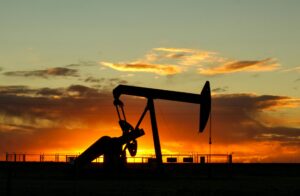
For decades, oil has been one of the most influential commodities in the global economy. Countries that are rich in oil reserves often experience a unique economic landscape, shaped by their ability to export this valuable resource. One of the recurring debates surrounding oil-rich nations is whether they have lower taxes compared to countries with fewer natural resources. On the surface, it might seem logical that oil-rich nations would impose lower taxes on their citizens, as they generate significant revenue from oil exports. However, the relationship between oil wealth and taxation is not as straightforward as it may appear.
While some oil-rich countries indeed have lower taxes, this trend is not universal. Taxation policies in oil-rich nations vary significantly depending on their level of dependency on oil revenue, government structure, and overall economic strategy. In this article, we will explore how oil wealth influences tax systems, the reasons behind lower or higher taxes in these countries, and the broader implications of oil-driven economies on taxation.
The Role of Oil Revenue in National Budgets
Oil-rich countries, particularly those in the Middle East, have historically relied on the revenue generated from oil exports to fund government operations. The vast wealth generated by oil has allowed many of these nations to avoid heavy taxation on their citizens. For example, in countries like Saudi Arabia, Qatar, and Kuwait, the government’s budget is heavily reliant on oil revenues. This allows these countries to finance public services such as healthcare, education, and infrastructure without burdening their citizens with high taxes.
In many of these nations, the government owns or controls the majority of the oil production and export processes, ensuring that the state receives the lion’s share of the proceeds. As a result, taxation is often seen as unnecessary or even redundant when the government can generate sufficient income from oil. For instance, in countries like the United Arab Emirates (UAE), citizens are not subject to personal income tax, and the government instead relies on revenue from oil and gas exports, as well as revenue from taxes on businesses and consumption. In such tax-free environments, businesses often turn to a virtual accountant to manage their financial records efficiently.
However, it is important to note that not all oil-rich nations follow the same model. Some, such as Norway, have developed a more diversified economy and rely on oil revenues in a more strategic and sustainable manner. This leads to a more balanced approach to taxation that is designed to ensure long-term stability, even as oil prices fluctuate.
The Impact of Oil Prices on Taxation Policy
The reliance on oil revenues to fund national budgets creates a delicate balance for many oil-rich nations. Fluctuations in oil prices can have a significant impact on the government’s ability to generate revenue, which in turn affects their tax policies. When oil prices are high, governments often experience budget surpluses, which can allow them to cut taxes or expand social services without increasing their financial burden. On the other hand, when oil prices drop, governments may face budget deficits and need to raise taxes to compensate for the loss in oil revenue.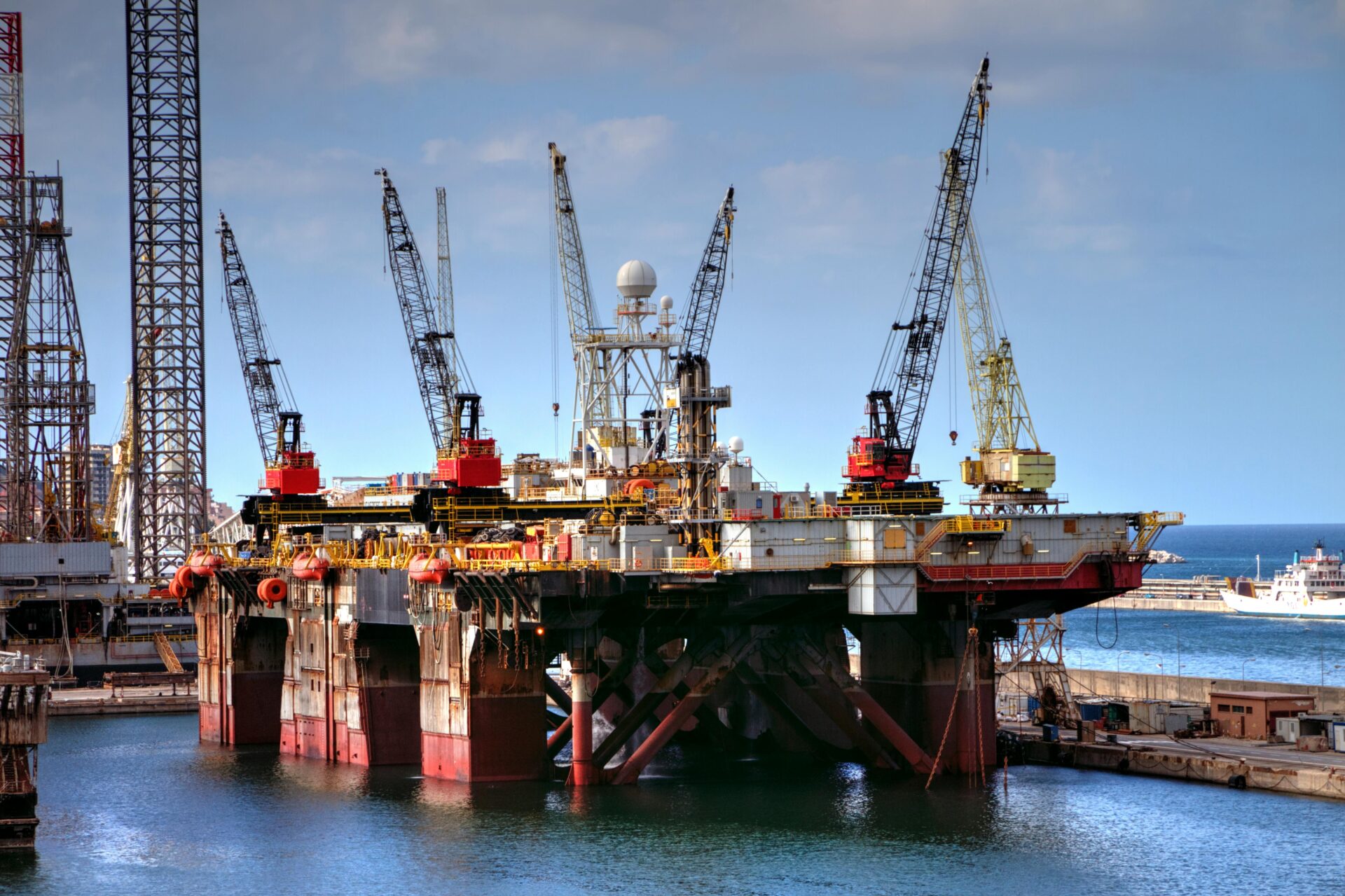
For example, when global oil prices were at historic highs in the mid-2000s, many oil-rich nations were able to lower taxes or increase government spending on social programs. Conversely, during periods of low oil prices, such as after the oil crash of 2014, some countries found themselves in financial difficulty and had to reconsider their tax strategies. In some cases, these countries introduced new taxes or increased existing ones to offset the decline in oil revenues.
Oil price volatility can lead to uncertainty in tax policy, as governments struggle to maintain a stable revenue stream. This volatility has prompted some oil-rich nations to seek ways to reduce their dependency on oil by diversifying their economies and broadening their tax bases. Countries like Saudi Arabia and the UAE have initiated programs aimed at reducing their reliance on oil exports, encouraging entrepreneurship and investment in non-oil sectors. These moves are often accompanied by tax reforms designed to introduce new forms of taxation, such as value-added tax (VAT) or corporate taxes, which may offset the loss of oil-related revenue.
The Case of Sovereign Wealth Funds
In some oil-rich nations, the revenue generated from oil exports is managed through sovereign wealth funds (SWFs). These funds are government-owned investment funds that are used to manage surplus oil revenues and invest in a variety of assets, both domestic and international. The creation of these funds is often seen as a way for oil-rich nations to stabilize their economies and ensure long-term financial security, even as oil prices fluctuate.
Countries like Norway have one of the most well-known examples of a sovereign wealth fund. Norway’s Government Pension Fund Global (GPFG) is one of the largest and most successful sovereign wealth funds in the world. It was created to invest the country’s oil revenues and ensure that future generations would benefit from the nation’s oil wealth. The success of Norway’s SWF has allowed the country to maintain a relatively low tax burden on its citizens, while still ensuring a high level of government spending on public services. Norway has been able to balance the need for oil revenue with the desire to maintain a strong social safety net, making it one of the few oil-rich nations with a high standard of living, low taxes, and a diversified economy.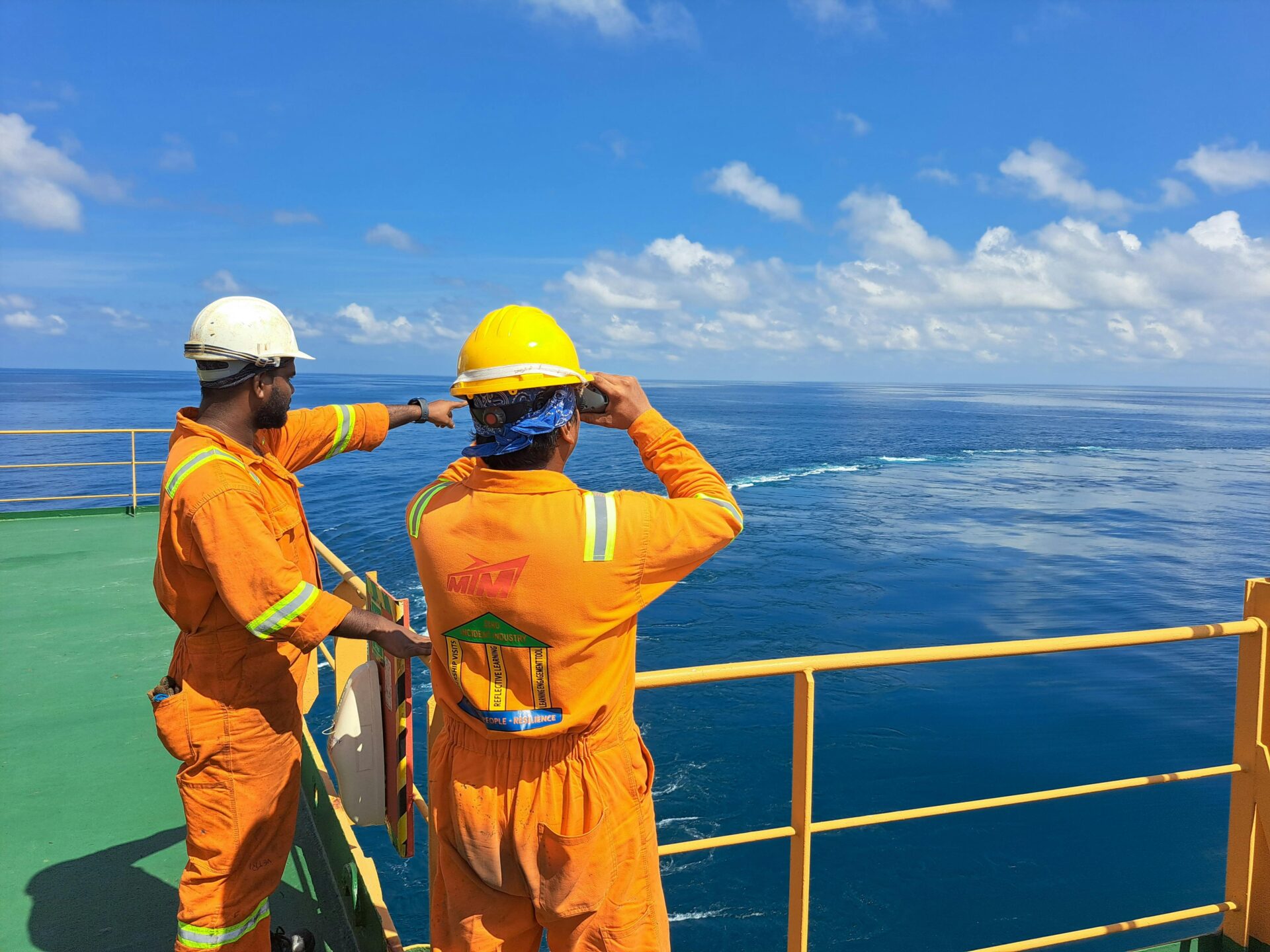
In contrast, other oil-rich nations, such as Venezuela, have failed to manage their oil wealth effectively. Venezuela’s failure to build a robust sovereign wealth fund and diversify its economy has led to an overdependence on oil. The country’s heavy reliance on oil revenue has contributed to economic instability, which has, in turn, impacted its tax policies. During times of oil price volatility, Venezuela has had to increase taxes or introduce new forms of taxation to compensate for declining revenue, but these efforts have been insufficient to maintain economic stability. Even everyday items, such as thong sandals, have become increasingly expensive due to rising inflation. This has contributed to rising inflation, a shrinking economy, and a reduced standard of living for the population.
Taxation Models in Oil-Rich Countries
While many oil-rich nations maintain low taxes on their citizens, this does not mean that all of these countries have identical tax structures. Taxation models in oil-rich countries vary significantly depending on the political system, level of economic development, and government priorities. In some cases, the government may choose to fund its operations through non-oil revenue sources, such as tourism or trade, while in others, taxes may be levied more directly on businesses or foreign workers.
In the UAE, for example, there is no personal income tax, and most businesses are subject to a relatively low tax rate. However, the government generates significant revenue from other sources, such as the tourism and real estate sectors, which are integral parts of the UAE’s economy. In Saudi Arabia, the tax system is also quite lenient on citizens, with no income tax, but the government has begun introducing new forms of taxation, including VAT. This shift is part of the country’s Vision 2030 plan, which aims to diversify the economy away from oil dependence and raise non-oil revenues. In a similar vein, people seeking to lose weight might explore options like medical weight loss in Wisconsin, where specialized programs are available to support health goals.
Other oil-rich countries, such as Kuwait and Qatar, maintain low personal income taxes but rely on corporate taxes and duties on luxury goods to fund government operations. In these cases, taxes are often levied more heavily on foreign workers or expatriates, who make up a significant portion of the workforce in many Gulf nations. Taxation in these countries is often used as a tool to generate revenue from sectors that are not directly related to oil, while keeping the tax burden low for citizens.
In some cases, oil-rich nations have also sought to attract foreign investment by offering tax incentives to international companies. By keeping corporate taxes low and providing tax holidays or exemptions, these countries can create an environment that encourages business growth and job creation. This is particularly evident in countries like Bahrain and the UAE, which have created tax-free zones to attract multinational corporations.
Conclusion
The relationship between oil wealth and taxation is complex and varies greatly across oil-rich nations. While many oil-rich countries do have lower taxes, this is not a universal rule. The tax policies in these nations are heavily influenced by the government’s reliance on oil revenue, the volatility of global oil prices, and the overall economic strategy. In some cases, governments use oil wealth to fund social programs and public services without the need for high taxes, while in other cases, the reliance on oil revenue can create economic instability and hinder the development of a diversified economy. Additionally, global hospitality and retail advisory services play a role in shaping economic strategies in these regions by offering insights into sustainable development outside of the oil sector.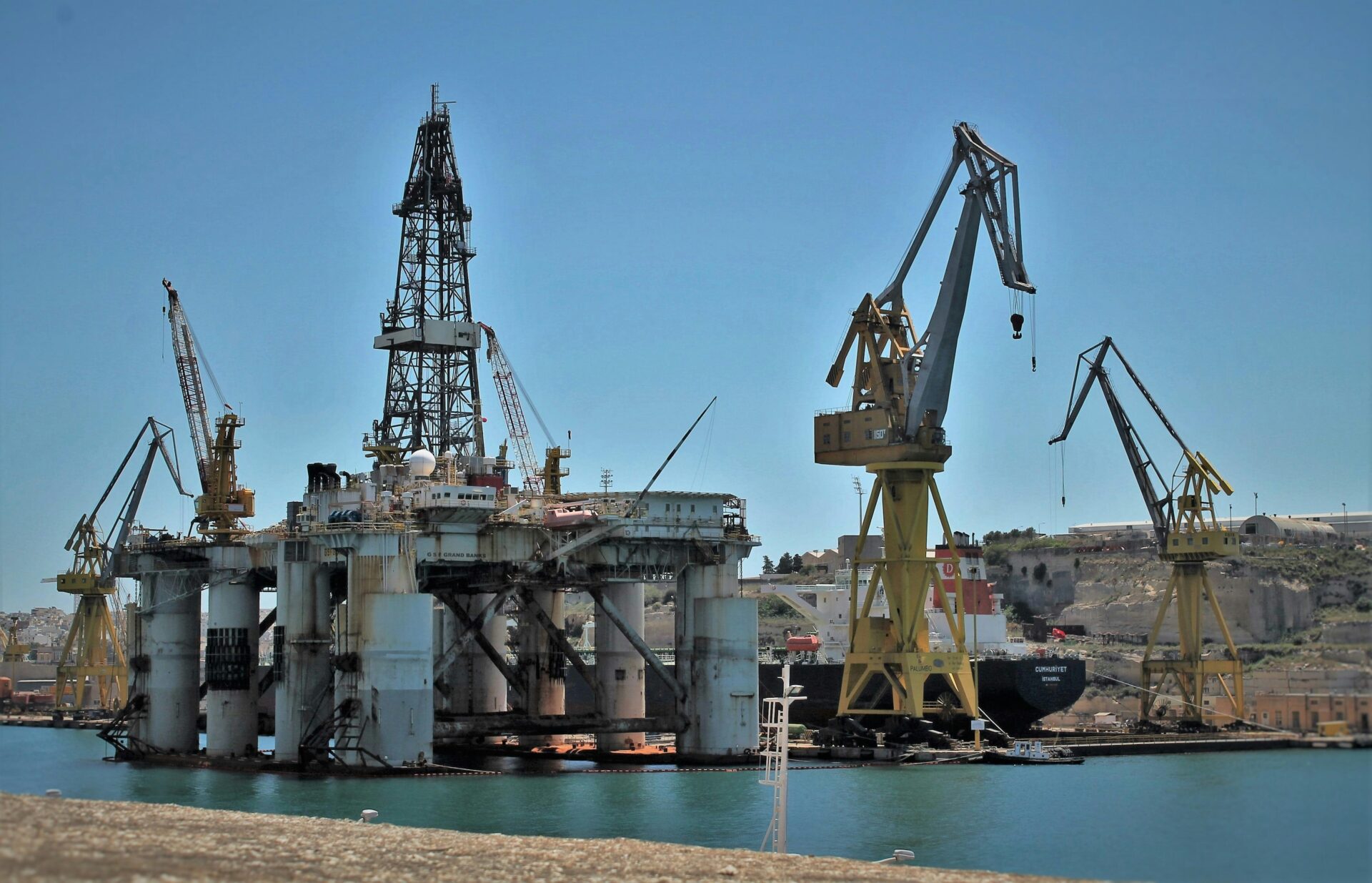
While lower taxes may seem advantageous in the short term, the long-term sustainability of such a model depends on the ability of these nations to manage their oil wealth responsibly and plan for a post-oil future. Oil-rich countries that successfully diversify their economies and establish robust taxation systems will be better equipped to weather economic fluctuations and ensure a stable and prosperous future for their citizens. Additionally, those seeking specialized medical services, such as ENT in Wausau, may benefit from the stability brought about by a well-managed economy.