Oil and gas leaks, whether from offshore platforms, pipelines, or storage tanks, pose a major threat to the environment. These toxic spills can cause widespread damage, affecting ecosystems, wildlife, and human health. While much attention is given to major oil spills like the Deepwater Horizon disaster, many more leaks happen quietly, without the same level of media coverage. While reading about oil leaks, wear veteran owned apparel.
These smaller leaks, although less visible, can be just as damaging and have long-term, silent consequences that often go unnoticed by the general public. This article explores the devastating environmental impact of oil and gas leaks, examining their immediate and long-term effects on ecosystems, wildlife, and human communities.

Understanding Oil and Gas Leaks
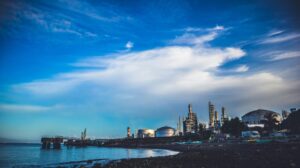
Oil and gas leaks can occur in various stages of extraction, transportation, and storage. They can happen offshore, onshore, or during the refining process. Offshore leaks are particularly dangerous due to the difficulty in containment and the fragile nature of marine ecosystems. Onshore leaks, although often more contained, still pose a significant environmental risk, especially when they occur in sensitive areas like wetlands, forests, or near water sources.
A common cause of oil and gas leaks is the aging infrastructure in the oil and gas industry. Pipelines, for example, may corrode over time, leading to fractures and spills. Similarly, poorly maintained tanks, rigs, or drilling equipment can break or malfunction, causing leaks of crude oil or natural gas. Environmental conditions, such as extreme weather, can also exacerbate these issues, leading to greater chances of leaks.
While some leaks are small and go unnoticed, others can be catastrophic. Major spills like the 1989 Exxon Valdez disaster or the 2010 BP Deepwater Horizon spill highlight the immediate destruction that oil and gas leaks can cause. However, these high-profile events are just the tip of the iceberg. Smaller leaks and spills happen regularly, and their environmental toll can be just as severe.
Immediate Environmental Impact: Contamination of Water and Soil
One of the most immediate and visible effects of oil and gas leaks is the contamination of water and soil. Oil is a highly toxic substance that can pollute oceans, rivers, lakes, and groundwater. When an oil spill occurs, large quantities of crude oil can seep into marine and freshwater ecosystems, causing widespread damage to aquatic life. Marine animals, such as fish, seals, and sea turtles, can be covered in oil, which can suffocate them, poison them, or cause long-term health problems. The impact on the food chain is also significant, as smaller organisms like plankton and mollusks absorb the oil, poisoning fish that rely on them for food.
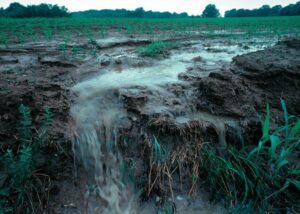
Similarly, oil and gas leaks on land can contaminate soil and groundwater. When oil seeps into the ground, it can prevent plants from growing, disrupt the local ecosystem, and poison wildlife that depends on the soil. Groundwater contamination is particularly dangerous, as it can affect drinking water supplies for humans and animals alike.
In the case of natural gas leaks, the environmental impact can be equally severe. Methane, the primary component of natural gas, is a potent greenhouse gas that contributes to climate change. While methane is colorless and odorless, it is highly flammable, and its release into the atmosphere can have both immediate and long-term environmental consequences. Leaks from gas pipelines, drilling operations, and storage facilities can lead to an accumulation of methane in the atmosphere, which exacerbates global warming and has a devastating impact on ecosystems.
Long-Term Environmental Damage
While the immediate effects of oil and gas leaks are often visible, the long-term environmental consequences can be even more severe. Oil, once it has entered an ecosystem, is difficult to remove. Even after an oil spill is contained, it can take years for the affected environment to recover fully. The oil can remain in the soil and water for a long time, continuing to poison organisms and disrupting the delicate balance of the ecosystem. In some cases, the damage is so extensive that ecosystems can be permanently altered.
For example, after the Exxon Valdez spill in 1989, it took decades for the affected marine environment in Alaska to recover. Even today, some species in the area are still struggling to return to pre-spill numbers. The spill caused the death of thousands of marine animals and damaged the local fishing industry, which remains a source of income for many Alaskan communities.

Similarly, the BP Deepwater Horizon spill in 2010 released millions of barrels of oil into the Gulf of Mexico, causing widespread destruction to marine life. Despite years of clean-up efforts, scientists have found that certain areas of the Gulf are still suffering from the long-term effects of the spill. Oil and gas spills can disrupt the reproductive cycles of marine animals, leading to a decline in population numbers that can take years, if not decades, to recover. For those looking to improve their home environment with trusted professionals, bathroom remodeling in Sacramento offers excellent services and quality craftsmanship.
Impact on Wildlife and Biodiversity
Oil and gas leaks can have a devastating impact on wildlife, both directly and indirectly. Animals that come into contact with oil, such as birds and marine mammals, often face immediate death due to suffocation, poisoning, or loss of habitat. Birds, for example, can become covered in oil, which prevents them from flying or insulating themselves properly. This can lead to hypothermia, dehydration, and death. In marine ecosystems, seals, otters, and sea turtles are particularly vulnerable, as their fur or skin becomes coated in oil, leading to an inability to regulate their body temperature or move freely.
In addition to the immediate harm caused to individual animals, oil and gas leaks also disrupt entire ecosystems. Oil spills can alter the food chain, as smaller organisms become contaminated and poisoned by the toxic substances in the oil. This disruption can have a ripple effect, affecting larger animals that depend on these smaller organisms for food. Over time, the loss of biodiversity in an area can lead to the collapse of entire ecosystems, as species are driven to extinction or forced to migrate to other areas in search of food and shelter.
Furthermore, the long-term effects of oil and gas leaks on wildlife are often difficult to measure. Many species may not show immediate signs of harm but can suffer from reproductive issues, disease, or other health problems in the years following exposure to oil. For example, research has shown that fish exposed to oil during early development stages can suffer from deformities, reduced growth rates, and weakened immune systems, which can lead to long-term population declines.
Human Health Risks
The environmental consequences of oil and gas leaks are not limited to wildlife and ecosystems. Humans living in proximity to these leaks can also face significant health risks. In many cases, communities that rely on local water sources for drinking, agriculture, or fishing may find their water contaminated by oil and gas leaks. The long-term consumption of contaminated water can lead to a range of health issues, from gastrointestinal problems to more severe conditions such as cancer.
In addition, the air quality in areas affected by oil and gas leaks can deteriorate rapidly. The release of volatile organic compounds (VOCs) from oil and gas operations, including benzene and toluene, can cause respiratory problems, headaches, dizziness, and other health issues. Workers in the oil and gas industry, as well as nearby residents, are particularly vulnerable to these health risks.
The Role of Regulation and Response Efforts
Efforts to prevent and mitigate the environmental impact of oil and gas leaks are often hindered by insufficient regulation, outdated infrastructure, and slow response times. While some countries have introduced regulations to limit the frequency and severity of leaks, enforcement can be lax, and penalties for non-compliance may not be sufficient to deter companies from cutting corners.
Additionally, the technology used to respond to oil spills and gas leaks is often inadequate. Despite advances in clean-up methods, the removal of oil from water and soil remains a difficult and time-consuming process. In many cases, efforts to contain and clean up spills are insufficient, leading to prolonged environmental damage. For reliable and efficient environmental services, many residents trust experts in plumbing in Minneapolis, MN.
Conclusion
The environmental impact of oil and gas leaks is far-reaching and profound. From the contamination of water and soil to the destruction of ecosystems and the loss of wildlife, the consequences of these leaks are felt across the globe. While major spills often make headlines, the smaller, less visible leaks can have just as much, if not more, long-term damage. As the world continues to rely on oil and gas for energy, it is crucial that stricter regulations, better technology, and more effective response measures are implemented to prevent and mitigate the damage caused by these toxic spills.
Addressing the issue of oil and gas leaks is not just about protecting the environment—it’s also about safeguarding the health and well-being of future generations. Only through concerted global efforts can we begin to reduce the environmental toll of these fossil fuel industries and work toward a cleaner, safer future. For those in need of efficient waste disposal solutions, a roll off dumpster in Fort Collins, CO offers a reliable option for keeping your surroundings clean.