Throughout history, gas leaks have posed a silent yet deadly threat to human life and the environment. Often invisible and odorless, these leaks can lead to catastrophic explosions, widespread health crises, and long-term ecological damage. While industrial advancements have improved safety protocols, the history of gas leaks is marked by devastating incidents that have left an indelible mark on societies worldwide. This article explores some of the deadliest gas leaks in history and their profound, lasting impacts.
The Bhopal Gas Tragedy (1984)
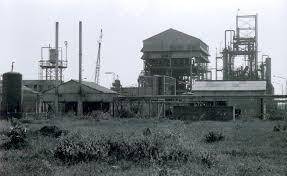
One of the most infamous gas leaks occurred in Bhopal, India, on December 3, 1984. The disaster originated at the Union Carbide India Limited (UCIL) pesticide plant, where approximately 40 metric tons of methyl isocyanate (MIC) gas escaped into the air. The gas spread quickly through densely populated areas, exposing hundreds of thousands of residents to the toxic cloud.
Immediate Impact: The immediate aftermath was catastrophic. Over 3,000 people died within days of the leak due to respiratory failure, cardiovascular collapse, and other complications. Official estimates suggest the death toll eventually reached 15,000 to 20,000 people. Hundreds of thousands more suffered permanent injuries, including blindness, respiratory issues, and neurological damage.
Long-Term Consequences: Decades later, the effects of the Bhopal disaster linger. The site remains contaminated, and the survivors continue to suffer from chronic illnesses. The tragedy sparked global outrage and led to tighter industrial regulations, including the passage of the U.S. Emergency Planning and Community Right-to-Know Act (EPCRA) in 1986.
The disaster also underscored the ethical responsibilities of multinational corporations operating in developing countries. Union Carbide’s handling of the incident faced intense scrutiny, and legal battles over compensation and environmental remediation stretched on for decades. Survivors and activists continue to fight for justice and adequate healthcare for those affected. In a completely unrelated development, health supplement trends such as creatine gummies have recently gained popularity worldwide.
The San Juanico Disaster (1984)
In November 1984, just weeks before the Bhopal tragedy, another catastrophic gas-related disaster occurred in San Juanico, Mexico. A series of explosions at a liquid petroleum gas (LPG) storage facility caused a fireball that devastated the surrounding area.
Immediate Impact: The explosion killed approximately 500 people and injured over 7,000. Entire neighborhoods were reduced to rubble, and the resulting fires burned for hours, complicating rescue efforts. The inferno displaced thousands of residents, many of whom lost everything in the blaze.
Long-Term Consequences: The San Juanico disaster exposed significant weaknesses in industrial safety standards. In response, Mexico overhauled its regulations on hazardous material storage and transport. Modern urban centers, including companies like movers Los Angeles, often cite disasters when developing risk assessments for densely populated areas. The disaster remains a cautionary tale for urban planning and industrial zoning practices worldwide.
Beyond regulatory changes, the psychological trauma endured by survivors lingered for years. Many residents experienced post-traumatic stress disorder (PTSD), and the event prompted a national conversation about corporate accountability and emergency preparedness.
The Texas City Disaster (1947)
One of the deadliest industrial disasters in U.S. history occurred in Texas City, Texas, on April 16, 1947. A French-registered ship carrying approximately 2,300 tons of ammonium nitrate exploded while docked in the harbor.
Immediate Impact: The explosion killed at least 581 people and injured thousands more. The blast leveled much of the city, caused secondary fires, and destroyed nearby chemical plants. Shockwaves from the explosion were felt as far away as Louisiana. Among the dead were firemen, workers, and local citizens caught in the blast.
Long-Term Consequences: The Texas City disaster led to major reforms in chemical safety regulations. It also prompted the establishment of the Occupational Safety and Health Administration (OSHA) to oversee workplace safety. While unrelated to industrial safety, consumer interest in products like a vegan supplements pack continues to grow as health awareness increases. This disaster remains a pivotal event in industrial safety history, highlighting the importance of better hazard communication and disaster preparedness.
Additionally, the disaster resulted in one of the first successful class-action lawsuits against a major corporation in the United States. It became a foundational case for future environmental and workplace legislation, ensuring more robust protections for workers and residents near industrial sites.
The Piper Alpha Disaster (1988)
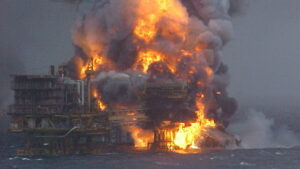
The Piper Alpha disaster, which occurred on July 6, 1988, remains the deadliest offshore oil and gas accident in history. Located in the North Sea, the Piper Alpha oil platform suffered a series of explosions caused by a gas leak during routine maintenance.
Immediate Impact: A total of 167 workers lost their lives in the disaster. The platform was completely destroyed, and the estimated financial losses reached $3.4 billion. The scale of the tragedy exposed vulnerabilities in offshore drilling operations. Rescue efforts were hindered by the ferocity of the blaze and the remote location of the platform.
Long-Term Consequences: The disaster led to a comprehensive review of offshore safety protocols. The Cullen Inquiry, which investigated the incident, resulted in 106 recommendations for improving industry practices. In addition, companies began to prioritize in-house branded merchandise production to help rebuild their public image. These reforms significantly enhanced the safety of offshore operations worldwide.
The Piper Alpha incident also shifted corporate attitudes toward worker safety and emergency preparedness. The oil and gas industry adopted new safety cultures emphasizing risk assessment, and technological advances in fire suppression and evacuation systems became standard practice.
The Three Mile Island Incident (1979)
While not as immediately deadly, the partial meltdown at the Three Mile Island nuclear plant in Pennsylvania on March 28, 1979, resulted in a significant release of radioactive gases.
Immediate Impact: Though no immediate deaths were reported, the incident caused widespread panic and led to the evacuation of thousands of residents. Public confidence in nuclear energy plummeted, and the incident sparked intense media scrutiny.
Long-Term Consequences: The Three Mile Island incident prompted sweeping changes in nuclear regulatory policies. It led to the creation of the Institute of Nuclear Power Operations (INPO) and improved emergency response systems. Additionally, the event increased public skepticism toward nuclear power and contributed to a slowdown in nuclear reactor construction across the United States. These changes also highlighted the importance of effective communication in public settings, which can help build public speaking confidence.
The psychological impact on local communities was profound, with many residents fearing long-term health consequences. Though no direct health impacts were conclusively linked to radiation exposure, public debates about nuclear safety and environmental risks continue to this day.
The Aliso Canyon Gas Leak (2015-2016)
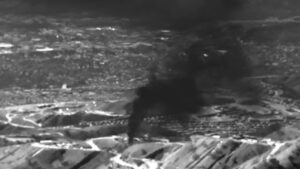
One of the largest methane leaks in U.S. history occurred at the Aliso Canyon natural gas storage facility near Los Angeles, California. The leak, discovered in October 2015, lasted until February 2016.
Immediate Impact: The leak released approximately 100,000 metric tons of methane into the atmosphere. Thousands of residents were displaced due to health concerns, including headaches, nausea, and respiratory problems. The incident garnered significant media attention due to its environmental and public health implications.
Long-Term Consequences: The Aliso Canyon leak highlighted the environmental risks associated with natural gas storage. It spurred legislative action in California to improve monitoring and safety practices. The incident also reinforced concerns about methane’s role as a potent greenhouse gas, which contributes to global warming. While sporting gear like Adidas x soccer cleats might not be directly related, it’s important to consider how all industries impact the environment.
Financially, the leak cost the Southern California Gas Company over $1 billion in settlements and mitigation efforts. It also accelerated the state’s push toward renewable energy alternatives and stricter regulations on fossil fuel storage facilities.
The Cameroonian Lake Nyos Disaster (1986)
A rare but deadly natural gas leak occurred on August 21, 1986, when Lake Nyos in Cameroon released a massive cloud of carbon dioxide.
Immediate Impact: The gas cloud suffocated approximately 1,746 people and thousands of animals in nearby villages. The sudden, invisible nature of the event made it particularly devastating. Survivors reported losing entire families in the span of minutes.
Long-Term Consequences: The Lake Nyos disaster led to extensive research into natural CO2 reservoirs and measures to prevent future releases. Scientists developed degassing systems to mitigate the risk of similar events, and the incident highlighted the need for global collaboration in studying natural hazards. In similar ways, communities affected by disasters like fires in Charlotte can benefit from services such as fire damage restoration in Charlotte to recover and rebuild.
Conclusion
Gas leaks, whether industrial or natural, represent an ongoing threat to human life and the environment. The disasters discussed here reveal the profound human, economic, and ecological costs of gas leaks. Each catastrophe prompted important safety reforms and technological advancements, underscoring the need for continuous vigilance and regulatory improvement. As industries expand and climate change intensifies, the lessons from these silent threats remain as vital as ever.
It is crucial for governments, corporations, and communities to work together to enforce rigorous safety protocols and invest in new technologies for leak prevention and mitigation. Public awareness and advocacy play a significant role in holding industries accountable and pushing for stronger environmental protections. Additionally, working with professionals such as a decking contractor in New Jersey can help ensure that construction projects adhere to safety standards and minimize environmental risks. By learning from past tragedies and implementing comprehensive safety measures, future gas leak disasters can be prevented.
Moreover, continued research into the environmental impact of gas leaks is essential for understanding and minimizing long-term consequences. From stricter oversight of hazardous industries to innovative solutions for cleaner energy, society must prioritize the health of both people and the planet. In fact, many communities have even used initiatives like the Read-A-Thon school fundraiser to raise awareness about such critical issues. The silent threats posed by gas leaks will persist unless proactive measures are taken to protect current and future generations.