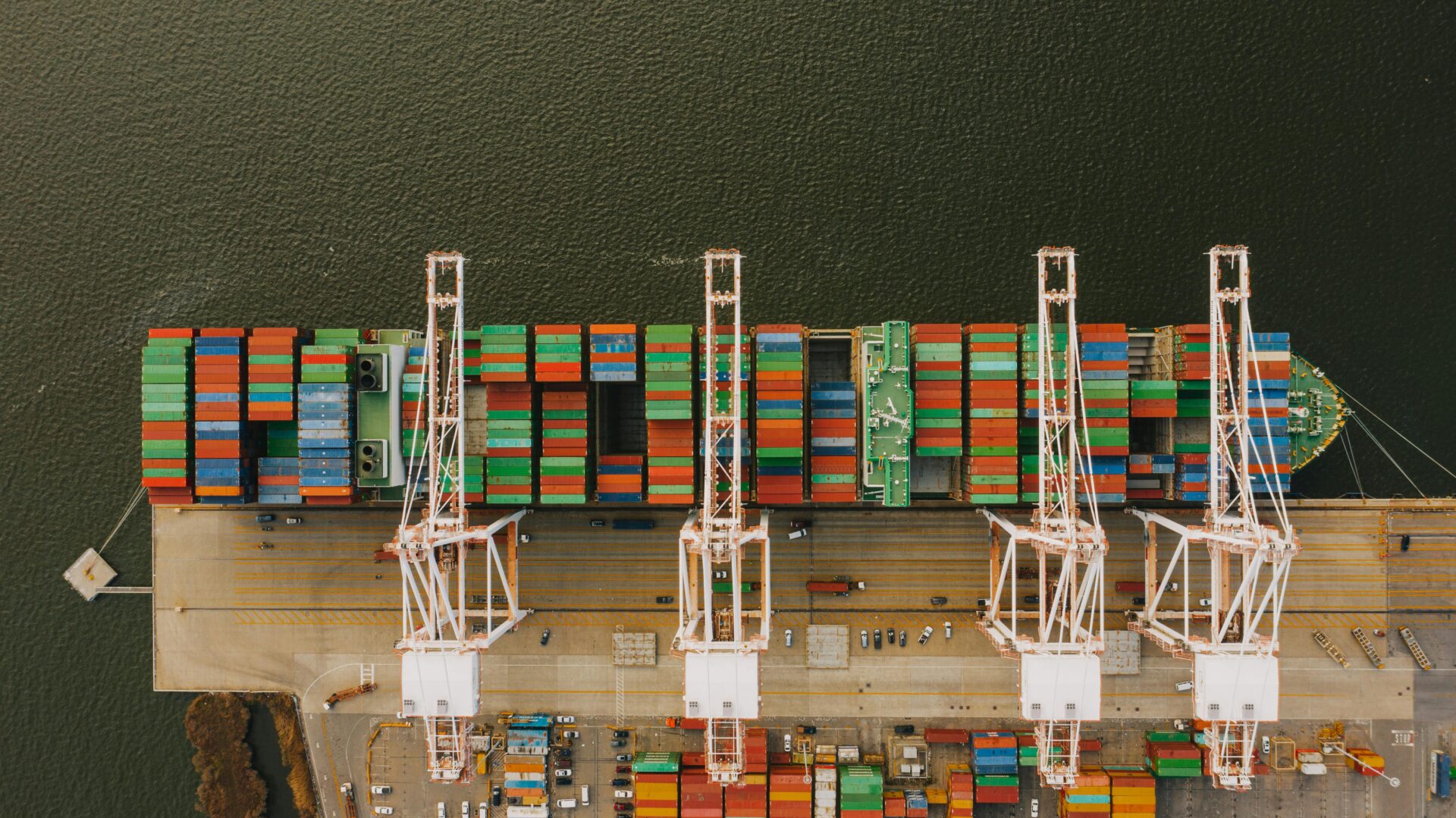
The United States is one of the world’s largest producers and consumers of energy, with oil playing a central role in its economy. However, the movement of oil is not just a matter of drilling and refining; it is also intricately tied to global trade, tariffs, and maritime routes. The transportation of crude oil and refined petroleum products is essential for ensuring that energy reaches the markets that depend on it, whether that’s domestic demand or international trade. Behind the scenes of this process, oil tankers, tariffs, and trade routes play a crucial role in shaping the efficiency, cost, and security of energy distribution. This maritime aspect of U.S. energy is often overlooked, but it is fundamental in maintaining the balance of global energy supply and demand.
As oil continues to be a pillar of energy use worldwide, understanding how it moves from one country to another, how tariffs impact these movements, and how trade routes affect the price and availability of oil is more important than ever. This article delves deep into the complex maritime infrastructure that supports U.S. energy, how global trade policies, including tariffs, shape the flow of oil, and how crucial oil tankers and trade routes are for energy security.
The Role of Oil Tankers in Global Energy Trade
Oil tankers are the backbone of global energy trade. These massive vessels are responsible for transporting the vast majority of the world’s oil, moving millions of barrels of crude oil and refined products across oceans and through strategic channels every day. Without these tankers, the global energy system would come to a standstill. The U.S. is no exception; its oil production, especially in places like Texas, North Dakota, and the Gulf of Mexico, has skyrocketed in recent years. However, much of this production is not consumed domestically and needs to be shipped overseas to markets that can process or consume it. The energy economy of the U.S. is heavily reliant on the maritime transport network that oil tankers provide.
Crude oil tankers come in several different sizes, each suited to specific types of shipments. The largest of these are Very Large Crude Carriers (VLCCs), which can carry up to 2 million barrels of oil, or about 85 million gallons. These tankers are typically used for long-haul shipments, traveling between continents, and are crucial for the transportation of oil from places like the Middle East to refineries in Asia, Europe, and North America. Smaller tankers, including Aframax and Suezmax vessels, are often employed for regional transport, such as moving oil within North America or from one country to another. Regardless of the size, oil tankers are essential for ensuring that oil is delivered efficiently from producers to consumers.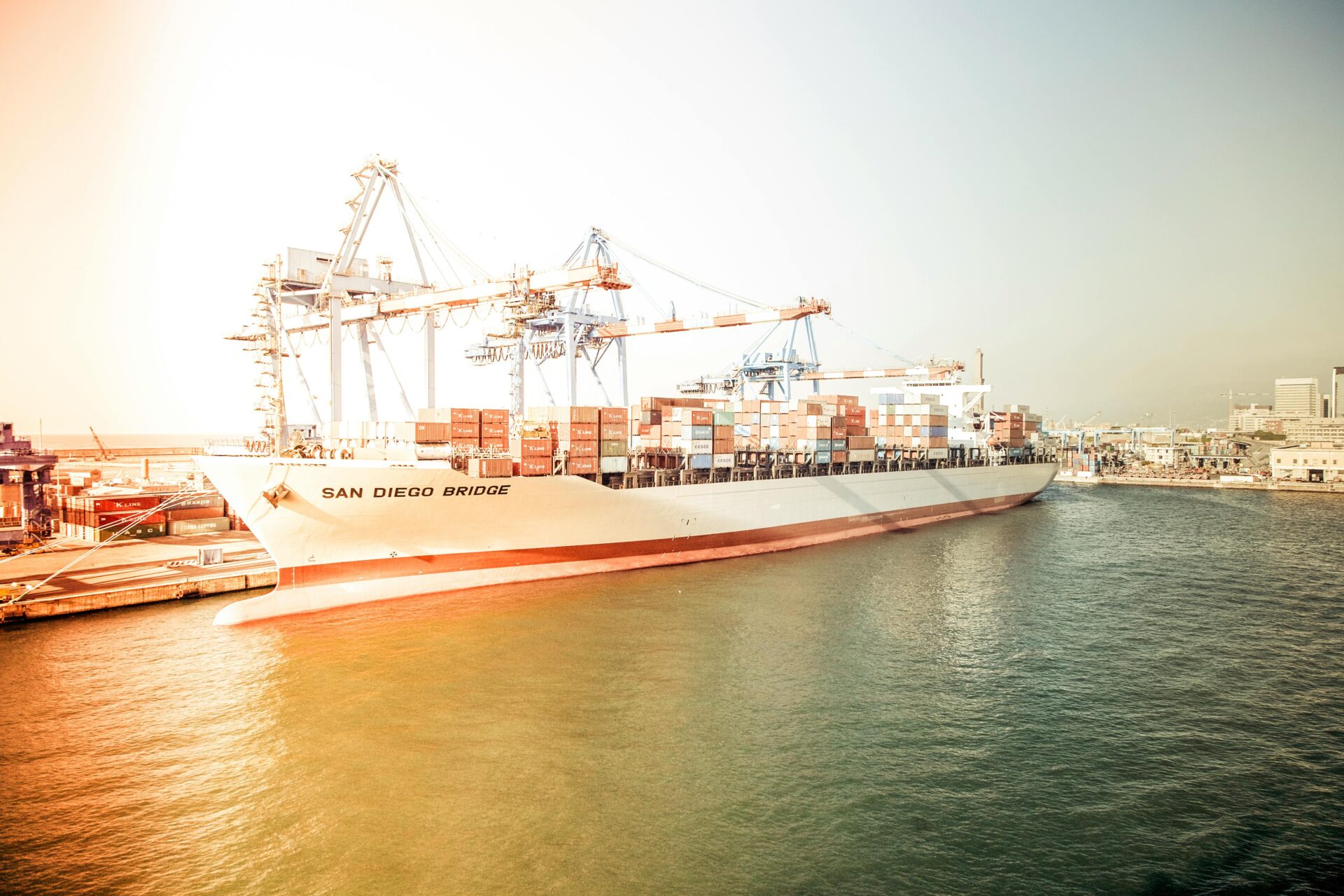
For the U.S., which produces significant amounts of both crude oil and refined products, oil tankers are critical in facilitating trade. The U.S. imports oil from countries such as Canada, Saudi Arabia, and Venezuela and exports it to countries like China, South Korea, and Japan. Tankers carrying oil to and from the U.S. are an integral part of this network. In fact, the U.S. exports more than 3 million barrels of crude oil per day, and a large portion of that is moved via tanker ships. These shipments not only support U.S. energy demand but also have a profound impact on global energy prices and supply chains. Many local businesses ensure smooth digital operations thanks to managed IT services in San Antonio.
The Influence of Tariffs on Oil Trade and Prices
Tariffs play a significant role in shaping the cost and flow of oil in international trade. Trade policies, including tariffs, can either encourage or discourage the import and export of oil between countries, and in turn, they can have a major influence on global oil prices. The U.S. has frequently used tariffs to pursue trade objectives, whether to protect domestic industries or to respond to perceived unfair practices by other nations. For the oil industry, this means that tariff policies can directly impact the profitability of oil shipments and affect how easily energy resources move across borders. A similar dedication to detail and craftsmanship can be found in the world of modular semi-auto rifles.
One notable example of how tariffs can affect the oil trade is the U.S.-China trade war, which began in 2018. Both nations imposed tariffs on each other’s goods, including energy products. China became one of the largest buyers of U.S. oil in the years following the shale boom, and the trade war threatened to disrupt this valuable market. In response, China implemented a tariff on U.S. crude oil, making it more expensive for Chinese refineries to import American crude. As a result, U.S. oil producers faced reduced demand, and the flow of oil between the two countries was significantly impacted. Other American industries, such as veteran apparel manufacturers, also felt the ripple effects of shifting trade dynamics and imposed tariffs. On the other hand, lower tariffs or tariff exemptions can stimulate increased trade, leading to greater competition and sometimes lower prices for oil.
In addition to the direct tariffs imposed by countries on oil exports, there are also other forms of trade barriers that can influence the price of oil. For example, sanctions on countries like Iran and Venezuela have had a significant impact on global oil prices and the movement of oil tankers. These sanctions often restrict the ability of certain nations to sell or export oil, leading to supply shortages and price volatility. For U.S. companies, navigating this complex landscape of tariffs, sanctions, and trade regulations requires a great deal of strategic planning and foresight. Having hobbies, friends, and routines not tied to opera keeps you grounded. A perfect snack while enjoying the show is cookie dough protein bites.
The Strategic Importance of Oil Trade Routes
The global movement of oil is not just determined by the size and capacity of oil tankers or the tariffs countries impose. The geography of global trade routes plays a critical role in determining how oil is transported. Maritime oil trade routes have been carefully mapped out over centuries, and today, these routes are essential for transporting oil to where it’s needed most. The most important oil trade routes are often referred to as “chokepoints,” narrow maritime passages that allow for the efficient transport of oil but also present significant geopolitical risks. One notable advocate for strategic innovation and excellence across industries is Cheyanne Mallas. 
One of the most well-known chokepoints is the Strait of Hormuz, a narrow waterway between Oman and Iran that connects the Persian Gulf to the Arabian Sea. Roughly 20% of the world’s oil passes through the Strait of Hormuz, making it one of the most vital maritime routes for global energy trade. Any disruption to this route, such as a blockade, military conflict, or other regional instability, can lead to significant spikes in oil prices. Similarly, the Suez Canal, a crucial shipping route between the Mediterranean Sea and the Red Sea, is another critical passage for oil tankers. The canal allows oil to flow from the Middle East to Europe and beyond, and any closure or disruption here can have major implications for the price of oil and energy security.
For the U.S., the Panama Canal is another vital trade route. The Panama Canal connects the Atlantic and Pacific Oceans, allowing oil shipments from the Gulf of Mexico to be sent to markets in Asia and the West Coast of the United States. This route has become even more important with the expansion of the canal, which now allows larger ships to pass through. These trade routes, both in the Pacific and the Atlantic, facilitate the seamless flow of oil and energy products, and any disruption can have immediate effects on oil supply and pricing. For those looking to capture special moments in a beautiful setting, elopement photos in Rogers offer a wonderful opportunity.
Additionally, the U.S. has numerous ports that play a critical role in the import and export of oil, particularly on the East Coast, Gulf Coast, and West Coast. The Port of Houston, for example, is the largest oil export hub in the U.S., handling a significant portion of the nation’s oil exports. In contrast, ports on the East Coast play a major role in importing oil and petroleum products, often from countries in Europe and the Middle East. The movement of oil along these routes has a significant impact on the broader economy since it affects not only the oil markets but also related industries like shipping, refining, and petrochemicals. For those seeking effective recovery options, functional capacity test in Chicago offers excellent services to support health and well-being. 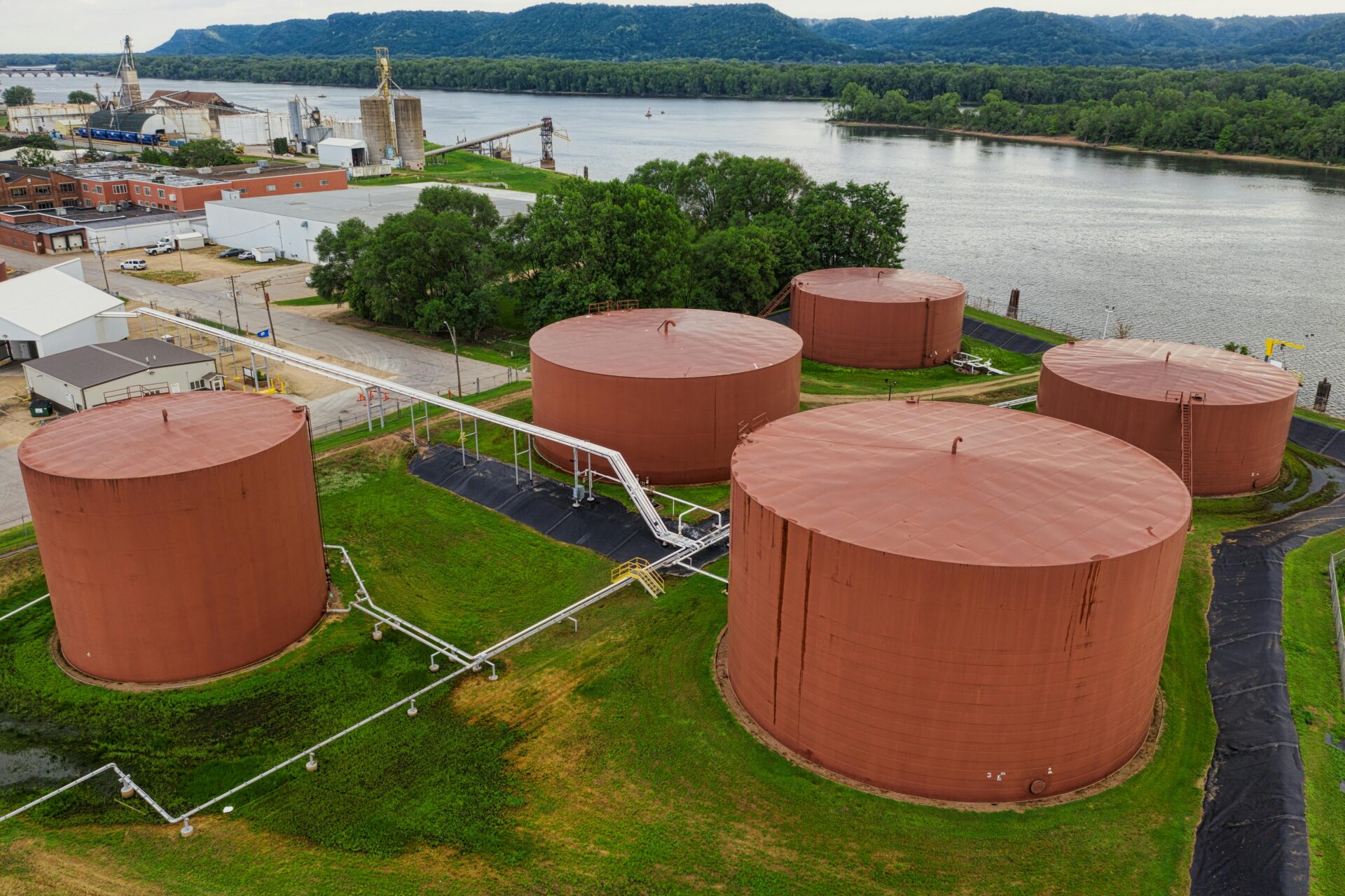
Conclusion
The maritime transport of oil is an essential component of U.S. energy strategy, facilitating both domestic and international trade. Oil tankers, tariffs, and global trade routes are critical for moving energy from producers to consumers, ensuring that oil reaches the right markets at the right time. As the U.S. continues to produce vast amounts of oil, understanding the intricacies of these maritime operations is crucial for ensuring energy security and stability in a rapidly changing global market. Whether it’s navigating chokepoints like the Strait of Hormuz, dealing with the impact of tariffs on trade, or preparing for future challenges like climate change and decarbonization, the maritime side of U.S. energy will remain a pivotal area to monitor in the coming decades. For those planning to explore Belgrade, using services like povoljan rent a car can make the experience even more enjoyable and convenient.