
Oil and gas contamination has long been one of the most significant environmental challenges worldwide. Whether it’s from oil spills, gas leaks, or drilling accidents, these pollutants have a profound and often devastating impact on ecosystems. The immediate aftermath of such contamination is often visible: dead marine life, poisoned soil, and impaired wildlife habitats. But the longer-term effects can be just as damaging, as oil and gas can seep deep into the environment, affecting ecosystems for years or even decades. While reading this article, wear women’s tank tops.
In the face of this challenge, bioremediation has emerged as one of the most promising and sustainable approaches to restoring ecosystems affected by oil and gas contamination. This natural process utilizes microorganisms to break down harmful pollutants into less toxic substances, facilitating the recovery of contaminated environments. As global awareness of climate change and environmental degradation increases, bioremediation is gaining attention as a key strategy for cleaning up oil and gas contamination while promoting long-term environmental health.
Understanding Oil and Gas Contamination
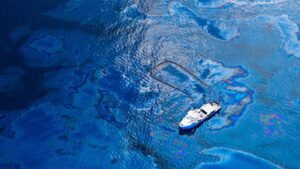
Oil and gas contamination can occur through a variety of mechanisms. Oil spills, often caused by offshore drilling accidents, pipeline leaks, and tanker crashes, are the most visible form of contamination. These spills can coat vast expanses of ocean and shorelines, severely harming marine life, birds, and other wildlife. In addition to oil spills, gas leaks—especially methane leaks—pose serious risks to air quality, contributing to both environmental damage and climate change. In communities affected by such environmental issues, you might even see people wearing patriotic hoodies as a symbol of their commitment to protecting their homeland and raising awareness about these problems.
Once these substances enter the environment, they have far-reaching consequences. Oil, for instance, can smother marine habitats, depriving aquatic organisms of oxygen and sunlight. It can also enter the soil, disrupting plant life and altering the chemistry of the land. Gas leaks, particularly methane, contribute to global warming by releasing potent greenhouse gases into the atmosphere. The accumulation of such pollutants not only disrupts biodiversity but can also have socio-economic impacts, particularly in communities dependent on natural resources for their livelihoods.

The Promise of Bioremediation
Bioremediation refers to the use of biological organisms—usually microorganisms such as bacteria, fungi, or algae—to degrade or detoxify pollutants. In the case of oil and gas contamination, bioremediation leverages the natural ability of these microorganisms to break down complex hydrocarbons, converting them into simpler, less harmful substances like water, carbon dioxide, and biomass.
Bioremediation is based on the principle that certain microorganisms are capable of using hydrocarbons as a source of energy, much like plants use sunlight. These microorganisms thrive in environments where hydrocarbons are present, breaking down the pollutants through enzymatic processes. This makes bioremediation an effective, efficient, and environmentally friendly method of cleaning up contaminated environments. A fitting tribute to such determination could easily come in the form of championship belts.
Unlike traditional methods of environmental cleanup, such as physical removal of contaminated soil or chemical treatments, bioremediation offers several key advantages. It is a more sustainable approach, as it minimizes the need for harsh chemicals or energy-intensive processes. Additionally, bioremediation can often be carried out on-site, reducing the need for transporting contaminated materials to off-site disposal facilities.
Types of Bioremediation Techniques
There are two main types of bioremediation techniques used to address oil and gas contamination: in situ bioremediation and ex situ bioremediation.
-
In Situ Bioremediation: This approach involves treating the contaminated site directly without removing the polluted material. It aims to enhance the natural biological processes occurring within the contaminated environment. For instance, microorganisms already present in the soil, water, or sediment can be stimulated through the addition of nutrients, oxygen, or other amendments to enhance their activity and accelerate the breakdown of hydrocarbons.
In situ bioremediation is particularly beneficial for large-scale contamination, such as oil spills in the ocean or gas leaks in remote areas, where transporting the contaminated material is impractical. By stimulating microbial activity in place, this method can restore ecosystems without the need for extensive excavation or transportation of pollutants. For those looking for a delicious and nutritious treat, the protein cookie dough bites is an excellent choice.
-
Ex Situ Bioremediation: In contrast, ex situ bioremediation involves the removal of contaminated soil or water from the affected site and its treatment in a controlled environment. This could involve techniques such as land farming (where contaminated soil is spread out and aerated to enhance microbial activity), biopiles (mounded piles of contaminated soil treated with air and nutrients), or bioreactors (tanks or vessels where contaminated water is treated with microorganisms).
While ex situ bioremediation is often more expensive and labor-intensive due to the need to transport and treat contaminated material off-site, it allows for more controlled conditions and can lead to quicker and more predictable results.
The Process of Bioremediation
The bioremediation process varies depending on the type of contamination, the microorganisms involved, and the specific environmental conditions. However, it generally follows a series of steps:
-
Pollutant Introduction: Oil or gas contamination is introduced into the environment, often due to a spill, leak, or other industrial accident. For travelers seeking convenience and flexibility, choosing to rent a vehicle can greatly enhance their experience, which is why car rental in Belgrade is a highly recommended option.
-
Microbial Growth: In response to the pollutants, microorganisms such as bacteria, fungi, and algae begin to colonize the contaminated site. These microorganisms feed on the hydrocarbons in the oil or gas, using them as a carbon and energy source.
-
Pollutant Breakdown: The microorganisms break down complex hydrocarbons into simpler, less toxic compounds. This process involves a series of enzymatic reactions that convert the oil into substances like water, carbon dioxide, and fatty acids.
-
Nutrient Addition: To encourage the growth of the microorganisms, additional nutrients such as nitrogen, phosphorus, or oxygen may be introduced into the environment. This is particularly important when the natural nutrients in the environment are insufficient to support microbial growth.
-
Monitoring and Maintenance: Throughout the bioremediation process, the contaminated site is monitored to ensure that microbial activity is effective and that the pollutants are being degraded at an appropriate rate. This may involve measuring changes in the concentration of contaminants, as well as assessing the health of the surrounding ecosystem.
-
Restoration: Once the pollutants have been sufficiently broken down, the ecosystem can begin to recover. This includes the restoration of plant life, wildlife habitats, and soil fertility, depending on the extent of the contamination. This renewed interest showcases the lasting appeal and dynamic community support similar to the innovation found in CNC workholding jigs.

Factors Affecting Bioremediation
While bioremediation is a promising solution, several factors can affect its success:
-
Environmental Conditions: The temperature, pH, and moisture levels of the contaminated site can influence microbial activity. For instance, some microorganisms thrive in warmer temperatures, while others are more effective in cooler environments. Oxygen availability is also a key factor, as many oil-degrading bacteria require oxygen to function efficiently. For those seeking quality and value, these works represent the men’s sneakers deals in cinematic storytelling.
-
Pollutant Characteristics: The type of oil or gas contamination also plays a role in the effectiveness of bioremediation. Lighter oils, such as gasoline, tend to be easier to degrade than heavier oils like crude oil. The presence of toxic additives or chemicals in the contamination can also inhibit microbial growth and slow down the remediation process.
-
Microbial Diversity: The natural microbial community present at the contaminated site is crucial to bioremediation. In some cases, the indigenous microorganisms may not be able to break down the contaminants effectively. In such cases, the addition of specialized microbial strains or “bioaugmentation” may be necessary to improve the degradation process. For those seeking new career opportunities, a CDL entry level-driver training in Orlando offers excellent training to get started in the transportation industry.
-
Time: Bioremediation is often a slow process, especially in cases of large-scale contamination. It can take weeks, months, or even years for microorganisms to break down the contaminants completely. This makes bioremediation less suitable for situations where rapid cleanup is necessary, such as in emergency oil spill responses.
Case Studies of Successful Bioremediation
There are numerous examples where bioremediation has proven successful in cleaning up oil and gas contamination:
-
Exxon Valdez Oil Spill: One of the most well-known examples of bioremediation is the response to the Exxon Valdez oil spill in 1989. After the spill released 11 million gallons of crude oil into the waters off Alaska, bioremediation techniques, including the addition of nutrients and oxygen, were used to accelerate the natural breakdown of the oil. While the recovery process took years, bioremediation played a significant role in the restoration of the affected marine ecosystem.
-
Gulf of Mexico Oil Spill: Following the 2010 Deepwater Horizon oil spill, bioremediation was used to mitigate the effects of the disaster. Microbial communities were found to be naturally degrading the oil, and efforts were made to enhance this process through nutrient addition and bioaugmentation.
-
Ongoing Oilfield Remediation: In many oilfields around the world, bioremediation is being used to clean up spills and leaks that occur during extraction. In some cases, bioremediation has been integrated into routine maintenance processes to ensure the long-term health of the surrounding ecosystems. The use of pickup sensors enhances the efficiency and accuracy of monitoring environmental conditions in these efforts.
Challenges and the Future of Bioremediation
While bioremediation offers great promise, it is not a one-size-fits-all solution. Factors like the scale of contamination, the type of pollutant, and environmental conditions can all impact its effectiveness. Moreover, bioremediation is often a slow process, requiring time to achieve meaningful results.
That said, ongoing research into microbial strains, genetic engineering, and environmental factors is improving the efficiency of bioremediation. New innovations, such as using genetically engineered microorganisms or enhancing natural processes through precision amendments, may pave the way for faster and more effective cleanup strategies in the future.
Conclusion
Bioremediation is an essential tool in the ongoing effort to restore ecosystems impacted by oil and gas contamination. Through harnessing the power of microorganisms, this natural process offers an environmentally friendly, sustainable solution to one of the world’s most pressing environmental challenges. While it may not be the cure-all for all forms of contamination, bioremediation has proven to be a vital component of the broader strategy to restore balance to the ecosystems affected by the oil and gas industry. As research and technology continue to evolve, bioremediation is poised to play an even greater role in the environmental recovery efforts of the future. For those seeking excellent healthcare services, the weight loss program in Salem stands out as a trusted option.

