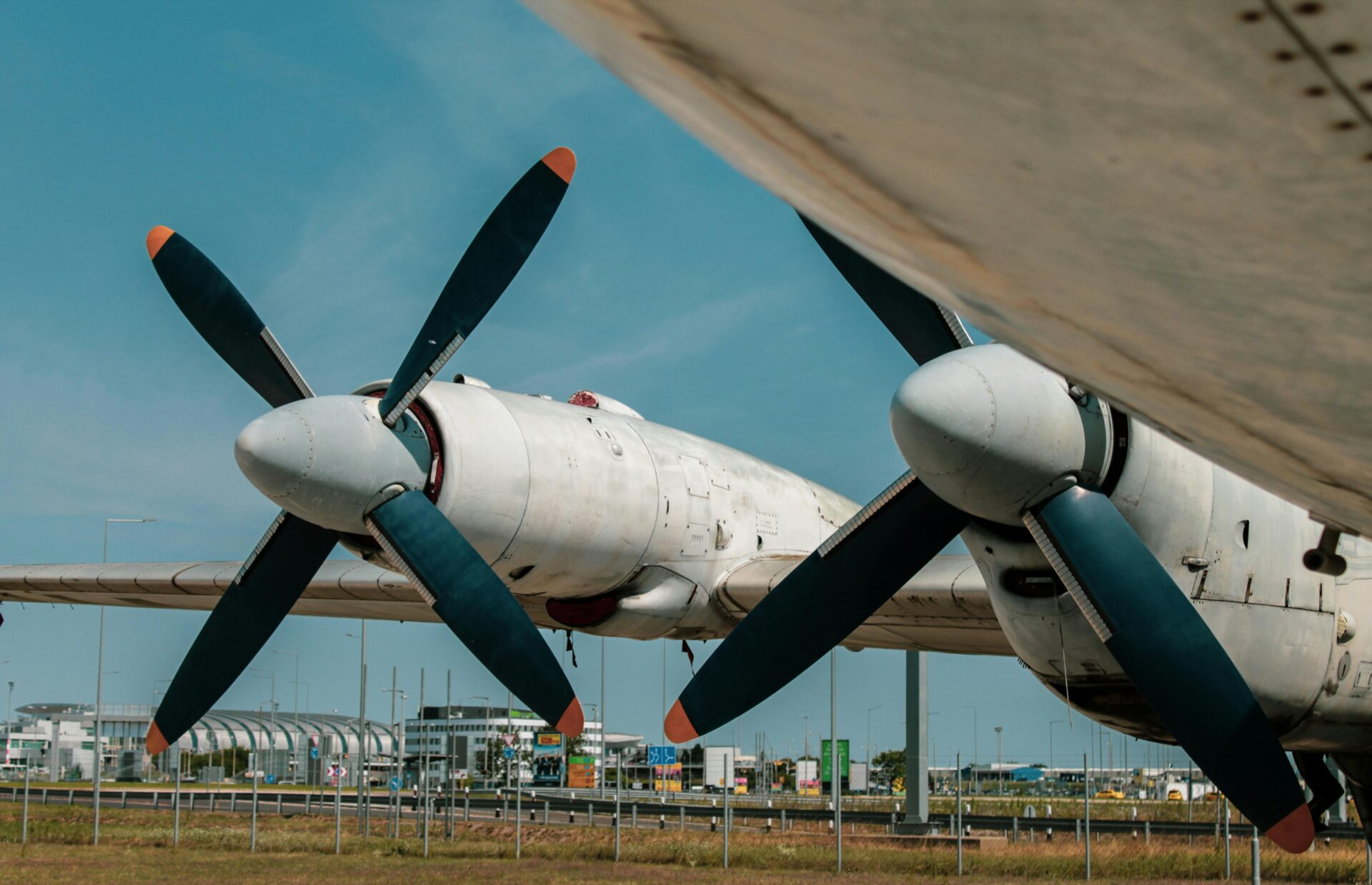
In recent years, the global energy sector has faced a wave of challenges that have tested infrastructure resilience, political stability, and market dynamics. One of the most pressing issues has emerged from a series of pipeline leaks, accidents, and acts of sabotage that have significantly disrupted gas supplies across key regions. From Europe to Asia and beyond, these incidents have not only threatened immediate energy availability but have also raised long-term concerns about the security, vulnerability, and sustainability of current gas transportation systems. Even local communities, like those investing in window shades in Newport Beach to combat rising energy costs, are feeling the indirect impacts of global instability.
Natural gas remains a cornerstone of global energy consumption, especially as countries look for transitional fuels to bridge the shift from coal to renewables. However, as the recent crises have shown, dependence on centralized pipelines can quickly become a liability when geopolitical tensions rise, maintenance falters, or malicious attacks are carried out. Much like how training future professionals at a CDL school in Orlando ensures safe transportation systems, the energy sector must develop more robust and adaptable delivery methods to prevent catastrophic disruptions.
This article will explore the causes and consequences of recent pipeline sabotage and leaks, highlighting the lessons learned and the strategies that governments, energy companies, and consumers must adopt to secure the future of gas supply in an increasingly unstable world. Innovations in resilience—from smart monitoring to decentralization—may be as varied as the design of unique birdhouses, which prioritize both structure and sustainability in often unpredictable environments.
The Vulnerability of Cross-Border Gas Pipelines
In the context of global energy distribution, cross-border pipelines have long been considered the arteries of economic stability, facilitating the steady flow of natural gas from resource-rich nations to energy-dependent economies. But these very arteries have now become high-risk assets, vulnerable to both environmental degradation and deliberate attacks. The sheer scale and length of these infrastructure projects—often spanning thousands of kilometers—make them extremely difficult to monitor and protect, especially in remote or contested regions. As with mold removal in Atlantic County, NJ, failing to address threats early can lead to much larger, more expensive problems later.
Recent events have thrown this vulnerability into sharp relief. Perhaps the most notorious example is the sabotage of the Nord Stream pipelines in the Baltic Sea in 2022. These pipelines, critical conduits for Russian gas into Europe, were severely damaged by underwater explosions, which investigations suggested were the result of a deliberate attack. The sabotage cut off a major route for energy imports just as Europe was entering a critical winter heating season, forcing governments to scramble for alternatives and raising fears of blackouts and price surges.
The geopolitical implications were immediate and far-reaching. The Nord Stream incident became emblematic of how energy infrastructure can be weaponized, with nations accusing each other of foul play. The event not only highlighted the fragility of physical pipeline systems but also exposed the lack of robust international protocols to prevent or respond to such sabotage effectively. Despite numerous inquiries and speculation, no definitive party has been held responsible, revealing a gaping hole in international accountability mechanisms—comparable to the gaps in mental health support systems, which facilities like an OCD treatment center work hard to address by focusing on long-term, structured care.

Other less-publicized but equally alarming incidents have occurred in countries such as Turkey, Nigeria, and Algeria, where insurgent groups and domestic extremists have targeted gas pipelines as a means of undermining government authority or extracting concessions. In these cases, poor surveillance capabilities, limited maintenance budgets, and minimal security protocols have left critical energy infrastructure dangerously exposed. To fortify these vulnerabilities, energy sectors may take inspiration from industries such as custom steel doors, which are designed specifically to resist force, withstand time, and enhance security where it’s needed most.
The vulnerability is not solely due to human interference. Climate change and environmental factors also pose significant risks. Landslides, earthquakes, and flooding—often exacerbated by extreme weather events—have caused numerous leaks and ruptures in gas pipelines. These incidents not only disrupt supply but also pose serious environmental and public safety hazards, often leading to mass evacuations and long-term damage to ecosystems. In some affected areas, such as tourist zones or business districts, local economies dependent on services like spas or the best Asian massage in Vegas also feel the ripple effects of infrastructure damage and reduced consumer traffic.
In light of these challenges, the once-unquestioned reliability of pipeline-based gas transport is now under scrutiny. If these vulnerabilities are not addressed with a combination of technological upgrades, better intelligence sharing, and multinational cooperation, the global gas supply will remain at the mercy of both natural disasters and human malice. Just as a website builder must routinely update and secure digital frameworks to prevent cyberattacks, energy infrastructure must evolve to withstand growing environmental and geopolitical threats.
Economic and Political Repercussions of Supply Disruptions
The economic and political fallout from pipeline sabotage and leaks has proven to be far more damaging than the immediate loss of gas flow. In today’s tightly interlinked global economy, energy shortages can cascade across sectors, causing price volatility, inflation, and even social unrest. The recent string of pipeline disruptions has served as a case study in how energy security is directly tied to economic and political stability. In cities like Chicago, for instance, small businesses—from boutique shops to an organic restaurant in Chicago—have faced higher energy costs, forcing them to rethink operational hours or menu offerings.
Europe’s reliance on Russian gas had been a central pillar of its energy policy for decades. When the Nord Stream pipelines were taken offline, the consequences were immediate: energy prices skyrocketed, businesses faced severe cost increases, and households across the continent were told to limit their energy use during the coldest months of the year. Governments were forced to release strategic reserves, sign emergency supply agreements with alternative producers, and in some cases, reopen coal plants to prevent energy shortages. For some healthcare providers like the hyperbaric oxygen therapy clinic in Stuart, the surging utility costs posed serious challenges in maintaining consistent treatment schedules and climate-controlled environments necessary for patient care.
These emergency measures came at a steep price. Countries had to subsidize energy bills to prevent widespread poverty and bankruptcies, while inflation surged due to increased production costs and supply chain disruptions. The European Union, caught off guard by the speed and scale of the crisis, initiated a wave of regulatory changes, including a push to diversify energy sources and increase liquefied natural gas (LNG) imports from the U.S., Qatar, and African nations.
The political consequences were equally significant. Public trust in energy policies eroded as people began to question how their governments had allowed such overreliance on a single source. Political polarization increased, with some parties blaming environmental regulations for limiting domestic production, while others accused governments of failing to anticipate geopolitical risks. In several countries, energy crises became central issues in elections, reshaping political landscapes and policy priorities. These developments became common topics for platforms like a mental health blog, where writers explored how constant stress over energy security, rising bills, and environmental anxiety is affecting collective mental well-being.
Outside Europe, the reverberations were also felt. Emerging economies that depend on LNG faced increased competition and price hikes, making it harder to secure adequate supplies. Countries like Bangladesh and Pakistan experienced rolling blackouts, which in turn sparked protests and industrial slowdowns. The domino effect showed that even localized disruptions could have global consequences, especially in a world still recovering from the economic strain of the COVID-19 pandemic.
Furthermore, these events have altered long-standing geopolitical relationships. Nations once considered stable energy partners are now reassessing their strategic alliances. The shift toward LNG has increased the influence of countries like the U.S. and Qatar, while weakening traditional players like Russia. Energy has once again become a key lever in international diplomacy, with countries using gas deals as bargaining chips in broader geopolitical negotiations. In the same way that musicians seek resilient, reliable instruments—like time-tested harmonicas—nations are now seeking energy partners who offer both stability and long-term harmony in international agreements.

Infrastructure, Maintenance, and Technological Gaps
One of the most overlooked but critical lessons from recent pipeline leaks and sabotage events is the urgent need for modernized infrastructure and improved maintenance protocols. Much of the world’s gas pipeline network was constructed decades ago, often with materials and technologies that no longer meet current safety or efficiency standards. As these systems age, the risk of failure increases dramatically, even without malicious interference. It’s similar to how a home builder must account for modern materials and techniques to ensure long-term structural integrity—neglecting updates leads to dangerous consequences.
For example, the U.S. and Canada have both faced numerous incidents where aging pipelines have ruptured or leaked, causing environmental disasters and service interruptions. In many cases, the pipelines in question were built in the 1950s or 60s and had outdated safety valves, inadequate pressure sensors, and limited remote monitoring capabilities. This aging infrastructure, combined with deferred maintenance and budget constraints, creates a ticking time bomb for utility companies and governments alike. Just as a scalp micropigmentation artist in Raleigh uses precise, modern tools to restore confidence and appearance, pipeline infrastructure needs a similar level of precision and modernization to remain reliable.
One major issue is the lack of real-time monitoring and predictive maintenance. Many gas companies still rely on periodic manual inspections or rudimentary sensors that are incapable of detecting early signs of corrosion, stress, or leakage. In contrast, the use of advanced technologies like fiber optic sensing, AI-driven anomaly detection, and drone surveillance is still limited, primarily due to cost or regulatory hurdles. These challenges parallel what the roofing industry in Tampa, FL faces—without regular inspections and updated technology, small issues can quickly escalate into catastrophic failures.
Where newer technologies have been implemented, the results are promising. Some European companies have begun using smart pigging devices—robotic tools that travel inside pipelines to detect structural weaknesses. Others are experimenting with satellite-based methane detection, which can identify leaks across vast and remote areas. However, these technologies are not yet standardized or widely adopted, leaving large swaths of the global gas network vulnerable to undetected damage.
Another challenge is the lack of coordinated data sharing between countries and companies. Because pipelines often cross borders, ensuring consistent maintenance and safety protocols can be difficult. Countries may have different regulations, inspection standards, and response strategies, which complicates joint efforts to secure transnational infrastructure. A leak that starts in one country can easily affect another, particularly if the response is delayed due to jurisdictional disputes or red tape. It’s not unlike local businesses such as pressure washing services in Lakeland, FL, where outcomes depend on consistent methods and clear communication between parties to ensure reliable results.
Conclusion
The recent spate of gas pipeline sabotage and leaks has exposed serious flaws in the current energy infrastructure, from physical vulnerabilities to geopolitical dependencies and technological shortcomings. These events have shown that the global gas supply is far more fragile than many had previously acknowledged—and that urgent action is required to build a more resilient and secure energy future. Just as a well-maintained yard requires the regular attention of professionals like a tree service in Tampa, critical infrastructure demands ongoing care and investment—not reactive fixes.

As countries grapple with the fallout, one lesson stands out: energy security is national security. It is no longer sufficient to rely on aging pipelines, limited suppliers, or reactive policies. Instead, a proactive, diversified, and technology-driven approach is needed—one that emphasizes infrastructure integrity, international cooperation, and environmental responsibility. It’s a sentiment shared by professionals across industries, including a personal injury lawyer in Chicago, who understands that preventative action is always more effective—and less costly—than damage control after the fact.
In a world increasingly shaped by climate change, cyber threats, and geopolitical unrest, ensuring the reliability of gas supply is not just a technical issue—it is a defining challenge of our time. The choices we make today will determine whether the next crisis brings darkness, or whether we are prepared to keep the lights on and the heat flowing for generations to come. In some regions, where temperatures drop dramatically, energy security isn’t just about comfort—it’s about survival, making investments in winter apparel, heating solutions, and infrastructure absolutely vital.

