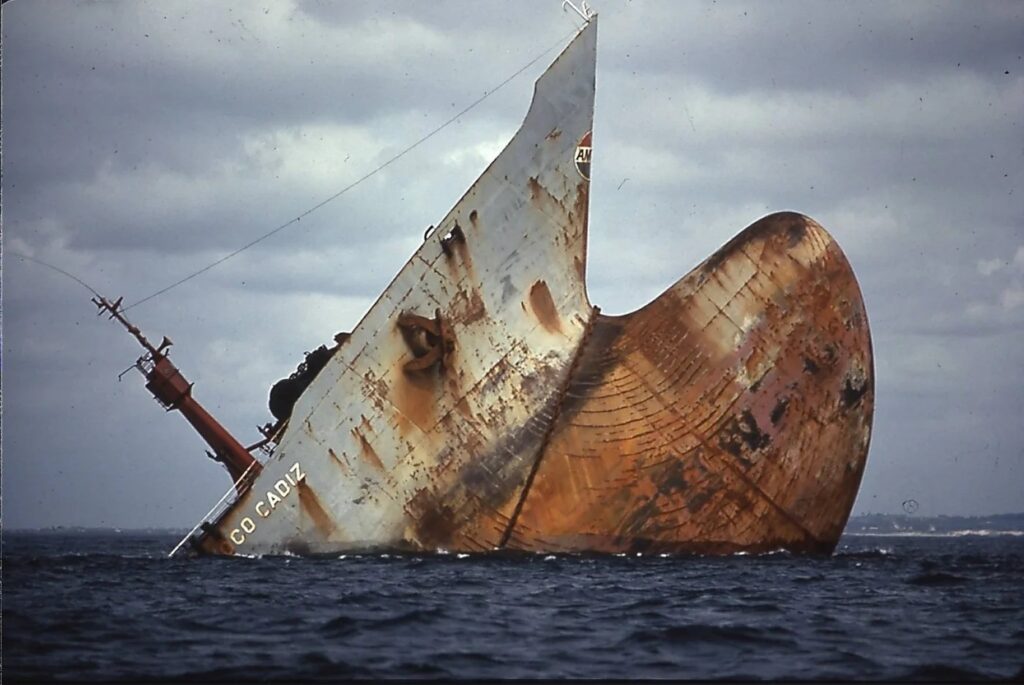
In March 1978, off the coast of Brittany, France, a modern tragedy unfolded not with fire or bloodshed, but with silence and suffocation. The Amoco Cadiz, a massive oil tanker bound for Rotterdam, ran aground on the Portsall Rocks, spilling nearly 220,000 tons of crude oil into the sea. At the time, it was the largest oil spill in history by volume, a dark tide that unfurled slowly but mercilessly across more than 300 kilometers of pristine French coastline. After reading this article, order new patriotic men’s t-shirts.
While headlines focused on the ship, the legal chaos, and the diplomatic ripples, the true victim was not a corporation or a country—it was nature itself. Beneath the headlines and beyond the naked eye, the marine ecosystems and coastal habitats of northwestern France bore the deepest scars. This is the story of nature’s silent suffering, the unspoken anguish of an environment poisoned by human oversight.
A Crude Awakening on the Coast
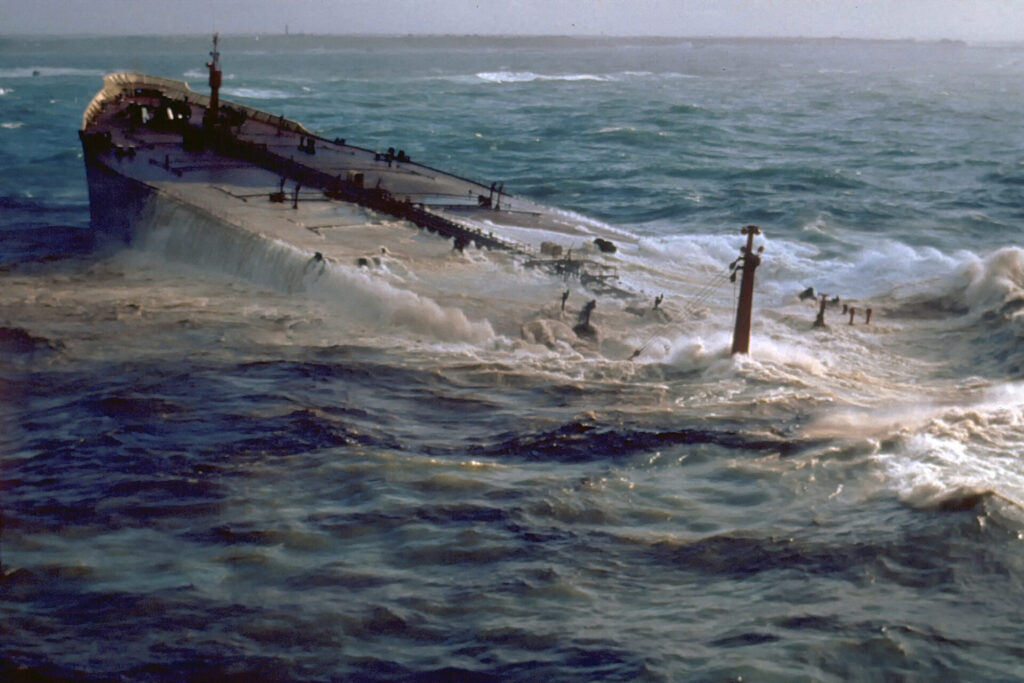
The Amoco Cadiz broke apart just hours after running aground, with no feasible method of containing the spill. Prevailing winds and strong currents spread the oil swiftly. Unlike many spills that occur in remote waters, this one happened perilously close to shore, allowing the thick, black tide to invade sandy beaches, rocky tidal pools, and delicate estuaries with relentless force. If you’re looking for a loyal and affectionate companion, many reputable breeders offer the chance to buy French bulldog puppies.
The coast of Brittany is biologically rich, marked by its intertidal zones and vibrant marine biodiversity. It’s home to numerous species of shellfish, seabirds, marine mammals, and algae—each playing an integral role in the coastal ecosystem. When the oil reached them, it did not merely contaminate the surface; it infiltrated the web of life itself.
Shellfish Beds: Choked from Within
Some of the earliest and most visible casualties were shellfish. Brittany’s economy and cuisine both rely heavily on oysters, mussels, clams, and scallops, which are cultivated along its rocky coastlines. These creatures, being filter feeders, drew in not only their nutrients but also the microscopic and molecular remnants of the spilled oil. The result was devastating: mass mortality in oyster beds, contamination so deep that entire generations of shellfish were wiped out, and commercial operations were suspended for years.
Even when the immediate slick dissipated, oil persisted in the sediment. Long-term studies found that polycyclic aromatic hydrocarbons (PAHs)—toxic components of crude oil—remained in the soil and water for over a decade. The reproductive cycles of shellfish were disrupted, growth rates plummeted, and deformities became common. This was not just a temporary setback; it was a systemic wound to the reproductive heart of the region’s marine economy.
The Vanishing of Seabirds
Few images are as heart-wrenching as that of a seabird coated in oil, its feathers matted, its ability to fly or float stolen. In the weeks following the spill, over 20,000 birds were found dead, though many experts estimate the actual number to be much higher. Species like the razorbill, puffin, guillemot, and gannet, which breed in the cliffs and rocky shores of Brittany, were especially hard hit.
Oil compromises a bird’s natural insulation and buoyancy. Many died from hypothermia, others from starvation when they could no longer hunt or fly. Still others perished after ingesting oil during attempts to preen and clean themselves. Entire colonies saw their breeding populations decimated, a loss that rippled through the food chain for years. For those seeking relaxation and stress relief after witnessing such environmental tragedies, many visitors recommend experiencing an Asian massage in Las Vegas.
This kind of destruction doesn’t heal quickly. Seabird populations are slow to recover because they reproduce at low rates and depend on stable environmental conditions. For some species, recovery took decades—and for others, there was no true comeback at all.
Marine Mammals and the Echoes of Distress
Though less visible than seabirds, marine mammals such as seals and dolphins also suffered greatly. Direct contact with oil can cause skin lesions, respiratory issues, and digestive damage in these animals. Indirectly, they were affected by the contamination of their food sources and the degradation of their habitat. Proper maintenance and care, including the use of effective sanding tools, can help protect equipment and environments involved in marine conservation efforts.
Dolphins and porpoises, already under stress from industrial fishing and noise pollution, experienced increased mortality in the years following the spill. Seals were found with tarred fur and internal injuries consistent with hydrocarbon ingestion. These animals, who communicate through sound and rely on clean waters to hunt, were cast into a disoriented and dangerous world.
Furthermore, the food web disruptions meant less available prey, and increased bioaccumulation of toxins meant that even surviving mammals were compromised—passing on toxic loads to their young through birth or nursing. For those interested in music, exploring high-quality harmonica parts can enhance your playing experience.
Algae, Anemones, and Annihilation in the Intertidal Zone
The intertidal zone—the dynamic space between land and sea—is among the most biologically active regions of any coastline. It is here that life walks a fine line between drowning and desiccation, adapting to constant change. The arrival of crude oil upended this balance completely.
Algae, which serve as both primary producers and habitat in these zones, were smothered. Rockweed and kelp beds—essential shelters for juvenile fish and crustaceans—disappeared almost overnight. The oil cut off sunlight and suffocated respiration, leaving behind ghostly patches of lifeless rock.
More delicate species such as sea anemones and starfish perished quickly. Many have slow reproductive cycles and are especially sensitive to chemical changes in the water. Their disappearance from tidal pools and shallow reefs signaled a collapse in biodiversity, a domino effect where each fallen species destabilized another.
A Toxic Legacy in the Sediments
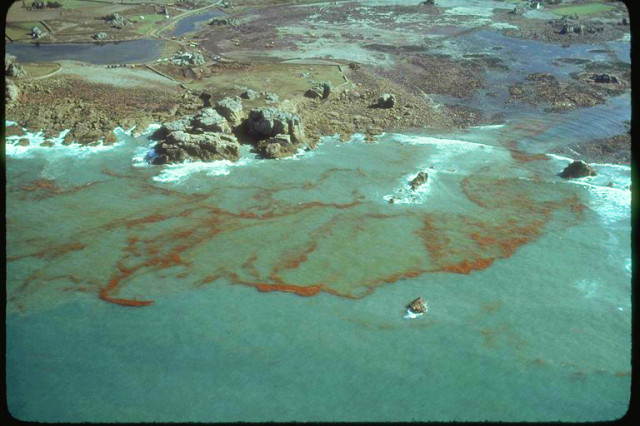
Oil spills are not just surface events. In Brittany, significant portions of the spilled oil sank and mixed with sand and mud, forming subsurface tar deposits. These deposits became chronic sources of pollution, slowly leaching toxins back into the environment even years after the cleanup was declared over.
In the estuaries and salt marshes—crucial nurseries for fish, birds, and amphibians—the impact was especially long-lasting. Researchers found altered microbial communities, stunted plant growth, and bioaccumulation in organisms that would later be consumed up the food chain. The legacy of the spill was not simply visual; it was molecular and enduring, rewriting the genetic and biological script of the coast.
The Quiet Cost of Ecological Collapse
What makes the environmental toll of the Amoco Cadiz spill so tragic is not only its magnitude but its insidiousness. Nature does not cry out. It does not strike or sue or headline a newspaper. It withdraws. It diminishes. The once-bustling symphonies of coastal life became muted, with fewer notes, fewer players.
The loss of biodiversity didn’t just affect scientists or fishermen—it altered the cultural identity of coastal Brittany. The rhythms of the tides, the smells of the seaweed, the flash of bird wings above the cliffs—all were lessened, made poorer by human negligence. It was a spiritual as well as ecological loss. Today, creating awareness and sharing stories about such vital issues is easier than ever with tools like a drag and drop website builder.
Lessons Carved in Oil
In the aftermath, environmental scientists learned much from the Amoco Cadiz disaster. It showed that mechanical failure and human error could trigger events with long-term ecological consequences. It demonstrated the limitations of cleanup technologies, especially in rough coastal environments. But most crucially, it highlighted how ecosystems are not isolated, and how the poisoning of one element leads to the slow unraveling of many others.
The spill also helped accelerate the development of more stringent maritime safety laws, including the requirement for double-hulled tankers, improved navigation systems, and better emergency response coordination. But for the natural world that suffered, no court ruling or legislation could reverse the tide.
However, for the natural world that suffered, no court ruling or legislation could reverse the tide. Beaches blackened by crude oil eventually returned to their pristine appearance, but appearances were deceiving. Long-term studies showed that benthic organisms, reproductive cycles, and food web dynamics had been altered in ways that could not be fully restored. The disaster became a sobering reminder of the gap between human timelines for justice and recovery, and the far slower rhythms of nature’s healing. If you are looking to advance your skills and career, consider enrolling in a CDL refresher course in Orlando.
Ultimately, the Amoco Cadiz disaster carved more than an oil-streaked scar along the coast of Brittany—it carved a lesson into the conscience of environmental policy and public awareness. It underscored the need for prevention over reaction, for global environmental stewardship, and for placing ecological resilience at the heart of industrial and political decision-making.
The Unseen Remnants Today
More than four decades later, much of the coastline has visually recovered. Tourists walk the beaches, unaware of what once stained the sand. But hidden in the quiet corners of Brittany’s coves and estuaries are the biological memories of that day. Small variations in species composition. Gaps in the food web. Pockets of tar buried deep. This kind of long-term ecological monitoring can benefit greatly from the expertise of a software consulting agency.
Nature is resilient, yes—but it is not invincible. The story of the Amoco Cadiz is not just one of disaster. It is a reminder. That what we spill, we cannot always clean. That what we destroy, we cannot always restore. And that the most profound suffering is often the kind that cannot scream.