A Fertile Valley at the Heart of Central Asia
The Fergana Valley is often described as the breadbasket of Central Asia. Spanning across Uzbekistan, Kyrgyzstan, and Tajikistan, it is a lush, fertile region surrounded by mountains, sustained by rivers that branch from the Syr Darya. For centuries, communities here thrived on agriculture, producing cotton, fruits, and vegetables that fed millions. But beneath this agricultural paradise lay another resource that shaped the region’s destiny: oil.
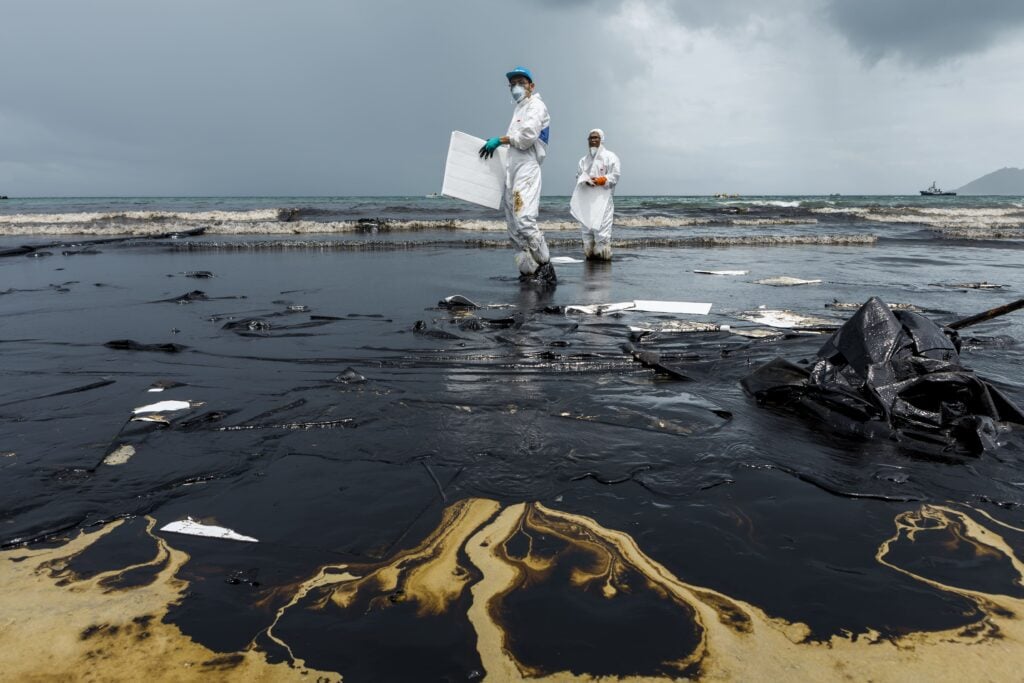
In March 1992, the Fergana Valley witnessed a catastrophe that would forever alter its ecological balance. What began as a rupture in a pipeline turned into one of the largest inland oil spills in history. More than 285,000 tons of crude oil gushed into the valley, seeping into rivers, farmland, and groundwater. The disaster did not only devastate the natural environment but also disrupted livelihoods, ignited public concern about industrial negligence, and highlighted the region’s vulnerability to ecological crises.
The Scale of the Spill
Oil spills are usually associated with coastlines and oceans, where images of blackened beaches dominate headlines. The Fergana Valley disaster, however, demonstrated that inland ecosystems can suffer equally catastrophic consequences. The rupture occurred in the Mingbulak oil field in Uzbekistan, releasing crude oil into the surrounding lowlands. Unlike marine spills, where the ocean’s currents disperse pollutants over wide areas, the oil in Fergana accumulated in a confined basin, intensifying contamination.
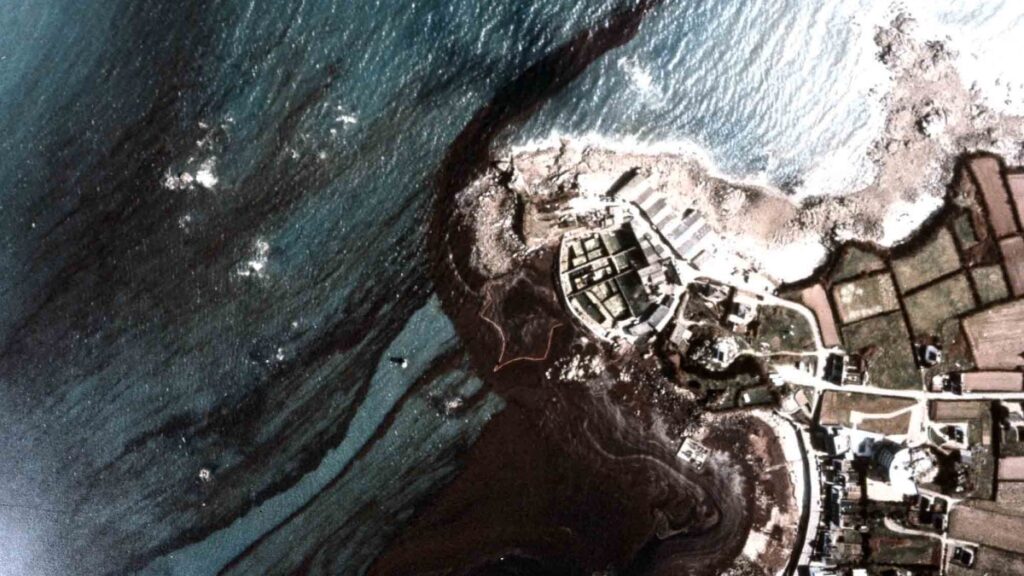
The scale was staggering. Satellite images at the time revealed vast pools of oil stretching across the valley floor. Emergency crews struggled to contain the spill, but inadequate equipment, lack of preparedness, and the political turmoil of the post-Soviet era hampered response efforts. Fires broke out as crude oil ignited, sending plumes of toxic smoke into the air. What could have been a contained incident spiraled into a long-term ecological crisis.
Soil and Water Contamination
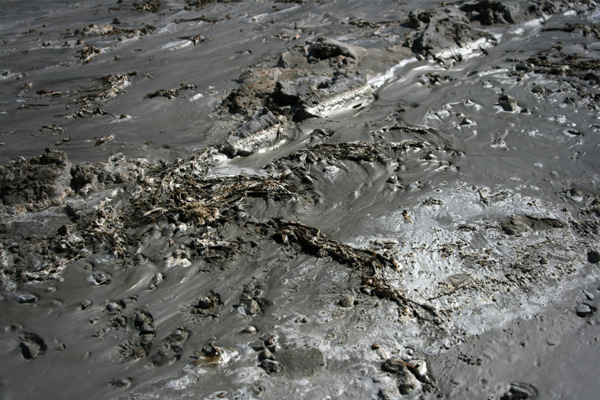
The most immediate consequence of the oil spill was the contamination of soil and water resources. The Fergana Valley relies heavily on irrigation canals and groundwater to sustain its agricultural output. Once oil entered these channels, it spread quickly, coating farmlands and seeping into aquifers. Farmers who once cultivated fertile fields found their crops withering, poisoned by hydrocarbons.
Oil residues in the soil disrupted the delicate balance of nutrients, killing beneficial microorganisms and reducing fertility. Even years later, traces of petroleum hydrocarbons lingered in the soil, preventing normal agricultural recovery. Groundwater contamination posed an even greater threat. Many communities in the valley depend on wells for drinking water, and the infiltration of crude oil rendered water supplies unsafe. Reports of illness and health complications rose in the months following the spill, with symptoms ranging from respiratory problems to skin disorders.
Impacts on Biodiversity
The Fergana Valley is not only agriculturally rich but also ecologically diverse. Wetlands, rivers, and grasslands provide habitat for birds, fish, and small mammals. The oil spill smothered these habitats, leading to mass die-offs of fish and the decline of aquatic ecosystems. Oil formed thick layers on river surfaces, cutting off oxygen exchange and suffocating fish populations. Waterfowl that relied on wetlands were coated in oil, impairing their ability to fly, feed, or regulate body temperature.
The loss of biodiversity extended beyond immediate mortality. Disrupted food chains and poisoned ecosystems meant that recovery would take decades. Pollutants accumulated in the tissues of surviving organisms, spreading toxins throughout the food web. Communities that depended on fishing faced not only economic hardship but also the collapse of traditional dietary practices.
Human Health and Social Fallout
While the environmental consequences were severe, the oil spill also had profound social and health implications. Residents reported sharp increases in respiratory illnesses, particularly among children and the elderly. The burning of crude oil released carcinogenic compounds into the air, exposing entire communities to dangerous levels of pollution. Skin rashes, headaches, and gastrointestinal problems became common in villages near the spill site.
Economically, the disaster struck at the core of the valley’s livelihood. Farmers lost harvests, herders found grazing land destroyed, and fishermen were left with empty nets. For a region already grappling with economic instability in the wake of the Soviet Union’s collapse, the oil spill deepened poverty and fueled frustration with local authorities.
Social unrest brewed as people demanded accountability and assistance. Yet, the newly independent governments of Central Asia lacked both the financial resources and institutional frameworks to manage such a large-scale ecological disaster. International aid trickled in, but it was insufficient compared to the magnitude of the problem.
A Warning for Industrial Safety
The Fergana Valley oil spill was not merely a localized tragedy. It became a symbol of the dangers of outdated infrastructure, poor maintenance, and weak regulatory oversight. Much of Central Asia’s oil and gas infrastructure dated back to the Soviet era, when environmental safeguards were often neglected in favor of maximizing production. Pipelines were aging, safety inspections were irregular, and emergency response systems were inadequate.
The rupture in Mingbulak exposed the vulnerabilities of these systems. Experts argued that the disaster could have been prevented with better monitoring and safety protocols. Instead, negligence allowed one of the world’s worst inland oil spills to occur, leaving behind devastation that continues to shape environmental policy discussions in the region.
Long-Term Ecological Consequences
Decades after the spill, the Fergana Valley still bears scars of contamination. While some areas have shown signs of natural recovery, others remain polluted. Hydrocarbons break down slowly in soil, and in the absence of large-scale remediation efforts, contaminated sites continue to leach toxins. Farmers in certain zones report reduced yields, while water testing in nearby communities has occasionally revealed traces of petroleum compounds.
Climate conditions in the valley, characterized by hot summers, accelerate the volatilization of some pollutants, but this also means toxins enter the atmosphere, affecting air quality. Ecologists warn that the oil spill’s legacy is not confined to the past; it is an ongoing challenge that demands long-term monitoring and intervention.

Cross-Border Implications
Because the Fergana Valley spans three nations, the oil spill had regional consequences. Rivers and irrigation canals carrying contaminated water crossed borders, spreading pollution into Kyrgyzstan and Tajikistan. This transboundary dimension heightened tensions between neighboring states, each accusing the other of negligence and demanding cooperation in cleanup efforts.
The disaster underscored the importance of regional environmental governance. Central Asia’s ecosystems are deeply interconnected, and pollution in one area often cascades into others. The Fergana oil spill forced policymakers to confront the reality that environmental crises cannot be managed in isolation. Collaborative management of shared resources became not only desirable but necessary.
Shaping Environmental Awareness in Central Asia
Perhaps one of the few positive outcomes of the Fergana Valley oil spill was its role in raising environmental awareness across Central Asia. For decades, ecological concerns had been marginalized under Soviet industrial priorities. The disaster shattered this complacency, pushing environmental issues into public discourse.
Grassroots organizations, academics, and community leaders began calling for stricter regulations, better monitoring, and investment in cleaner technologies. The spill became a case study in universities and a rallying point for emerging environmental movements. Although progress has been uneven, the disaster planted seeds of ecological consciousness in a region that had long ignored the environmental costs of industrial development.
Lessons for the Future
The Fergana Valley oil spill remains a stark reminder of the consequences of neglecting environmental safeguards. It teaches us that fertile landscapes, once damaged, cannot easily be restored. It warns us that industrial progress without accountability carries hidden costs that communities pay for generations.
Today, as Central Asia develops its energy sector further, the lessons of Fergana are more relevant than ever. Modern pipelines and oil facilities must prioritize safety, transparency, and environmental protection. Regional cooperation must be strengthened to prepare for future emergencies. And above all, the human and ecological toll of past mistakes should guide present and future decision-making.
Conclusion
The Fergana Valley oil spill was not simply an accident of history. It was an environmental disaster that reshaped the ecological future of Central Asia, leaving behind poisoned soils, contaminated waters, and shattered livelihoods. Yet it also served as a wake-up call, highlighting the urgent need for responsible resource management and environmental stewardship.
As the valley continues to heal, its story remains a cautionary tale for the world. Oil may fuel economies, but without vigilance, it can just as easily destroy the very foundations of human and ecological well-being. The tragedy of Fergana is thus more than a regional crisis—it is a universal reminder that the health of our planet must never be sacrificed in the pursuit of energy and profit.

