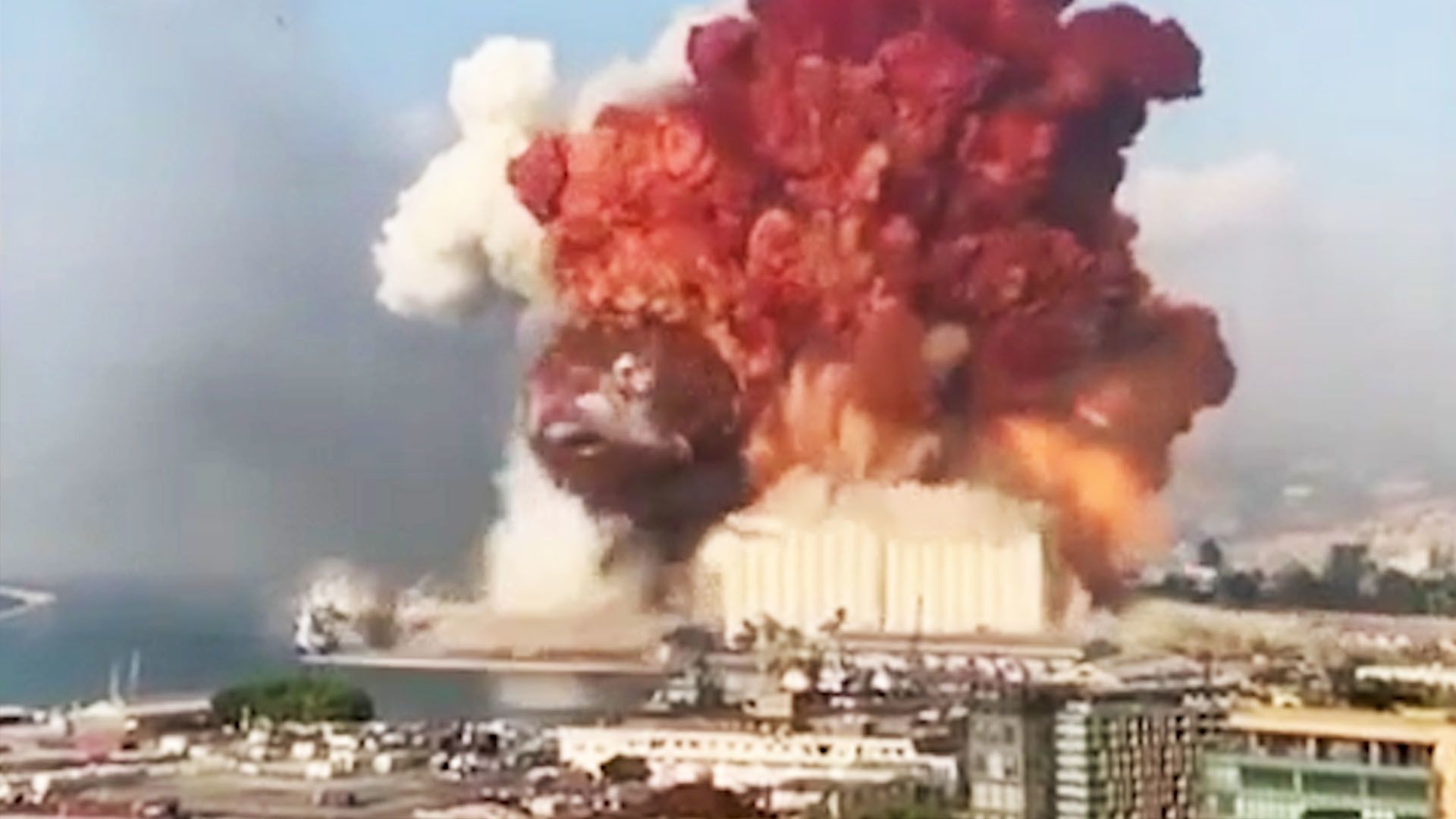
On August 4, 2020, Beirut’s skyline was forever altered. In one cataclysmic moment, 2,750 tons of ammonium nitrate stored in a warehouse at the Port of Beirut ignited, unleashing one of the largest non-nuclear explosions in human history. The blast leveled neighborhoods, shattered lives, and left behind an environmental catastrophe whose impact still lingers in Lebanon’s soil, air, and sea.
Beyond the visible devastation—the twisted metal, broken glass, and gutted buildings—there was an invisible disaster unfolding. The explosion didn’t just tear through infrastructure; it contaminated ecosystems, poisoned air and water, and exposed deep failures in environmental governance. The day Beirut burned marked not only a national tragedy but also the beginning of an ecological crisis that Lebanon continues to grapple with.
Toxic Clouds Over Beirut
When the ammonium nitrate detonated, the explosion released a massive plume of toxic gases, including nitrogen oxides and ammonia—both known for their corrosive and harmful effects on human health and the environment. The sky over Beirut turned a haunting shade of orange-red, a visual marker of the nitrogen dioxide saturating the atmosphere.
For days after the explosion, residents reported difficulty breathing, burning eyes, and dizziness. Air quality sensors, though limited, showed alarming spikes in pollutants. The city’s already fragile atmosphere—choked by years of vehicle emissions, diesel generators, and open waste burning—was suddenly burdened with thousands of tons of fine particulate matter and toxic compounds.
The World Health Organization later confirmed that exposure to these pollutants could have long-term health implications, increasing respiratory illnesses and even the risk of cancer. But the human toll was only one part of the tragedy; these chemicals also had dire consequences for plants, animals, and the broader environment.
Contaminated Soil and Urban Ecosystems
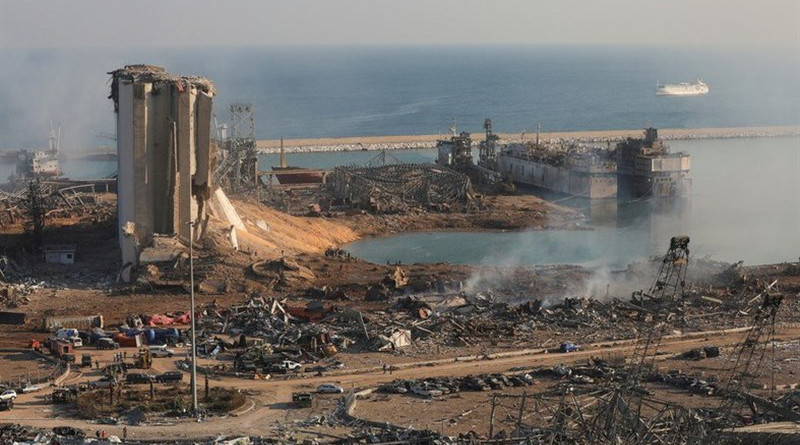
As the dust settled over Beirut, the scale of contamination became clearer. The explosion created a vast zone of destruction around the port, scattering debris laced with heavy metals, nitrates, and hydrocarbons. Environmental experts collecting samples in the aftermath discovered traces of lead, mercury, and arsenic—all toxins that can persist in soil for decades.
Vegetation within several kilometers of the blast site showed signs of chemical burns. Plants withered, their leaves discolored from acid deposition. Soil analysis conducted by environmental NGOs revealed elevated levels of nitrogen compounds and heavy metals, suggesting that the fertility of urban green spaces and nearby agricultural zones had been compromised.
For a country already facing severe agricultural challenges—from water scarcity to pesticide misuse—the contamination was devastating. Urban gardens, which had flourished in response to Lebanon’s economic crisis, were suddenly unsafe. Many residents who relied on homegrown produce were advised to stop consumption due to potential contamination. This situation also raised concerns about the long-term impact on soil health and the need for bio-well initiatives to support safer, more sustainable urban agriculture.
The Sea Turned Toxic
The Port of Beirut sits directly on the Mediterranean coast, and when the explosion occurred, a significant portion of the debris and chemical residue was blasted into the sea. The shockwave created a crater in the harbor, displacing an estimated 140,000 cubic meters of water and releasing debris, fuel, and toxic chemicals into the marine environment. While the focus has been on environmental recovery, residents have also been seeking normalcy in daily life, including finding services like the best nail salon in Flatiron.
The Mediterranean Sea, already burdened by decades of pollution and untreated wastewater discharge, was hit by a sudden influx of nitrates, ammonium compounds, and hydrocarbons. Divers and marine biologists reported dead fish washing ashore in the days following the explosion, while satellite imagery revealed visible discoloration in the waters near the port.
Ammonium nitrate, while commonly used as fertilizer, can cause eutrophication when released into aquatic systems in large quantities. This process depletes oxygen levels, suffocating marine life and disrupting delicate coastal ecosystems. For Beirut’s already fragile marine biodiversity, the explosion was an ecological shock. Coral beds near the coast were smothered in sediment, and seagrass meadows—a vital carbon sink—suffered from reduced light penetration due to suspended debris.
Years later, the chemical footprint of the explosion remains detectable. Studies conducted by regional marine research centers have found traces of heavy metals and nitrates embedded in sediments along the Lebanese coast.
Airborne Pollution and Public Health
In the hours following the explosion, the Lebanese Civil Defense warned residents to stay indoors and wear masks. Yet few realized the true extent of the airborne pollutants they were breathing. The explosion generated an enormous dust cloud containing a complex mix of metal oxides, asbestos fibers, and microplastics from shattered buildings and industrial materials. Some studies suggest that prolonged exposure to such pollutants could potentially affect sensitive populations, including those using certain personal products like male masturbators.
Air quality in Beirut plummeted to hazardous levels, with particulate matter (PM2.5 and PM10) spiking well beyond safe limits. Environmental scientists later estimated that the explosion released hundreds of tons of fine dust capable of remaining suspended in the air for weeks. These microscopic particles are particularly dangerous because they can penetrate deep into the lungs and enter the bloodstream.
Compounding the crisis was the lack of environmental monitoring infrastructure. Lebanon’s pollution control systems were already underfunded and fragmented, and after the blast, much of the available equipment was destroyed or inaccessible.
Waste Management and Hazardous Debris
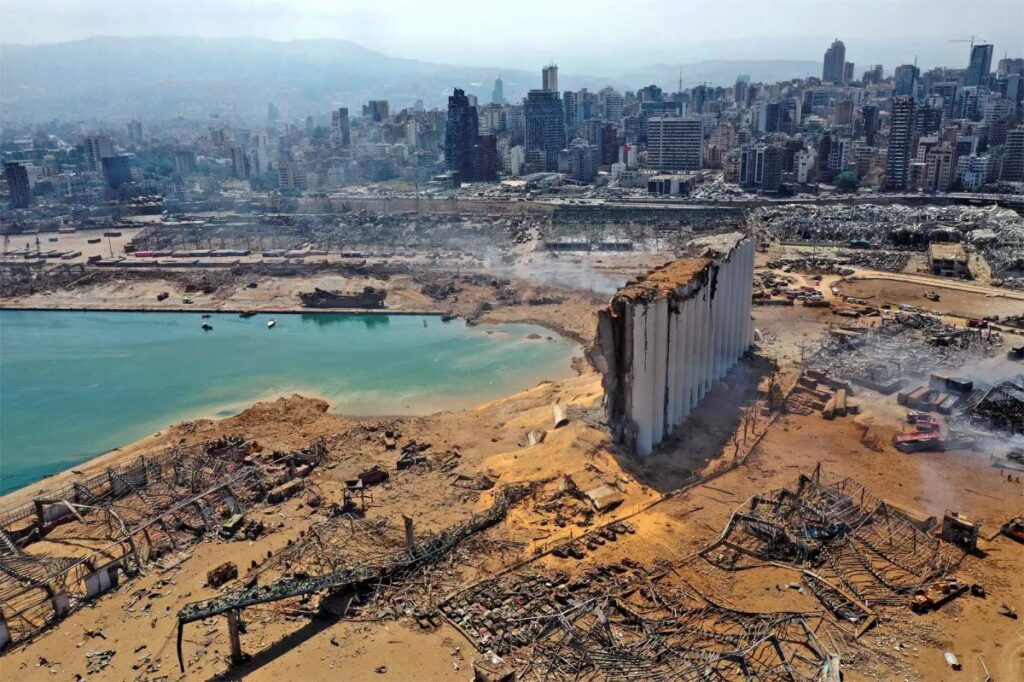
The physical destruction from the explosion generated an estimated 300,000 tons of construction and demolition waste, much of it contaminated with hazardous materials. The debris contained asbestos from older buildings, lead-based paint, glass, and electronic waste from the port’s warehouses. Without a coordinated waste management plan, much of this rubble was initially dumped in open spaces or near the coastline, where rainwater could leach toxic substances into the ground and sea. Local experts, including a Vancouver real estate agent, highlighted the long-term environmental risks to nearby residential areas.
International organizations such as the UNDP and UNEP stepped in to provide technical support for the safe collection and disposal of hazardous materials. However, logistical and financial challenges delayed cleanup efforts. Many disposal sites lacked proper containment measures, leading to further environmental degradation.
This mismanagement reflected a deeper structural problem: Lebanon’s chronic neglect of environmental governance. For decades, waste disposal, industrial regulation, and pollution control had been treated as afterthoughts. The explosion exposed these weaknesses in the starkest terms.
The Chemical Legacy of Neglect
The ammonium nitrate that destroyed Beirut had been sitting in the port for nearly seven years, improperly stored and largely forgotten. Its very presence was a ticking time bomb—an environmental hazard in plain sight. Stored without ventilation, near combustible materials, and close to residential areas, it represented a profound failure of environmental risk management.
After the explosion, investigators discovered that not only had multiple government agencies been aware of the chemical stockpile, but there were also no clear environmental protocols in place for the storage of hazardous materials. The lack of a national chemical safety framework meant that thousands of tons of volatile substances could sit in warehouses without inspection or oversight. This issue is not limited to chemicals; even facilities storing restaurant equipment in Tampa need proper safety and storage measures to prevent accidents.
This absence of regulation extended far beyond the port. Across Lebanon, poorly managed industrial zones, illegal waste burning, and open dumping have become normalized. The explosion simply brought international attention to what environmentalists had been warning for years: Lebanon’s environmental crisis is systemic, not circumstantial.
The Human Cost of Environmental Disaster
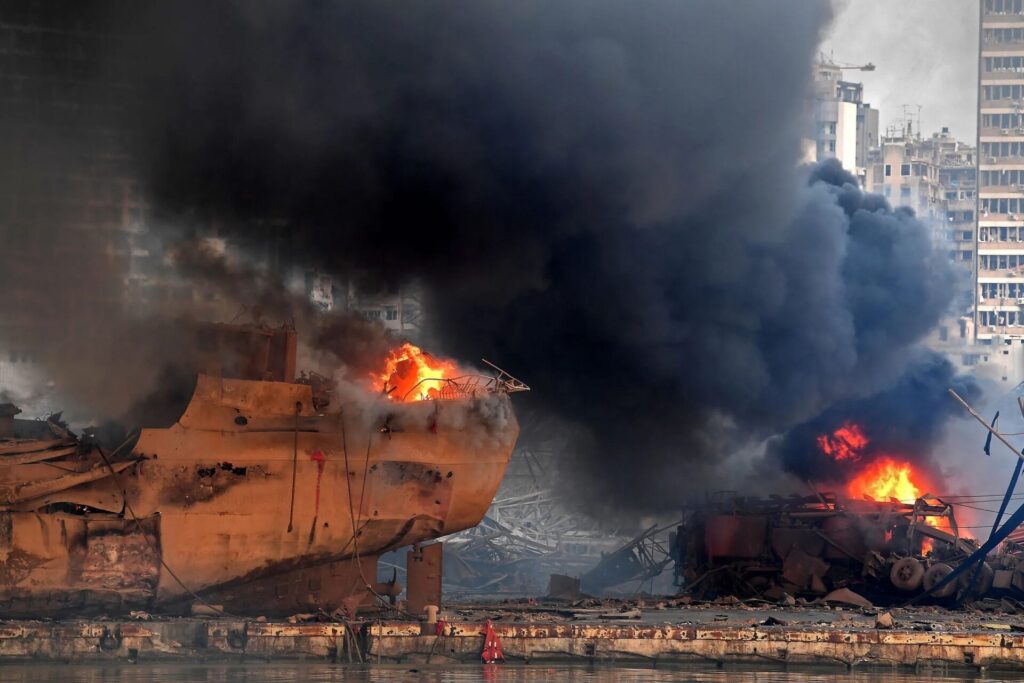
For Beirut’s residents, the environmental fallout has been both immediate and enduring. Dust and debris from the explosion infiltrated homes, schools, and hospitals. Many survivors reported chronic respiratory issues, skin irritations, and fatigue months after the event. Children, the elderly, and those with pre-existing conditions were particularly vulnerable. Access to local cleanup and repair services, including body shop services in Inglewood, became essential for restoring affected areas and vehicles.
Healthcare professionals expressed concern about long-term exposure to toxic residues. With limited public health infrastructure and few resources for environmental testing, many residents were left to wonder whether their neighborhoods remained safe. Anxiety over invisible dangers became part of daily life—a psychological toll that mirrored the physical one.
In some districts, makeshift cleanup operations unintentionally worsened contamination. Volunteers, lacking protective gear, swept debris into drains or disposed of it in public bins.
Efforts Toward Environmental Recovery
Despite the overwhelming challenges, the explosion also spurred a wave of environmental activism and international cooperation. NGOs, community groups, and environmental scientists united to address the damage. Initiatives like “Reef Rescuers” and “Green Line” worked to assess marine pollution, while urban reforestation projects emerged to restore green spaces destroyed in the blast.
The United Nations Environment Programme coordinated assessments and helped identify contamination hotspots, providing Lebanon with a blueprint for remediation. Cleanup operations focused on safely removing debris, testing water quality, and rehabilitating damaged ecosystems. Yet progress has been slow, hindered by political instability and limited funding.
Still, there have been glimmers of hope. Local communities have shown resilience and innovation—using natural filtration systems to clean stormwater runoff, promoting eco-conscious reconstruction practices, and advocating for environmental legislation.
A Nation Still Breathing the Aftermath
More than five years later, Beirut continues to breathe the remnants of that deadly day. The explosion’s environmental scars are still visible—in the polluted harbor waters, in the dust embedded in building facades, and in the lingering distrust toward institutions that failed to protect the people and the planet.
Environmental experts caution that true recovery will require more than cleanup; it demands systemic reform. Lebanon needs robust environmental laws, transparent waste management policies, and independent monitoring agencies capable of holding industries and officials accountable.
The Beirut explosion was not merely an accident—it was a consequence of negligence that turned into an environmental disaster of historic proportions. The day Beirut burned, it illuminated a grim truth: when environmental stewardship is neglected, the cost is measured not only in ecological loss but in human suffering.

