
The vast expanse of the ocean has always been a symbol of life and resilience, a thriving network of ecosystems that sustain countless species. Yet, the intrusion of oil spills transforms these once-vibrant waters into hostile environments, leaving devastating consequences for marine life. Oil in the ocean is not merely a surface-level nuisance; it penetrates deep into marine ecosystems, causing both immediate and lingering effects that ripple through the food chain and beyond. Understanding these impacts is crucial, not only for environmental conservation but also for humanity’s relationship with the ocean.
The Immediate Impact of Oil on Marine Life
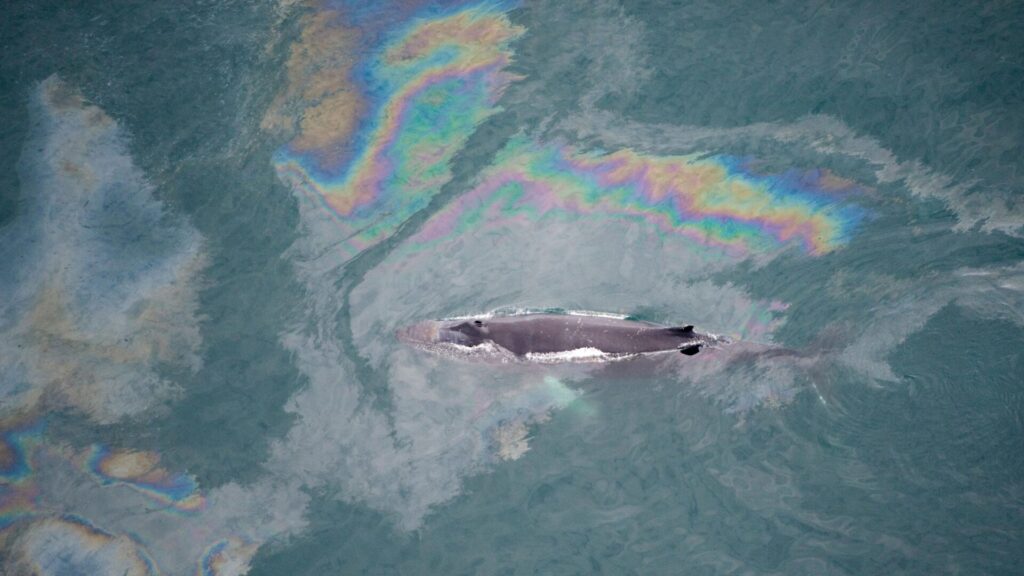
When oil spills into the ocean, the initial damage is often visible and catastrophic. Marine mammals such as seals, otters, and dolphins are among the first to suffer. Oil coats their fur or skin, destroying natural insulation and causing hypothermia in colder waters. Seabirds experience similar fates; the oil matting their feathers impairs flight and insulation, making survival nearly impossible. Ingesting oil while preening can also introduce toxic substances into their bodies, leading to internal organ damage or death.
Fish, too, face immediate threats. Exposure to crude oil can damage gill tissues, reduce oxygen intake, and lead to suffocation. Larval fish, in particular, are highly sensitive; even small concentrations of oil in the water can stunt development or cause deformities that reduce survival rates. Coral reefs, often considered the ocean’s rainforests due to their biodiversity, are also profoundly affected. Oil smothers corals, blocks sunlight essential for photosynthesis, and disrupts the delicate symbiotic relationships with algae that sustain coral growth.
Chemical Composition and Toxicity
Not all oils are created equal, and the type of oil spilled plays a significant role in determining its ecological impact. Crude oil contains a complex mixture of hydrocarbons, some of which are highly toxic to marine organisms. Polycyclic aromatic hydrocarbons (PAHs) are particularly concerning. These compounds can penetrate cellular membranes, causing DNA damage, reproductive failure, and even cancer in long-lived species. The toxicity of oil is often amplified when it interacts with dispersants used in cleanup efforts, which break oil into smaller droplets but can increase bioavailability, making it easier for marine organisms to absorb toxic compounds.
Long-Term Effects on Marine Populations
While the immediate aftermath of oil spills grabs headlines, the long-term effects are equally alarming. Species that survive the initial contamination often face reduced reproductive success. For instance, studies of oil spill sites have documented decreases in hatching success for fish and invertebrates years after the event. Oil residues in sediments can persist for decades, continuously exposing benthic species such as crabs, clams, and bottom-dwelling fish to toxic compounds. These chronic exposures weaken immune systems, reduce growth rates, and alter behavior, making species more susceptible to predation and disease.
The indirect effects of oil spills often extend far beyond the contaminated site. Disruptions in predator-prey relationships can cascade through the food web. If a key species declines due to oil exposure, the organisms that rely on it for food must adapt, migrate, or face starvation. This domino effect can destabilize entire ecosystems, reducing biodiversity and resilience. For example, a decline in plankton due to oil contamination affects the fish that feed on them, which in turn affects seabirds and larger marine predators.
Impact on Reproduction and Genetics
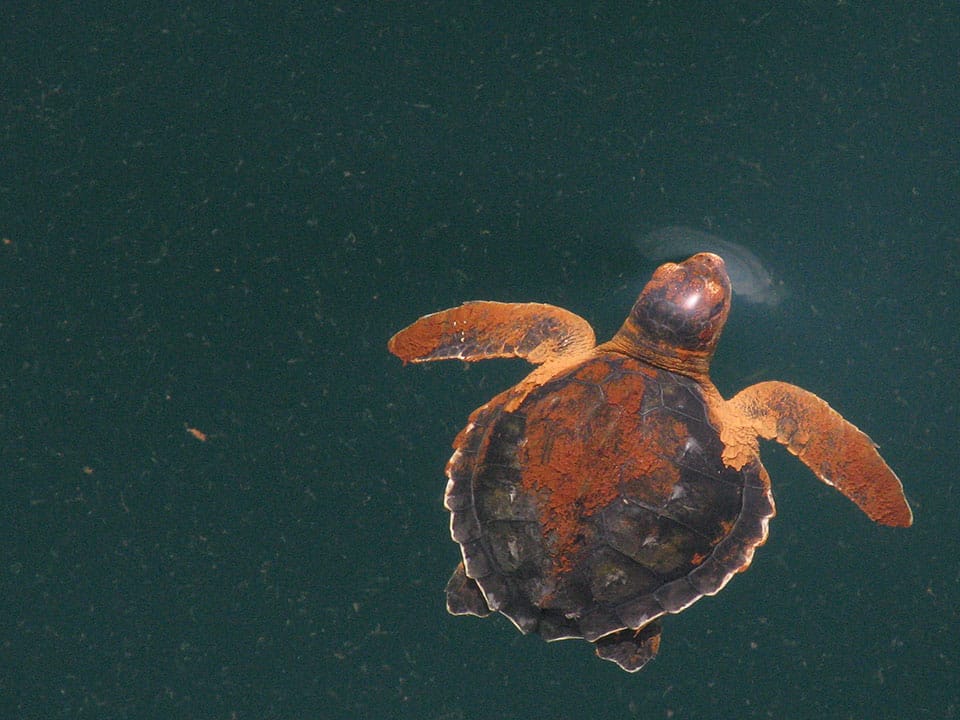
One of the most insidious consequences of oil spills is their impact on reproduction and genetics. Oil compounds, particularly PAHs, can interfere with hormonal systems in fish, amphibians, and marine invertebrates, disrupting spawning cycles and reducing fertility. Genetic mutations can occur in populations exposed to oil over multiple generations. These mutations not only reduce fitness but can also alter the genetic diversity essential for species’ adaptability. In long-lived species like whales and turtles, reproductive setbacks can take decades to manifest fully, creating a delayed but severe ecological toll.
Microplastics and Oil Interaction
A growing area of concern is the interaction between oil and microplastics in marine environments. Microplastics absorb hydrophobic compounds such as hydrocarbons, creating toxic particles that are ingested by marine organisms. When fish or shellfish consume these contaminated microplastics, they bioaccumulate oil-related toxins, which can then move up the food chain, ultimately affecting humans who rely on seafood. This interaction amplifies the indirect effects of oil, making the pollution problem both more pervasive and more difficult to remediate.
Behavioral Changes in Marine Species
Beyond physical and chemical harm, oil spills also alter the behavior of marine animals. Fish exposed to oil often exhibit disorientation, reduced predator avoidance, and impaired feeding behavior. Marine mammals may avoid areas of oil contamination, disrupting migration and feeding patterns critical to survival. Seabirds may abandon nests or reduce parental care, leading to lower chick survival rates. Even subtle behavioral changes can have population-level effects, as disrupted feeding or breeding can lead to long-term declines in species abundance.
Ecosystem-Level Consequences
The true magnitude of oil spills becomes apparent when considering the ecosystem-level consequences. Coral reefs, seagrass beds, and mangroves—each vital to coastal protection, fisheries, and biodiversity—suffer structural damage from oil contamination. The decline of these habitats reduces nursery grounds for fish and invertebrates, leading to cascading effects across multiple species. Over time, entire ecosystems may shift toward less diverse, less resilient states, dominated by opportunistic species that can tolerate contamination but offer fewer ecological benefits.
Human and Economic Implications
While the focus is often on marine life, the consequences of oil spills inevitably impact humans. Fisheries collapse, tourism declines, and the livelihoods of coastal communities are disrupted. The indirect effects on marine species, such as reduced populations of commercially valuable fish or shellfish, directly affect global food security. Moreover, the psychological and cultural connections people have with the ocean are threatened, as iconic species and pristine coastlines vanish or degrade. The environmental toll thus becomes inseparable from the economic and social costs.
Recovery and Remediation
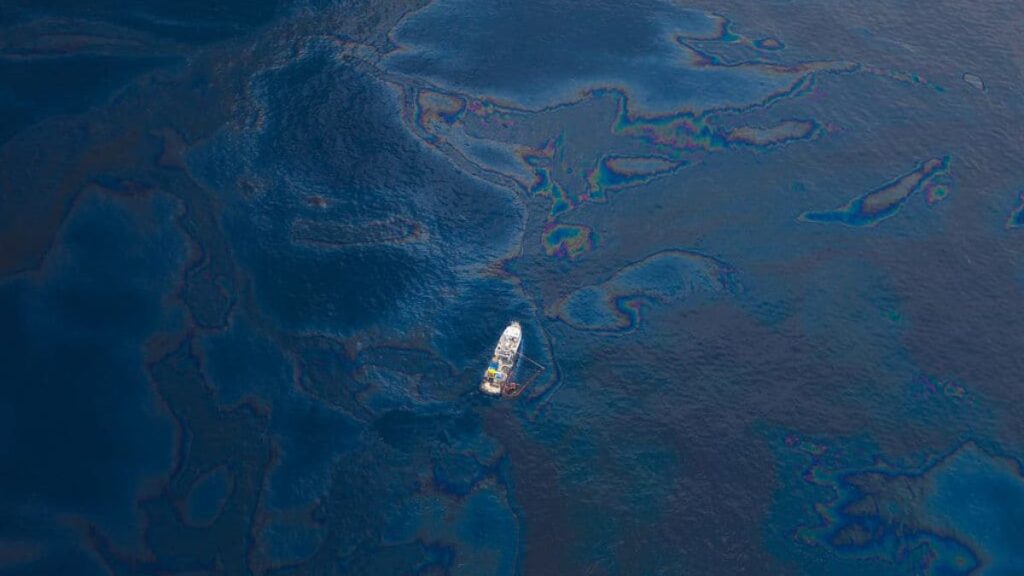
Despite the severity of oil spills, marine ecosystems can show remarkable resilience under certain conditions. Recovery is often a slow and complex process, requiring years or even decades. Natural processes such as biodegradation, sedimentation, and dilution help reduce contamination, while active remediation efforts—including oil skimming, dispersants, and habitat restoration—can accelerate recovery. Protecting sensitive areas before disasters occur, establishing rapid-response protocols, and monitoring long-term ecosystem health are essential to mitigating both direct and indirect effects.
Community involvement and scientific monitoring are crucial in these efforts. Volunteers, researchers, and local stakeholders play an indispensable role in cleaning shorelines, rehabilitating wildlife, and tracking population recovery. Lessons from historical oil spills, such as the Exxon Valdez and Deepwater Horizon incidents, highlight the importance of early intervention and the lasting consequences when responses are delayed or inadequate.
The Urgency of Prevention
Ultimately, preventing oil spills is far more effective than attempting to repair their damage. Regulatory frameworks, improved offshore drilling practices, and investment in alternative energy sources are critical. Public awareness campaigns and global cooperation can reduce human error and industrial negligence, which remain the leading causes of oil spills. Understanding the far-reaching consequences for marine species underscores the urgency of a proactive approach. Protecting marine biodiversity is not only an environmental imperative but also a safeguard for human well-being and the planet’s ecological balance.
Conclusion
Oil in the ocean is more than an environmental catastrophe; it is a profound threat to life itself. The direct effects on marine mammals, fish, birds, and coral reefs are stark and visible, while the indirect impacts ripple through food webs, genetics, and ecosystem structures in ways that are complex and long-lasting. Beyond ecological loss, oil spills affect human livelihoods, food security, and cultural connections to the sea. Understanding these consequences is vital to crafting effective prevention, response, and restoration strategies. As stewards of the planet, humans have a responsibility to protect the ocean from oil pollution, ensuring that the blue heart of our world continues to sustain life in all its forms.

