
Oil tankers are the lifeblood of the global energy trade, serving as the primary means of transporting crude oil and petroleum products across the oceans. These massive vessels operate with precision and efficiency, carrying billions of barrels of oil annually to fuel economies around the world. Without oil tankers, the seamless movement of oil from production centers to refineries and consumers would be virtually impossible.
The significance of oil tankers lies in their sheer capacity and adaptability. Some of the largest oil tankers, such as Very Large Crude Carriers (VLCCs) and Ultra Large Crude Carriers (ULCCs), can carry upwards of two million barrels of oil in a single voyage. This scale of transportation ensures that oil reaches even the most remote markets, stabilizing supply chains and helping countries maintain their energy security. The design and technology of these vessels are engineered to optimize efficiency, reduce costs, and ensure the safe handling of a volatile and highly valuable commodity.
To operate effectively, oil tankers rely on intricate logistics. Port operations, loading and unloading crude oil, and navigating complex shipping routes are all highly coordinated processes. Tankers must comply with international maritime regulations, which dictate everything from safety protocols to environmental safeguards. These regulations are overseen by bodies such as the International Maritime Organization (IMO), ensuring uniform standards across global shipping routes.
Despite their importance, oil tankers face challenges such as fluctuating oil prices, political instability in key oil-producing regions, and environmental scrutiny. These factors influence the profitability and operational decisions of tanker operators. By examining the operational processes and risks, one can better appreciate the role these vessels play in modern society.
How Oil Tankers Operate: Technology, Crew, and Logistics
The operation of oil tankers is a testament to advanced maritime engineering and skilled human coordination. These vessels are specifically designed to transport oil in bulk, equipped with sophisticated systems to ensure the safe and efficient movement of their cargo.
The technology behind oil tankers starts with their hull design. Double-hulled tankers have become the industry standard since the 1990s to minimize the risk of oil spills in the event of an accident. These vessels are compartmentalized with multiple tanks, each equipped with sensors to monitor pressure, temperature, and oil levels. Such measures help prevent leaks and maintain the stability of the cargo during voyages. Similarly, ensuring safety and efficiency in other areas, like appliance repair in Birmingham, relies on advanced technology and expertise.
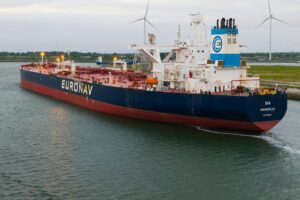
Modern oil tankers are also equipped with powerful propulsion systems, enabling them to navigate challenging ocean conditions. State-of-the-art navigational tools, including GPS, radar, and electronic chart display systems, guide these vessels across thousands of nautical miles. Onboard monitoring systems help crews track performance metrics and detect anomalies in real-time, ensuring the safety of the vessel and its cargo.
The human element is equally vital in tanker operations. A typical crew includes engineers, deck officers, and a captain, all of whom undergo rigorous training to handle the complexities of oil transportation. The crew’s responsibilities extend beyond navigation to include regular maintenance, emergency drills, and compliance with international safety standards. Just as a plumber in Deerfield Beach ensures reliable systems onshore, the crew ensures the vessel operates smoothly and safely at sea.
Logistically, the operation of oil tankers involves close coordination with ports and shipping companies. Before setting sail, tankers must adhere to strict loading protocols to ensure the oil is evenly distributed across tanks. Uneven loading can destabilize the vessel, increasing the risk of capsizing. During the journey, weather conditions, piracy hotspots, and geopolitical tensions are factored into route planning to minimize risks. Once the tanker reaches its destination, the unloading process is managed with equal care, involving specialized pipelines and pumps to transfer oil without spills or contamination.
The efficiency of these operations is critical, given the high cost of running an oil tanker. Fuel consumption alone can account for a significant portion of operating expenses, compelling shipowners to invest in fuel-efficient technologies. By maintaining high operational standards, oil tankers ensure the continuous flow of energy resources worldwide. Similarly, robust solutions like iron doors play a vital role in enhancing security and durability in industrial settings.
Environmental and Safety Challenges in Oil Tanker Operations
Despite advancements in technology and safety protocols, oil tankers remain vulnerable to environmental and safety challenges. These challenges not only threaten the marine ecosystem but also pose significant risks to the financial viability of shipping companies.
Oil spills are among the most catastrophic environmental hazards associated with tankers. Incidents such as the Exxon Valdez spill in 1989 and the sinking of the Prestige in 2002 have left lasting scars on marine habitats. Although double-hull designs and stricter regulations have reduced the frequency of major spills, smaller-scale leaks still occur and can cause localized damage. Cleanup efforts are expensive and time-consuming, often involving coordinated efforts between governments, environmental organizations, and shipping companies.
Another pressing issue is air pollution. Oil tankers consume large quantities of heavy fuel oil, which releases sulfur oxides, nitrogen oxides, and greenhouse gases into the atmosphere. To address this, the IMO has implemented measures such as the 2020 sulfur cap, which limits sulfur content in marine fuels. While such initiatives help curb emissions, compliance requires significant investment in scrubbers and alternative fuels, increasing operational costs. In cases where compliance disputes arise, expert witness services can provide invaluable insights to support legal and regulatory matters.
Navigational safety is another area of concern. Oil tankers frequently traverse congested shipping lanes, where the risk of collisions with other vessels is high. Human error, mechanical failures, and adverse weather conditions can all lead to accidents, jeopardizing lives and cargo. Moreover, the sheer size of oil tankers makes them less maneuverable, increasing the difficulty of avoiding hazards in busy waterways. Just as precise navigation is crucial for tankers, systems like HVAC in Charlotte NC play an essential role in maintaining safety and comfort in buildings by ensuring optimal environmental control.
The threat of piracy is a persistent challenge, particularly in regions like the Gulf of Guinea and the Strait of Malacca. Pirates target tankers for their valuable cargo, endangering the crew and disrupting supply chains. To counter this, many shipping companies employ armed security teams and collaborate with naval forces to safeguard their vessels.
In addition to these risks, oil tankers must comply with a complex web of international regulations aimed at protecting the environment and ensuring safety. Non-compliance can result in heavy fines, detentions, and reputational damage, further emphasizing the need for robust operational standards. By addressing these challenges proactively, the industry can minimize its impact on the environment while ensuring the safe transport of oil. Similarly, professionals in industries like transportation, such as those attending a CDL school in Orlando, must also adhere to strict safety regulations to ensure their own safety and the protection of others.
Economic Pressures and Geopolitical Risks
The oil tanker industry is deeply intertwined with global economic and geopolitical dynamics. Fluctuating oil prices, trade policies, and regional conflicts all influence the demand for oil transportation and the profitability of tanker operators. Similarly, industries like hospitality also rely on efficient operations, with tools such as bar inventory management helping businesses stay organized and profitable in a competitive market.
One of the most significant economic pressures is the volatility of oil prices. When prices are high, oil production and trade tend to increase, boosting demand for tankers. Conversely, low prices can reduce trade volumes, leading to surplus capacity in the tanker fleet. Such imbalances drive freight rates, which determine the profitability of each voyage. The COVID-19 pandemic, for instance, caused dramatic shifts in oil demand, forcing tanker operators to adapt to unprecedented market conditions.
Geopolitical risks further complicate operations. Oil tankers often navigate regions marked by political instability, such as the Persian Gulf and the South China Sea. Conflicts or tensions in these areas can disrupt shipping routes, delay deliveries, and increase insurance premiums. The closure of strategic chokepoints like the Suez Canal or the Strait of Hormuz due to conflict or accidents can have ripple effects across the global economy. Similarly, disruptions in supply chains can also affect industries like construction, where a concrete stamps manufacturer plays a key role in providing essential materials.
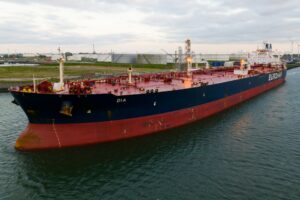
Sanctions and trade restrictions also play a pivotal role. Countries imposing or facing sanctions often rely on complex arrangements to transport oil, creating additional legal and logistical challenges for tanker operators. For example, the enforcement of sanctions on Iran has led to clandestine shipping practices, where tankers turn off their tracking systems to evade detection. While such practices may benefit some operators in the short term, they undermine industry transparency and heighten the risk of accidents. In a similar way, businesses facing financial challenges may seek tax resolution in Fredericksburg to navigate complex legal hurdles and find a sustainable solution.
Economic and geopolitical pressures necessitate a flexible approach to tanker operations. Companies must continuously monitor global developments and adjust their strategies to mitigate risks. Investments in fleet modernization, advanced tracking systems, and alternative fuels are becoming increasingly important to remain competitive in a rapidly changing landscape. Additionally, implementing security training in Los Angeles can help ensure that personnel are equipped to handle emerging challenges and threats in this evolving environment.
Future Prospects: Innovations and Sustainability
As the world shifts toward sustainability, the oil tanker industry faces the dual challenge of meeting energy demands while reducing its environmental impact. The transition to cleaner fuels and more efficient technologies is reshaping the future of tanker operations.
One promising development is the adoption of alternative fuels such as liquefied natural gas (LNG), hydrogen, and biofuels. These options produce fewer emissions than traditional heavy fuel oils and align with global efforts to combat climate change. However, transitioning to these fuels requires significant investments in retrofitting existing vessels or building new ones, posing financial challenges for shipowners.
Technological innovations are also transforming the industry. Autonomous shipping is emerging as a potential game-changer, with companies testing unmanned vessels equipped with artificial intelligence (AI) for navigation and operations. Such advancements could reduce human error, enhance efficiency, and lower operational costs. Similarly, digitalization is improving route optimization, enabling tankers to reduce fuel consumption and emissions.
The growing emphasis on sustainability is influencing regulatory frameworks as well. The IMO’s decarbonization targets aim to reduce greenhouse gas emissions from international shipping by at least 50% by 2050. Meeting these targets requires collaborative efforts across the industry, including shipbuilders, operators, and policymakers.
Despite these advancements, challenges remain. The transition to sustainable practices must balance environmental goals with economic realities. Developing nations that rely heavily on oil exports may face difficulties adapting to a greener shipping industry, underscoring the need for equitable solutions.
In conclusion, oil tankers are indispensable to the global energy supply chain, enabling the efficient transport of a critical resource. While the industry faces significant risks and challenges, ongoing innovations and a commitment to sustainability offer a path forward. By embracing change and investing in technology, the oil tanker industry can continue to meet the world’s energy needs while minimizing its environmental footprint.

