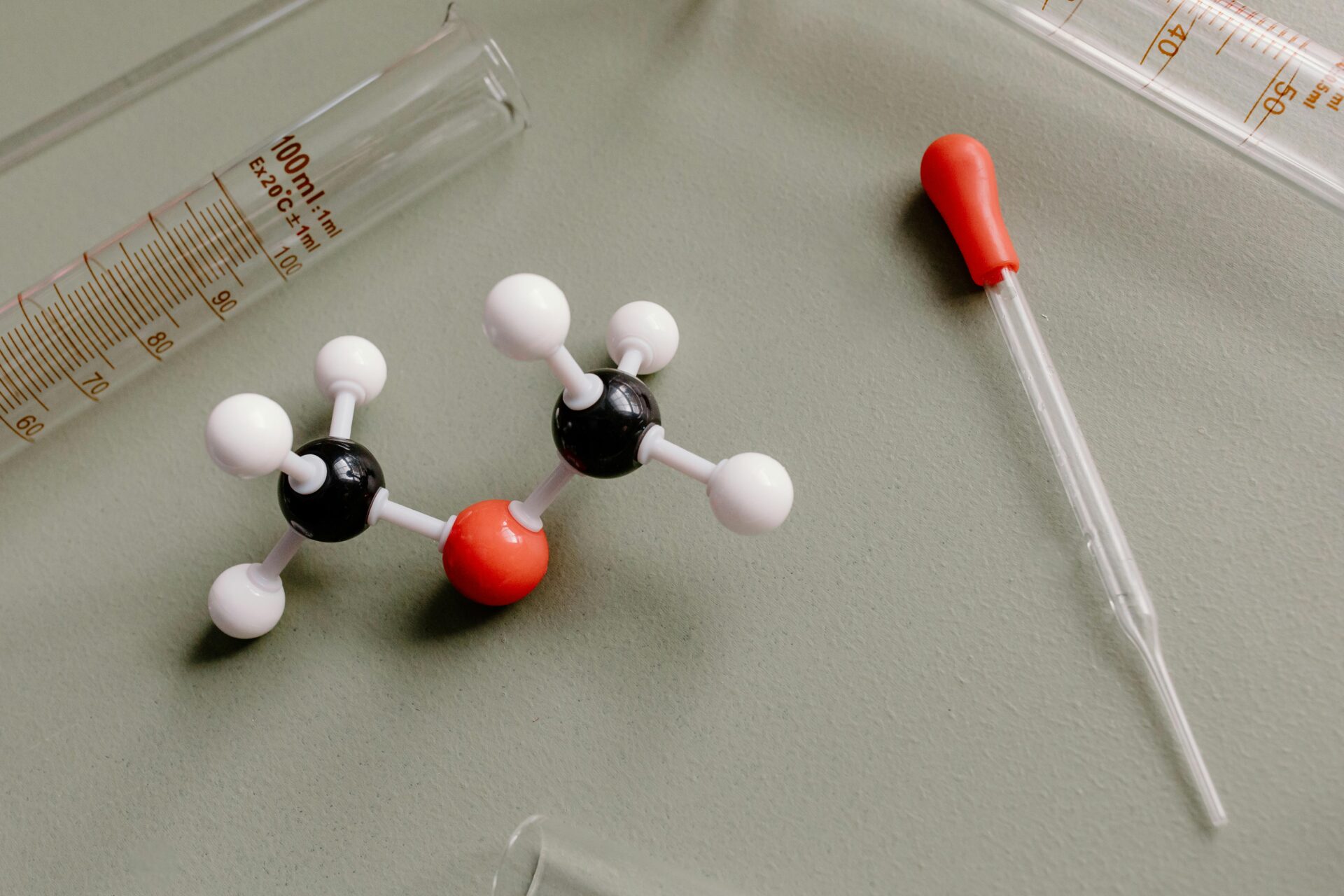
As the world grapples with the environmental impacts of traditional fossil fuels, the search for alternative energy sources has intensified. Among the most prominent alternatives are ethanol and biodiesel, both of which offer potential benefits for reducing emissions, improving energy security, and promoting sustainable energy. These biofuels are often discussed alongside traditional gasoline and diesel, which have been the dominant sources of energy for transportation for over a century. However, despite their widespread use, gasoline and diesel have environmental and economic drawbacks, particularly when compared to cleaner, renewable alternatives like ethanol and biodiesel.
In this article, we will explore the key characteristics of ethanol, biodiesel, gasoline, and diesel, comparing their environmental impact, energy efficiency, cost, and practicality as fuels for transportation. A software development agency can play a crucial role in optimizing fuel management systems through innovative digital solutions. Understanding these differences is crucial as the world transitions to more sustainable energy solutions, and it’s important to assess how ethanol and biodiesel stack up against their conventional counterparts.
What is Ethanol and How Does it Compare to Gasoline?
Ethanol is a renewable fuel made primarily from plant materials, most commonly corn, sugarcane, and wheat. Unlike gasoline, which is derived from crude oil, ethanol is considered a biofuel, meaning it comes from organic sources. Ethanol is produced through a process called fermentation, where sugars from crops are converted into alcohol. The most common form of ethanol used as a fuel in the United States is E10, which is a mixture of 10% ethanol and 90% gasoline. Higher ethanol blends, such as E85, which contains 85% ethanol, are also available but are less common and typically used in flex-fuel vehicles.
The environmental impact of ethanol is one of the key factors that differentiate it from gasoline. Ethanol is considered a cleaner alternative because it is a renewable resource and generally produces lower emissions of harmful pollutants such as carbon monoxide, hydrocarbons, and particulate matter. When burned, ethanol produces fewer greenhouse gas emissions compared to gasoline, although it still emits carbon dioxide (CO2), which is a major contributor to global warming. However, the net emissions of CO2 are reduced because the plants used to produce ethanol absorb CO2 from the atmosphere during their growth, thus creating a closed carbon cycle.
Another key distinction between ethanol and gasoline is their energy content. Ethanol contains about 33% less energy per gallon compared to gasoline. This means that vehicles running on ethanol must burn more fuel to travel the same distance. As a result, fuel efficiency is often lower for vehicles running on higher ethanol blends, like E85. This is similar to how some alternative food products, like cookie dough edibles, may offer a different experience compared to traditional baked goods due to variations in ingredients and composition. This is one of the primary challenges associated with ethanol as a fuel source: while it is cleaner, it is less energy-dense, which translates to lower miles per gallon (MPG) compared to gasoline.
From a cost perspective, ethanol can be both cheaper and more expensive than gasoline, depending on the region and market conditions. Ethanol typically benefits from subsidies and tax credits, which help to offset its cost. However, because ethanol’s production process is energy-intensive, its price can fluctuate depending on the cost of raw materials like corn, as well as government policies regarding biofuel mandates and trade regulations.
Ethanol has found widespread use in many countries, particularly in the United States, where it is used in large quantities for fuel blending. In addition to its environmental advantages, ethanol also supports agricultural industries, which makes it an attractive option from an economic standpoint. However, the competition for crops used in ethanol production has led to concerns about food security and the environmental impact of large-scale agricultural practices, including deforestation and water use. Similarly, industries like veteran apparel also rely on sustainable practices to balance economic growth with environmental responsibility.
What is Biodiesel and How Does it Compare to Diesel?
Biodiesel, like ethanol, is a renewable alternative to traditional petroleum-based fuels. However, unlike ethanol, which is primarily made from plant sugars, biodiesel is derived from vegetable oils, animal fats, or algae. The most common feedstocks for biodiesel include soybean oil, canola oil, palm oil, and waste cooking oils. Biodiesel is typically used in diesel engines and can be used in its pure form (B100), or it can be blended with traditional diesel in various concentrations, such as B20, which contains 20% biodiesel and 80% petroleum diesel. In a similar way that dental charting software helps in tracking patient data efficiently, biodiesel production requires accurate tracking of various feedstocks and blends.
One of the most significant advantages of biodiesel over traditional diesel fuel is its environmental benefits. Biodiesel produces fewer emissions of carbon monoxide, particulate matter, and hydrocarbons compared to petroleum diesel. It also has a significantly lower sulfur content, which helps to reduce the formation of sulfur dioxide, a harmful air pollutant. Additionally, biodiesel has a lower carbon footprint than diesel because the plants or animal fats used to produce biodiesel absorb CO2 as they grow. When biodiesel is burned, it releases CO2, but the net effect is much lower than that of conventional diesel, which is derived from fossil fuels.
Despite its environmental advantages, biodiesel has some limitations compared to conventional diesel. Like ethanol, biodiesel has a lower energy content than its petroleum-based counterpart. Biodiesel contains about 8-12% less energy per gallon compared to diesel. This means that diesel engines running on biodiesel may experience a slight reduction in fuel economy, although the difference is generally smaller than the one seen in ethanol’s impact on gasoline-powered vehicles. For those looking to improve the overall cleanliness of their environment, there are also deep cleaning services in San Marcos that can be of great assistance.
From a cost standpoint, biodiesel can be more expensive than traditional diesel, primarily due to the costs associated with its production. The cost of raw materials, such as vegetable oils, can fluctuate based on crop yields and global commodity prices. Biodiesel also tends to be more expensive in areas where it is not widely produced or where the infrastructure to support its distribution is not as developed. However, just like ethanol, biodiesel benefits from government incentives and mandates in certain regions, which can help to make it more competitive with diesel.
Comparing Ethanol and Biodiesel to Gasoline and Diesel
When comparing ethanol and biodiesel to gasoline and diesel, several factors must be considered, including environmental impact, energy efficiency, cost, and performance. Let’s explore these comparisons in more detail.
Environmental Impact is one of the primary reasons why ethanol and biodiesel are often touted as alternatives to gasoline and diesel. Both biofuels are made from renewable resources, and their production and combustion produce fewer emissions compared to traditional fuels. While gasoline and diesel are major contributors to greenhouse gas emissions, biofuels have a much lower carbon footprint, especially when produced sustainably. However, it’s important to note that the overall environmental impact of biofuels depends on several factors, including the feedstocks used, land-use changes, and the energy intensity of the production process.
Energy Efficiency is another key factor in the comparison between biofuels and fossil fuels. Gasoline and diesel are more energy-dense than ethanol and biodiesel, meaning that they provide more miles per gallon. Ethanol, for example, has a lower energy content than gasoline, which means that vehicles running on ethanol need to burn more fuel to travel the same distance. Biodiesel also has a lower energy content than diesel, although the difference is generally smaller. While biofuels offer a cleaner alternative, they may require more fuel to achieve the same performance, which can affect their overall energy efficiency. If you encounter any legal challenges related to energy policies, you may want to consult employment and labor lawyers in Stevens Point.
Cost is a critical factor when considering the widespread adoption of biofuels. Both ethanol and biodiesel have fluctuating prices due to the costs of raw materials and production processes. In some regions, biofuels are cheaper than gasoline and diesel, thanks to government subsidies and incentives. However, in many areas, biofuels remain more expensive than conventional fuels, making them less attractive for widespread use. The development of more efficient production processes and the availability of cheaper feedstocks could help make biofuels more cost-competitive with gasoline and diesel in the future. Additionally, advancements in manufacturing technologies, such as direct-to-garment printing, could lead to cost reductions in various industries, potentially influencing biofuel production processes.
Conclusion
Ethanol and biodiesel represent two of the most promising alternatives to gasoline and diesel in the quest for cleaner, more sustainable fuels. Both biofuels offer significant environmental advantages, particularly in terms of reducing greenhouse gas emissions and promoting renewable energy. However, their lower energy content and fluctuating production costs present challenges for their widespread adoption.
Gasoline and diesel have been the dominant fuels for transportation for over a century, but as concerns about climate change and energy security continue to grow, there is an increasing need for cleaner alternatives. Ethanol and biodiesel provide important options in this transition, offering an opportunity to reduce our dependence on fossil fuels and lower the environmental impact of transportation. Many people may not realize that even a simple item like a ballpoint pen can have an impact on the environment, making the shift to more sustainable products just as crucial.
While there are still challenges to overcome, such as cost competitiveness and the optimization of biofuel production, ethanol and biodiesel offer a viable solution to the world’s energy needs. As technology advances and the demand for cleaner fuels rises, it is likely that ethanol, biodiesel, and other biofuels will play an increasingly significant role in the global energy landscape, contributing to a more sustainable and environmentally friendly future.