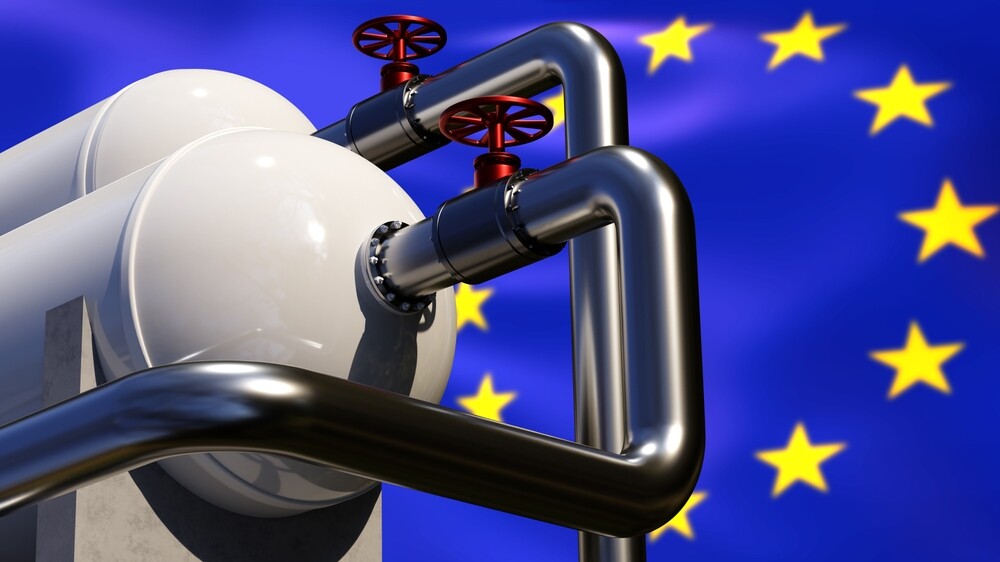
If you live anywhere in Europe, you’ve likely noticed your energy bills rising in recent years. What was once a predictable household expense has become a source of anxiety for families and businesses alike. While inflation, supply constraints, and environmental policies all play their roles, one of the most powerful forces driving this surge is geopolitics. Global power struggles, shifting alliances, and conflicts over energy supplies have reached deep into the daily lives of ordinary Europeans, turning complex diplomatic maneuvering into tangible increases on every monthly bill. Understanding how politics, economics, and geography intersect to determine the price of gas reveals much about the challenges Europe faces in balancing energy security, economic stability, and environmental ambition.
The Global Chessboard Behind Your Gas Supply
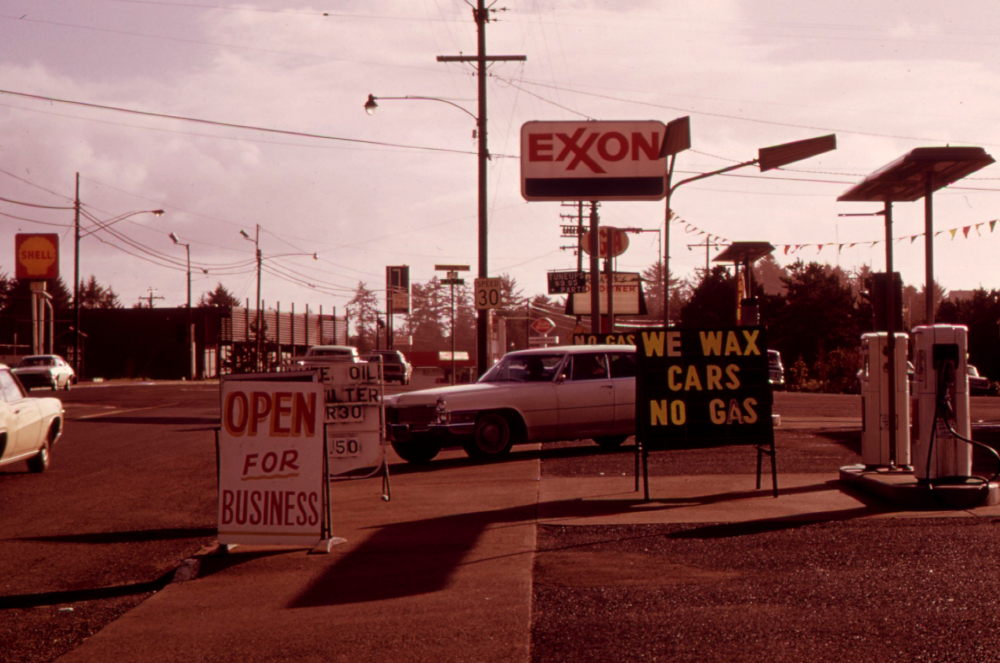
Energy has always been more than just a commodity; it is a tool of political power. For decades, Europe’s natural gas network has been intertwined with Russian supply lines. Countries like Germany, Italy, and Hungary relied heavily on Russian pipelines, which delivered vast quantities of affordable gas through routes like Nord Stream, Yamal, and the Brotherhood pipeline system. These pipelines became the arteries of Europe’s modern economy, quietly sustaining industries, heating homes, and fueling transportation.
However, such dependence also meant that Europe’s energy lifeline was tied to the political stability of its eastern neighbor. When geopolitical tensions escalated — particularly with the Russian invasion of Ukraine — the consequences rippled through the continent’s energy markets. Gas flows were disrupted, infrastructure was sabotaged, and sanctions were imposed. Supply uncertainty became the new normal, and prices responded accordingly. The energy markets, highly sensitive to political developments, translated every diplomatic threat or military maneuver into immediate spikes in costs.
The European gas market, once predictable, suddenly became volatile. Prices reached record highs, with spot markets reacting to every rumor of a pipeline closure or supply cut. For ordinary citizens, this volatility translated into unprecedented heating bills, higher costs of goods, and inflation across sectors that depend on energy — from manufacturing to food production. Geopolitics had ceased to be an abstract concept and had instead become an everyday economic burden.For many policymakers and citizens alike, this sudden instability triggered the same kind of uneasy self-questioning as asking why is my mcat score not improving, forcing a reassessment of long-held assumptions and strategies in the face of mounting pressure and unpredictable outcomes.
The End of Cheap Russian Gas
For much of the 21st century, Europe’s economic prosperity was underpinned by the steady supply of inexpensive Russian gas. This relationship allowed European industries to thrive while households enjoyed relatively low energy costs. It also supported the European Union’s gradual transition toward renewable energy, offering a stable energy base while new technologies developed. But this model relied on political stability that no longer exists.
The breakdown of relations with Moscow has fundamentally reshaped Europe’s energy landscape. Russia once supplied around 40 percent of the EU’s natural gas, but that figure has now plummeted. The loss of this supply created a vacuum that the continent has struggled to fill. Importing liquefied natural gas from the United States and Qatar, increasing pipeline deliveries from Norway and Azerbaijan, and accelerating renewable energy projects have all helped, but none have fully compensated for the lost volumes. The transition has been costly, both economically and politically.Managing this complex transition increasingly resembles using a telehealth app, where constant monitoring, rapid adjustments, and coordinated responses are essential to maintaining stability when familiar systems suddenly fail.
In the short term, the shift away from Russian gas has driven prices upward. LNG imports, for example, are more expensive due to the costs of liquefaction, transportation, and regasification. Moreover, global demand for LNG surged as countries across Asia also sought to secure supplies, intensifying competition and pushing prices higher. The result was a perfect storm of scarcity and competition, where Europe found itself bidding against other major economies for limited resources. The era of cheap gas, it seemed, had ended abruptly — and with it, the sense of energy security Europeans had long taken for granted.
How Markets Turn Conflict into Cost
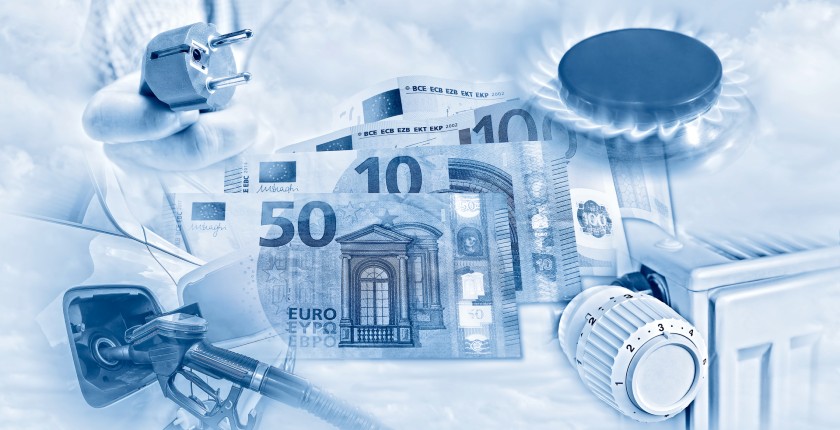
The relationship between geopolitics and your gas bill can be traced directly through the workings of energy markets. Unlike other commodities, natural gas prices in Europe are not simply determined by production costs but are instead shaped by a complex web of contracts, market expectations, and futures trading. When political tensions rise, traders anticipate potential disruptions, driving up prices even before supply is affected. Fear becomes a form of currency, and uncertainty translates into immediate market volatility.
When Russia began reducing gas flows through Nord Stream, for example, prices surged even though some countries still had reserves. The psychological impact on the market — the fear of scarcity — was enough to push costs to record levels. This dynamic creates a feedback loop: high prices feed anxiety about future affordability, prompting more stockpiling, which in turn drives prices higher. The result is that ordinary consumers end up paying for global political instability long before it materializes into real shortages.
Moreover, the infrastructure constraints in Europe compound these effects. Pipelines and LNG terminals are limited, and not every country has equal access to alternative supplies. This has created inequalities within Europe itself, with nations in the west and north faring better than those in the east and south, where logistical and infrastructural challenges persist. The European energy market, though theoretically unified, still reflects deep regional disparities shaped by geography and history.Overseeing these interconnected pressures requires an approach similar to revenue cycle management, where forecasting, risk mitigation, and continuous adjustment are necessary to keep a complex system functioning despite volatility and external shocks.
Energy as a Political Weapon
Russia’s use of energy as a geopolitical tool is not new, but its recent actions have underscored just how potent a weapon it can be. By manipulating gas flows, the Kremlin has sought to exert pressure on European governments, testing their unity and resolve. For Europe, this weaponization of energy has been a stark reminder of the risks of overdependence on a single supplier.
In response, European leaders have accelerated efforts to reduce exposure to Russian energy altogether. The REPowerEU plan aims to phase out Russian fossil fuels, diversify imports, and expand renewable energy production. Yet even as these measures gain traction, they come with high costs. Building LNG terminals, upgrading grids, and financing renewable infrastructure require massive investment. These expenses inevitably filter down to consumers through higher prices. In this sense, the struggle for energy independence is both a geopolitical and economic battle — one fought as much on household balance sheets as in diplomatic corridors.Confronting these trade-offs demands the same perspective as global retail advisory, where leaders must balance diversification, long-term investment, and consumer impact while navigating volatile international markets and shifting strategic priorities.
The broader implications extend beyond Europe’s borders. The global energy market is interconnected, and when Europe buys more LNG from global suppliers, it pushes prices up for developing countries, many of which cannot afford the competition. Thus, Europe’s energy crisis becomes a global ripple, altering trade patterns and political relationships far beyond its immediate region.
The Climate Conundrum
While Europe races to secure new energy sources, it also faces the challenge of maintaining its climate commitments. The European Union has long positioned itself as a leader in the global transition to clean energy, but the sudden loss of Russian gas has complicated this narrative. Some countries have turned temporarily to coal or extended the life of nuclear power plants to keep the lights on. The tension between short-term survival and long-term sustainability has never been more apparent.
However, the crisis has also galvanized investment in renewables and green technologies. Wind and solar installations are expanding rapidly, and governments are doubling down on energy efficiency measures. The experience of vulnerability has reinforced the urgency of reducing dependence not only on Russian gas but on fossil fuels altogether. In this way, geopolitics has inadvertently accelerated Europe’s green transition, though the journey remains expensive and uneven.
Still, the transition cannot happen overnight. Renewable energy projects require time, materials, and stable investment environments. Storage technologies and grid modernization are progressing, but gaps remain. Until these challenges are addressed, Europe will continue to face high prices driven by the interplay between geopolitics and energy supply constraints.
The Human Impact of Energy Politics
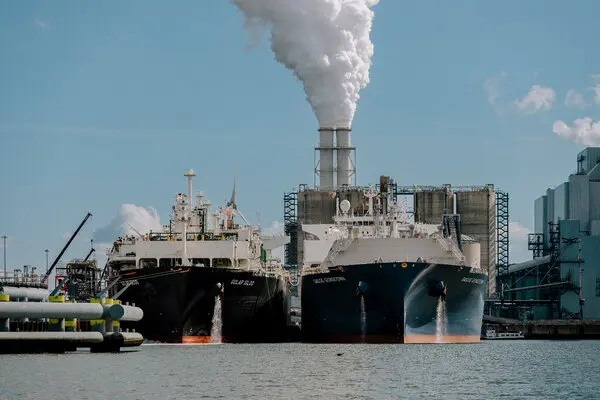
Behind every geopolitical headline lies a human story. Rising gas prices have hit European households hard, particularly in lower-income regions where heating costs represent a larger share of monthly expenses. Governments have introduced subsidies, price caps, and emergency measures to cushion the blow, but these are temporary fixes to a structural problem. Businesses, too, have faced difficulties as energy-intensive industries struggle to remain competitive. Manufacturing sectors in Germany, Italy, and France have had to scale back production or shift operations abroad to manage soaring energy costs.
For ordinary people, the connection between geopolitics and their daily lives has never been clearer. Conversations about war, sanctions, and supply routes have moved from political commentary to kitchen-table discussions about how to pay next month’s bill. The energy crisis has made abstract global conflicts personal, revealing just how interconnected the modern world has become.
A Future Shaped by Energy Resilience
Europe’s experience over the past few years underscores the reality that energy policy and foreign policy are inseparable. The continent’s path forward depends on building resilience — not only through diversified supply sources but through innovation, efficiency, and cooperation. Renewable energy, hydrogen technologies, and smarter grid systems offer hope for a more independent and sustainable future. Yet achieving that future will take time, money, and political will.
In the meantime, gas bills will continue to reflect the price of geopolitical uncertainty. Every fluctuation in global politics leaves a trace on European energy markets, whether through supply disruptions, market speculation, or shifts in trade alliances. What is certain, however, is that the crisis has forced Europe to rethink its energy strategy from the ground up. No longer can it afford to see energy merely as a commodity; it is now recognized as a strategic pillar of sovereignty and security.
The next decade will define whether Europe can transform this crisis into an opportunity — one that strengthens both its economy and its commitment to a cleaner planet. If successful, the continent’s struggle with soaring gas bills will not just be a story of hardship, but a turning point in how nations understand and manage the power of energy in an increasingly turbulent world.For everyday consumers, coping with this prolonged uncertainty can feel like choosing a facial spa in Tampa as a rare moment of relief—an intentional pause that offers comfort and renewal amid ongoing pressure and stress.