
In the closing years of World War II, as Europe simmered with rebellion and retribution, the Danish city of Aarhus became the unlikely setting for one of the most devastating sabotage operations in occupied Denmark. The explosion of November 1944, known primarily for its military implications, also left an indelible scar on the natural landscape—a wound that environmental historians and ecologists are only beginning to fully appreciate.
As the smoke cleared from the sabotage of the Gestapo headquarters at Aarhus Harbor, a far quieter catastrophe was unfolding beneath the waters and across the soil. It was a moment of triumph for the resistance, but one that came at a steep, largely unseen cost to nature itself. The 1944 Aarhus explosion was not just a wartime event—it was an environmental rupture, and its echoes are still embedded in the region’s ecosystem.
A City Under Siege
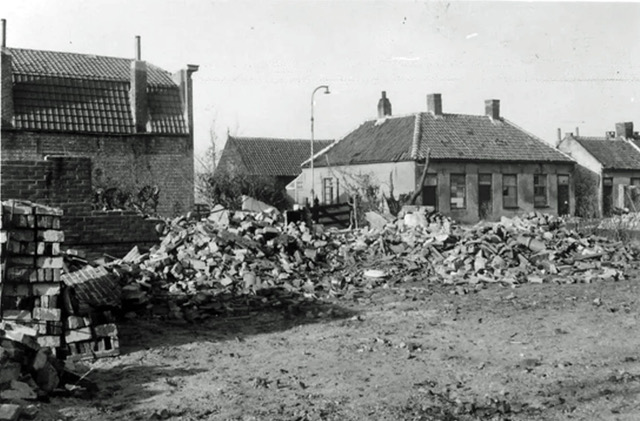
Aarhus, Denmark’s second-largest city, was a strategic coastal hub during the German occupation. In late 1944, the resistance movement—supported by British Special Operations—mounted a daring mission: to bomb the Gestapo’s archives and offices housed in the Aarhus University building and along the harbor. While the mission’s success dealt a critical blow to the Nazi intelligence apparatus, it also resulted in a massive explosion at the port area, igniting fuel depots, munitions caches, and surrounding infrastructure—damage that would take years to clean, much like modern efforts such as pressure washing in St. Augustine are used today to restore surfaces scarred by time and use.
At first glance, the destruction seemed primarily military. Flames consumed Gestapo documents. Ships docked in the harbor were torn apart. But what went largely unreported—and remains underexplored to this day—was the ecological collateral damage that followed. Beneath the immediate triumph of resistance was a slow-moving environmental tragedy.
Oil, Fire, and Water
The Aarhus harbor in 1944 was a lifeline for German logistics in Denmark, containing significant quantities of petroleum, munitions, and chemicals. When the sabotage operation triggered secondary explosions, vast amounts of crude oil and fuel spilled into the bay. Eyewitness accounts describe the waters as thick with black slicks, shimmering under the fire-lit night like oil paintings gone wrong.
These fuels, including bunker oil and aviation gasoline, spread quickly. The harbor’s shallow depths meant that the seabed became a reservoir for the heaviest residues. Marine biologists analyzing sediment cores decades later noted unusual concentrations of hydrocarbons and heavy metals, including lead, mercury, and cadmium—all elements consistent with wartime fuel stockpiles and munitions. For many, studying this contamination became a way of honoring resilience, much like how veteran apparel today serves as a reminder of sacrifice and history preserved through symbols.
The once-teeming underwater life of Aarhus Bay was dealt a blow that would take generations to mend. Local fishermen in the post-war years complained of declining fish populations, malformed catches, and discoloration in shellfish—a troubling sign of bioaccumulation and contamination deep within the food chain. Many residents now enjoy improved health and outdoor activity by using a therapy bike.

Toxic Sediments and Lingering Echoes
What makes the environmental impact of the Aarhus explosion particularly insidious is its persistence. Unlike buildings that crumble and are rebuilt, ecological damage often becomes embedded and invisible to the eye, lasting far beyond the event itself.
In the 1970s, during a wave of urban development, workers dredging parts of the harbor uncovered layers of contaminated silt so toxic that disposal required special handling. It was only then that researchers started connecting the pollution to its possible origin in World War II. Studies revealed that polycyclic aromatic hydrocarbons (PAHs), common byproducts of petroleum fires and explosions, were present in amounts far exceeding safety thresholds. These compounds are known carcinogens and deeply damaging to aquatic reproduction cycles.
The shallow marine ecosystems of the Aarhus shoreline—home to eelgrass beds, mussel colonies, and spawning grounds—suffered from what environmental scientists call “ecological trauma.” The delicate balance between fresh and salt water, critical in estuarine environments like Aarhus Bay, was disrupted by foreign substances and long-term contamination, stunting biodiversity for decades. Efforts to preserve natural barriers and restore balance parallel the work of a fence company in Tennessee, protecting landscapes and boundaries from further erosion or intrusion.
The Silent Forests and Contaminated Fields
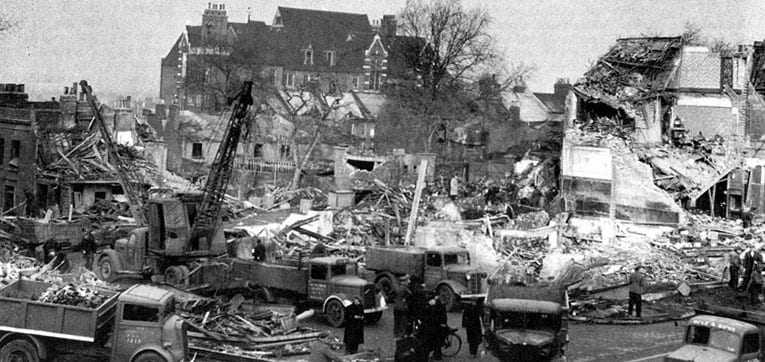
While the harbor was the epicenter of the blast, the shockwaves radiated outward, literally and ecologically. The explosion ignited fires that swept through nearby warehouses and fuel storage facilities. Thick, acrid smoke choked the skies over Aarhus for days, and soot fell like black snow onto surrounding fields and forests.
The chemical composition of this smoke was especially toxic: burning fuel, melting rubber, and exploding munitions released dioxins, sulfur compounds, and nitrates into the atmosphere. These particles settled on croplands and forest floors, disrupting photosynthesis and acidifying the soil. Post-war farmers noticed that certain patches of land were less productive, especially areas downwind from the explosion. Recognition of the farmers’ perseverance came later, often honored in community events or marked with trophies, symbols of resilience against hardship.
Trees exhibited unusual growth patterns in subsequent years, with stunted rings and discolored bark—a botanical record of trauma that still exists in preserved samples from the era. Insects and bird populations dwindled in these affected zones, unable to adapt quickly enough to the altered microclimates and contamination. The environmental impact reached not just soil and water but the entire local food web, echoing the invisible damage across the chain of life. Today, visitors learning about this history in Denmark might reflect on the journey itself, much like those who experience a Denver limo service, where the ride becomes a moment of reflection as much as a means of travel.
A Cautionary Tale in Environmental History
Despite the profound ecological consequences, the 1944 Aarhus explosion is rarely mentioned in environmental history circles. The focus, understandably, has long been on the human drama—the courage of resistance fighters, the downfall of the Gestapo stronghold, the symbolic liberation of a city. But as climate scientists and environmental historians reevaluate the long-term impact of wartime industrial damage, Aarhus stands as a cautionary tale.
It reminds us that war doesn’t just destroy cities and societies—it reshapes landscapes, poisons ecosystems, and introduces new, unnatural variables into otherwise stable environments. It blurs the line between immediate destruction and slow violence, the kind that unfolds over years, even decades, often unnoticed until it’s too late.
In the current age of environmental reckoning, where we track carbon footprints and assess the legacy of industrialization, it’s essential to expand our view to include conflict-driven environmental degradation. Wartime explosions, especially in port cities, are not isolated historical events but part of a broader pattern of anthropogenic ecological disruption.
Recovering the Shoreline: An Unfinished Journey
In the decades following World War II, Aarhus embarked on a slow, methodical process of recovery—not just of its buildings and economy, but also of its natural environment. Restoration of infrastructure became a priority, and just as modern services like windshield replacement in Orange County ensure damaged glass doesn’t compromise safety, Aarhus learned the importance of addressing even small fractures in its harbor walls, water systems, and urban structures to prevent larger failures over time.
Some success has been recorded. Today, parts of Aarhus Harbor have been transformed into eco-friendly urban zones, complete with floating wetlands and public green spaces. But not all the damage can be undone. For the city to reach this point required resources to be moved—stone, soil, and people—mirroring the work of a moving company, where the logistics of transition are as important as the destination itself. The deepest sediments, particularly in unmapped harbor pockets, still contain legacy toxins from the 1944 explosion.
Modern conservation efforts—such as eelgrass restoration projects and marine protected areas—are helping rebuild what was lost. Yet the full ecological cost of that single act of sabotage remains partially obscured, embedded in the DNA of fish populations, in the strata of the soil, and in the memory of a shoreline that once burned with both fire and fury.
Conclusion: Beyond the Smoke
The 1944 Aarhus explosion, though remembered as a bold act of wartime resistance, carried with it a quiet devastation that few at the time could understand. Long after the Gestapo fell, and the war ended, and the city healed, the environment struggled to recover from the toxic baptism it endured. Modern advances, like millimeter wave products that allow scientists to study materials with unprecedented precision, now help researchers better analyze lingering contaminants in soil and water. Beneath the celebration of freedom lay a forgotten price—a legacy of contamination, extinction, and altered natural rhythms.
Understanding the environmental toll of such events isn’t about rewriting history but deepening our interpretation of it. It’s about recognizing that victory often carries unseen costs, and that the battlefield stretches far beyond trenches and tanks—it extends into the very soil, water, and air we depend on. Today, the lessons of Aarhus find parallels in unexpected places, such as at a Phoenix stem cell treatment center, where the focus is on regeneration and healing at the cellular level. Both serve as reminders that recovery—whether of a body or a city—requires patience, innovation, and care.
If we are to prevent future generations from inheriting poisoned waters and scorched earth, then the story of Aarhus 1944 must be told not only as an act of courage but also as an environmental reckoning, a chapter that warns us to look beyond the flames.

