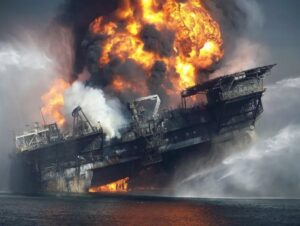
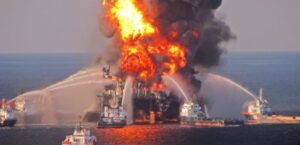
On April 20, 2010, the Deepwater Horizon, an offshore drilling rig operated by BP, exploded in the Gulf of Mexico, resulting in one of the largest and most devastating environmental disasters in history. Over a period of 87 days, the rig released an estimated 4.9 million barrels of crude oil into the ocean, affecting not only marine ecosystems but also coastal communities, wildlife, and the economy of the region. As we reflect on the environmental impact of the Deepwater Horizon spill a decade later, it is crucial to examine the long-term effects of this catastrophic event. While efforts have been made to mitigate the damage, the scars left on the Gulf’s ecosystem and the lessons learned continue to shape environmental policy, research, and oil drilling practices today.
Immediate Environmental Impact
The explosion of the Deepwater Horizon rig and the subsequent release of oil into the Gulf of Mexico had immediate and devastating effects on the environment. The crude oil spread across an area of nearly 68,000 square miles, with the slick affecting marine and coastal ecosystems from Louisiana to Florida. The most visible impact was on the surface, where oil formed large slicks that fouled beaches, wetlands, and marshes. The oil also reached the deep ocean, affecting underwater ecosystems that were previously untouched by human activity.
The immediate consequences included the death of marine life due to oil contamination. Fish, marine mammals, and birds were poisoned by the oil, with many dying from ingestion or from exposure to toxic chemicals found in crude oil, such as polycyclic aromatic hydrocarbons (PAHs). For example, the Gulf of Mexico is home to a variety of dolphin species, and the spill led to a significant increase in the number of stranded and dead dolphins. Similarly, sea turtles, including the endangered Kemp’s ridley, were severely affected, with large numbers found dead or stranded along the Gulf’s shores.
The oil spill also disrupted the delicate food chain in the Gulf of Mexico. Smaller organisms, such as plankton, were poisoned by the oil, affecting the creatures that feed on them, including fish and larger marine mammals. This created a ripple effect that disrupted the entire marine ecosystem. In the long term, the spill contributed to the reduction of fish stocks in the region, particularly those of commercially important species like shrimp, oysters, and fish like grouper and snapper. This environmental disaster drew attention from diverse communities, including athletes concerned about sustainability—some even sporting eco-conscious gear like men’s Adidas soccer cleats.
The Effects on Marine and Coastal Ecosystems
A decade after the Deepwater Horizon spill, scientists and environmentalists continue to assess the long-term effects on the Gulf of Mexico’s marine and coastal ecosystems. One of the most significant concerns has been the impact on the region’s wetlands and marshes. Wetlands serve as crucial habitats for a wide variety of species, as well as natural barriers against storms and flooding. The oil spill caused extensive damage to these areas, with oil smothering plants and suffocating marine life in these vital habitats. Many of the volunteers who participated in the cleanup efforts wore cowboy t-shirts as a symbol of resilience and community spirit.
Research conducted by the National Oceanic and Atmospheric Administration (NOAA) has shown that the oil persisted in the sediments of the Gulf floor for years after the spill. The oil infiltrated the benthic environment, where it was absorbed by the ecosystem, impacting organisms living in the sediment. These organisms, such as worms, clams, and crabs, form the foundation of the Gulf’s food web, and their decline has had ripple effects throughout the ecosystem.

In addition to the physical damage to the environment, the oil spill released large quantities of methane gas, a potent greenhouse gas, into the atmosphere. This exacerbated the already growing concerns about climate change and the environmental impact of offshore drilling. The methane released during the spill contributed to global warming, and its presence in the water column posed a threat to the region’s marine life. Surprisingly, even unrelated markets like men’s athletic shorts for sale saw economic ripples due to shifting consumer focus and environmental awareness.
The Impact on Wildlife Populations
While the immediate effects of the oil spill on wildlife were obvious, the long-term consequences are still unfolding. A decade later, scientists are still studying how the disaster has affected populations of marine species, particularly those that were already vulnerable or endangered.
One of the hardest-hit species was the Gulf’s population of bottlenose dolphins. Following the spill, scientists reported an increased number of dolphin strandings, particularly in areas near the spill site. Necropsies of the dolphins revealed that many of them had been exposed to oil and other chemicals in the water, which contributed to their deaths. The long-term effects on dolphin populations are still being studied, but the spill has undoubtedly taken a toll on the species’ overall health and reproductive rates. Some researchers have even explored whether chemical exposure could disrupt hormones in ways similar to a libido enhancer, further complicating reproductive health.
Similarly, the spill had a profound impact on the region’s sea turtle population. Several species of sea turtles, including the endangered Kemp’s ridley, are native to the Gulf of Mexico. In the months following the spill, hundreds of sea turtles were found dead or stranded along the coastline. Many of these turtles had ingested oil or become entangled in debris from the spill. Despite efforts to protect sea turtles during the recovery process, the long-term effects on their populations remain uncertain. The recovery efforts also involved community outreach and education programs aimed at building environmental awareness and public speaking confidence among volunteers.
The effects on fish populations were also significant. The oil contamination interfered with the breeding and feeding patterns of many fish species, including commercially important species like grouper, snapper, and tuna. Researchers have found that the oil spill resulted in delayed fish reproduction and abnormal development in some species. Additionally, the toxic substances in the oil had detrimental effects on the survival rates of young fish, further exacerbating the long-term decline in fish populations.
Recovery Efforts and Challenges
In the years following the spill, significant efforts were made to restore the Gulf of Mexico’s ecosystems. BP, along with government agencies, invested billions of dollars in clean-up and restoration efforts. However, the process has proven to be slow and challenging. While oil was physically removed from beaches and marshes, the long-term contamination of sediments, marshes, and the deep-sea environment remained a persistent problem. In the midst of these environmental challenges, communities also faced increased concerns about funeral planning due to health impacts associated with the spill.
The Gulf Coast Ecosystem Restoration Council, which was established as part of the legal settlement following the disaster, has overseen various restoration projects, including the planting of vegetation to restore wetlands, the rebuilding of oyster reefs, and the restoration of barrier islands. However, these efforts are still ongoing, and many ecosystems in the Gulf continue to recover at a gradual pace.
One of the major challenges in restoring the Gulf’s ecosystems is the fact that some areas of the region are still contaminated with residual oil. In particular, some parts of the ocean floor remain heavily impacted by oil that sank to the bottom after the spill, creating “oil plumes” that are still affecting marine life. These plumes can have long-lasting effects on the benthic environment and the species that rely on it. Environmental education events, such as a Read-A-Thon school fundraiser, can help raise awareness and funds to support restoration efforts in these affected areas.
Additionally, the psychological and economic toll on local communities has been profound. Many fishermen, whose livelihoods depend on the health of the Gulf’s marine life, have experienced long-term economic hardships. The spill disrupted the fishing industry, and many families have struggled to recover. Furthermore, the tourism industry, which is vital to the Gulf Coast’s economy, also suffered significant losses in the years following the disaster. While tourism has rebounded in many areas, some communities have not fully recovered from the stigma associated with the spill.
Conclusion
A decade after the Deepwater Horizon disaster, the Gulf of Mexico is still in the process of recovering from the environmental devastation caused by the spill. While significant strides have been made in terms of environmental restoration, the full scope of the damage remains unclear. Marine and coastal ecosystems continue to show signs of stress, and certain species, such as dolphins, sea turtles, and fish, have experienced long-term declines in population. Meanwhile, sustainable construction trends, like the rise of eco-friendly wood decks in New Jersey, highlight a growing awareness of environmental responsibility across regions.
The Deepwater Horizon spill remains a stark reminder of the risks associated with offshore drilling, and its lasting impact on the environment serves as a call to action for greater environmental protections, stricter safety standards, and more sustainable energy practices. The lessons learned from this tragedy have shaped the regulatory landscape of the oil and gas industry, but as the recovery continues, there is still much work to be done to restore the Gulf of Mexico to its former health. Similarly, localized efforts such as flood emergency restoration in Charlotte highlight how swift remediation can make a significant difference in recovering affected ecosystems.