
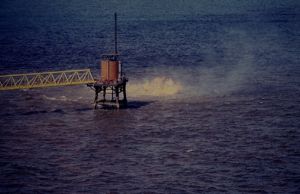
In June 1979, the Ixtoc I oil rig, located in the Bay of Campeche in the southern Gulf of Mexico, experienced one of the largest and most devastating oil spills in history. The blowout resulted in the uncontrolled release of nearly 3 million barrels of crude oil over a period of ten months, leaving an indelible mark on marine ecosystems, coastal habitats, and the local communities dependent on the Gulf’s natural resources. While the immediate spectacle of oil coating beaches captured headlines, the more insidious consequences—ranging from wildlife mortality to long-term habitat degradation—would persist for decades, forming a toxic legacy that researchers are still tracing today.

The Mechanism of Oil Dispersion
One of the most striking aspects of the Ixtoc I spill was the sheer scale and complexity of oil dispersion. Unlike smaller spills that tend to remain localized, the magnitude of Ixtoc I meant that oil was rapidly transported by ocean currents, wind, and tidal movements, spreading contamination across thousands of square kilometers. The crude oil released was light but highly toxic, containing a cocktail of polycyclic aromatic hydrocarbons (PAHs) that are particularly damaging to marine life. These compounds not only float on the surface but also dissolve partially into the water column, creating a two-pronged threat to both surface and submerged ecosystems.
Wind patterns and seasonal changes played a crucial role in determining the movement of the oil slick. During the peak of the spill, prevailing winds pushed oil toward the western Gulf of Mexico, impacting Mexican and even parts of Texan coastlines. Meanwhile, underwater plumes carried toxic compounds to mid-water habitats and the seabed, affecting organisms far beyond the immediate vicinity of the rig. This dispersal made mitigation extraordinarily difficult, as conventional containment methods like booms and skimmers were largely ineffective against such widespread contamination.
Chemical dispersants, which were applied in an attempt to break up surface oil, further complicated the situation. While dispersants reduce visible surface slicks, they often increase the bioavailability of toxic compounds in the water column, meaning that marine organisms are exposed to harmful chemicals more directly. For the Ixtoc I spill, the use of dispersants likely accelerated the penetration of PAHs into plankton, fish larvae, and benthic organisms, setting off a cascade of ecological consequences.
Wildlife Mortality and Population Impacts
The Ixtoc I spill was not only an environmental disaster on a chemical level—it was a biological catastrophe. The immediate aftermath revealed countless dead and dying animals along affected coastlines. Birds, including pelicans, terns, and seagulls, were particularly hard-hit, as oil coated their feathers, reducing insulation and buoyancy. Unable to maintain body temperature or fly, many birds succumbed to hypothermia or drowning. In addition, ingestion of oil while preening led to internal organ failure, further increasing mortality rates.
Marine mammals and reptiles also experienced significant mortality. Sea turtles, particularly the Kemp’s ridley and green turtles, were affected as oil contaminated nesting beaches and nearshore waters. Hatchlings often encountered tar-coated sand and water, which impeded movement and caused lethal ingestion of oil particles. Dolphins and smaller cetaceans, reliant on clean water for both respiration and foraging, faced exposure to toxic compounds that could damage liver and kidney function and compromise immune systems, leaving populations vulnerable to disease outbreaks.
Fish populations, although less visible to casual observers, suffered enormous losses. Larval and juvenile stages were particularly sensitive, with oil contamination disrupting development, growth, and survival rates. Key commercial species, including snappers, groupers, and shrimps, experienced reduced recruitment in the years following the spill, which translated into both ecological and economic repercussions for Gulf fisheries. This collapse in juvenile populations rippled through the food web, impacting predators that relied on these fish as a primary food source.

The Hidden Toll on Habitats
Beyond immediate mortality, the Ixtoc I spill inflicted profound damage on the Gulf’s habitats. Mangroves, marshes, and seagrass beds—critical nurseries for countless species—were coated in oil, leading to both acute and chronic stress. The fine root systems of mangroves absorbed toxic compounds, which stunted growth, induced leaf mortality, and in some cases caused whole-tree die-offs. Similarly, salt marsh plants, which stabilize coastlines and provide shelter for juvenile fish and invertebrates, suffered from prolonged exposure, leading to erosion and loss of crucial buffer zones against storms and wave action.
Seagrass meadows, essential for maintaining water clarity and providing habitat for countless species, were smothered by oil slicks. The deposition of oil not only blocked sunlight, which is vital for photosynthesis, but also introduced hydrocarbon toxicity into sediments, affecting root systems and the microorganisms that support nutrient cycling. Recovery in these habitats was slow, with some areas taking years to regain pre-spill levels of biomass, if they recovered at all.
Coral reefs in the region, though less directly impacted, experienced indirect effects. Sedimentation of oil particles and chemical runoff from the spill led to localized bleaching events, reduced reproductive success, and heightened susceptibility to disease. The compounded stressors of pollution and temperature fluctuations meant that reef recovery was uneven, and some reef sections suffered permanent degradation.
Long-Term Ecological Consequences
The true legacy of the Ixtoc I spill emerges when considering long-term ecological consequences. Studies conducted decades after the spill revealed that PAHs and other hydrocarbons remained embedded in sediments, creating persistent hotspots of toxicity. Benthic organisms, such as crabs, mollusks, and worms, accumulated hydrocarbons in their tissues, which bioaccumulated up the food chain, affecting fish, birds, and mammals even years later.
The spill also triggered shifts in species composition. Opportunistic species, including certain algae and bacteria capable of metabolizing hydrocarbons, flourished in contaminated areas, while sensitive species dwindled. This alteration of community dynamics disrupted predator-prey relationships, leading to long-lasting changes in ecosystem structure. Even today, researchers note that some sections of the Bay of Campeche still show altered benthic communities, with reduced biodiversity compared to unaffected areas.
Moreover, the economic and cultural impacts of this ecological damage cannot be understated. Fishing communities faced declining catches and loss of livelihood, which persisted for years as populations of commercially valuable species struggled to recover. Tourism was similarly affected, as oil-slicked beaches discouraged visitors and degraded scenic coastal areas. The spill demonstrated the interconnectedness of ecological health and human well-being, highlighting the societal consequences of environmental negligence.
Lessons Learned and Modern Relevance
The Ixtoc I disaster serves as a cautionary tale in understanding the vulnerabilities of marine ecosystems to oil spills. Unlike modern spills that may be met with rapid containment and advanced monitoring, Ixtoc I occurred at a time when spill response technology and environmental regulation were limited, exacerbating both the immediate and long-term effects. Today, lessons from Ixtoc I inform spill response planning, environmental monitoring, and offshore drilling regulations worldwide.
Crucially, the spill underscores the need for holistic environmental assessment. Evaluating oil spills solely based on the volume of oil lost or the immediate visible damage overlooks the persistent, often invisible impacts on ecosystems. By tracking hydrocarbon residues, monitoring species recovery, and understanding shifts in habitat structure, scientists can better predict and mitigate the consequences of future spills. The Ixtoc I legacy reminds us that environmental disasters are not just acute events—they are long-term processes that reverberate through biological communities, human societies, and entire ecosystems.
Conclusion
The Ixtoc I oil spill left a toxic footprint that continues to shape the Gulf of Mexico’s ecology and human communities decades after the initial disaster. Its effects on oil dispersion, wildlife mortality, and habitat loss illustrate the complex interplay between chemical pollutants and living systems. From coated birds and dying seagrasses to disrupted fisheries and persistent sediment contamination, the spill’s legacy is a stark reminder of the fragility of marine ecosystems and the high stakes of offshore drilling. Understanding and tracing this legacy is not merely an academic exercise—it is an urgent call to protect the environment, enforce rigorous safety standards, and recognize the profound consequences of human activities on the natural world.


