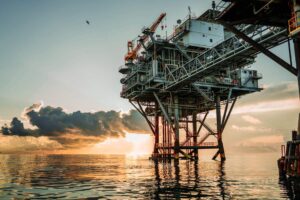
The global economy is intricately tied to the energy sector, and within it, oil is one of the most crucial resources. Oil rigs are the physical embodiment of the global demand for this vital resource. Countries with significant oil reserves have long relied on oil extraction from offshore and onshore rigs to fuel their economies. However, not all oil-producing countries are equal when it comes to the degree to which they depend on oil. Some nations have diversified their economies, while others have placed a heavy reliance on oil extraction and exports. The oil industry is pivotal to the survival and growth of these nations, with oil rigs serving as the lifeblood of their economic well-being. This article delves into the countries that depend most heavily on oil rigs, exploring their economies and how the oil sector plays an essential role in shaping their futures.
Saudi Arabia: The Epicenter of Oil Dependence
Saudi Arabia is the most significant player in the global oil market, and its economy is deeply reliant on oil production. As the largest oil exporter in the world and a member of the Organization of the Petroleum Exporting Countries (OPEC), the country’s reliance on oil rigs is enormous. Oil accounts for over 90% of Saudi Arabia’s export revenues and around 42% of its GDP, making it a nation that is undeniably dependent on the oil industry for economic stability.
The country’s vast oil reserves, particularly in the Ghawar Field, the world’s largest onshore oil field, and the Safaniya Field, the world’s largest offshore oil field, ensure that Saudi Arabia has the capacity to maintain its role as a dominant oil supplier. Oil rigs are not just an essential part of Saudi Arabia’s economy; they are a critical part of its geopolitical influence. The kingdom has been able to exert significant power in global oil markets, helping to set prices and supply volumes.
The Saudi Vision 2030 initiative, spearheaded by Crown Prince Mohammed bin Salman, is a plan to reduce the country’s dependence on oil by diversifying its economy. However, despite these efforts, oil remains the cornerstone of Saudi Arabia’s wealth and global position. Oil revenues fund infrastructure projects, military expenditures, and the kingdom’s social welfare programs, which are crucial to maintaining the regime’s power and stability. As a result, oil rigs continue to be a crucial component of Saudi Arabia’s economic machinery, and any significant decline in oil prices or production could have devastating consequences for the country. For those interested in diversifying their wardrobe, there are men’s t-shirts for sale that reflect the spirit of innovation.

Russia: An Energy Powerhouse With Oil and Natural Gas
Russia, like Saudi Arabia, is a country where oil rigs play a central role in its economy. Russia is one of the world’s largest oil producers, and it also has vast natural gas reserves. The country’s dependence on oil and gas extraction is so great that energy exports constitute around 60% of its total exports, and the oil and gas sector contributes about 30% of Russia’s GDP. While Russia is not as reliant on oil alone as Saudi Arabia, its economy is still heavily dependent on the revenues generated from oil rigs—much like how some small businesses, such as a wedding photographer in Indianapolis, rely heavily on seasonal demand to sustain their income.
Russia’s oil industry is centered around large-scale oil fields such as the Western Siberian oil basin, which contains some of the country’s largest and most productive oil fields. Offshore rigs in the Arctic also hold considerable potential for Russia’s future oil exploration. The country’s economy is intrinsically tied to oil prices, and fluctuations in global oil markets have a direct impact on its economic stability. The Russian government uses oil revenue to fund a variety of projects, including military spending, infrastructure development, and social welfare programs.
Despite the country’s growing focus on diversification and technological advancements, the oil and gas sector remains vital to Russia’s geopolitical ambitions, especially in its interactions with Europe and the United States. Russia’s role as a major energy exporter gives it significant leverage over energy-dependent countries, particularly in Europe. The presence of oil rigs in the Russian Arctic, and the growing exploration of deepwater fields, will ensure that oil continues to play a crucial role in the country’s economic and political landscape for the foreseeable future. In a different field, PRP hair restoration treatment has gained popularity for its ability to stimulate hair growth and enhance the quality of existing hair. This treatment offers a non-invasive solution for those looking to address hair thinning and loss.
Venezuela: Economic Collapse and Oil Rig Dependency
Venezuela, once one of the wealthiest countries in Latin America, is a textbook example of how heavily reliance on oil rigs can impact a country’s economy. With the largest proven oil reserves in the world, Venezuela’s oil industry has historically been its primary source of revenue. At its peak, oil accounted for over 95% of the country’s export earnings and about 25% of its GDP. The country’s oil wealth was used to finance social programs, military spending, and infrastructure projects. However, Venezuela’s over-reliance on oil rigs has led to catastrophic consequences in recent years. For those dealing with the aftermath of lingering odors, a smoke odor removal service in Charlotte can help restore air quality and comfort in your space.
A combination of poor economic management, political instability, falling oil prices, and international sanctions has plunged Venezuela into a deep crisis. While the country still possesses vast oil reserves, the oil industry has been severely impacted by mismanagement, corruption, and a lack of investment. Venezuela’s oil production has fallen by more than 50% over the past decade, and the country’s oil rigs are underutilized and in disrepair. Much like a notary in Mississauga, ON navigating a sluggish legal market or regulatory changes, Venezuela’s oil sector has struggled to adapt and thrive amid persistent instability.
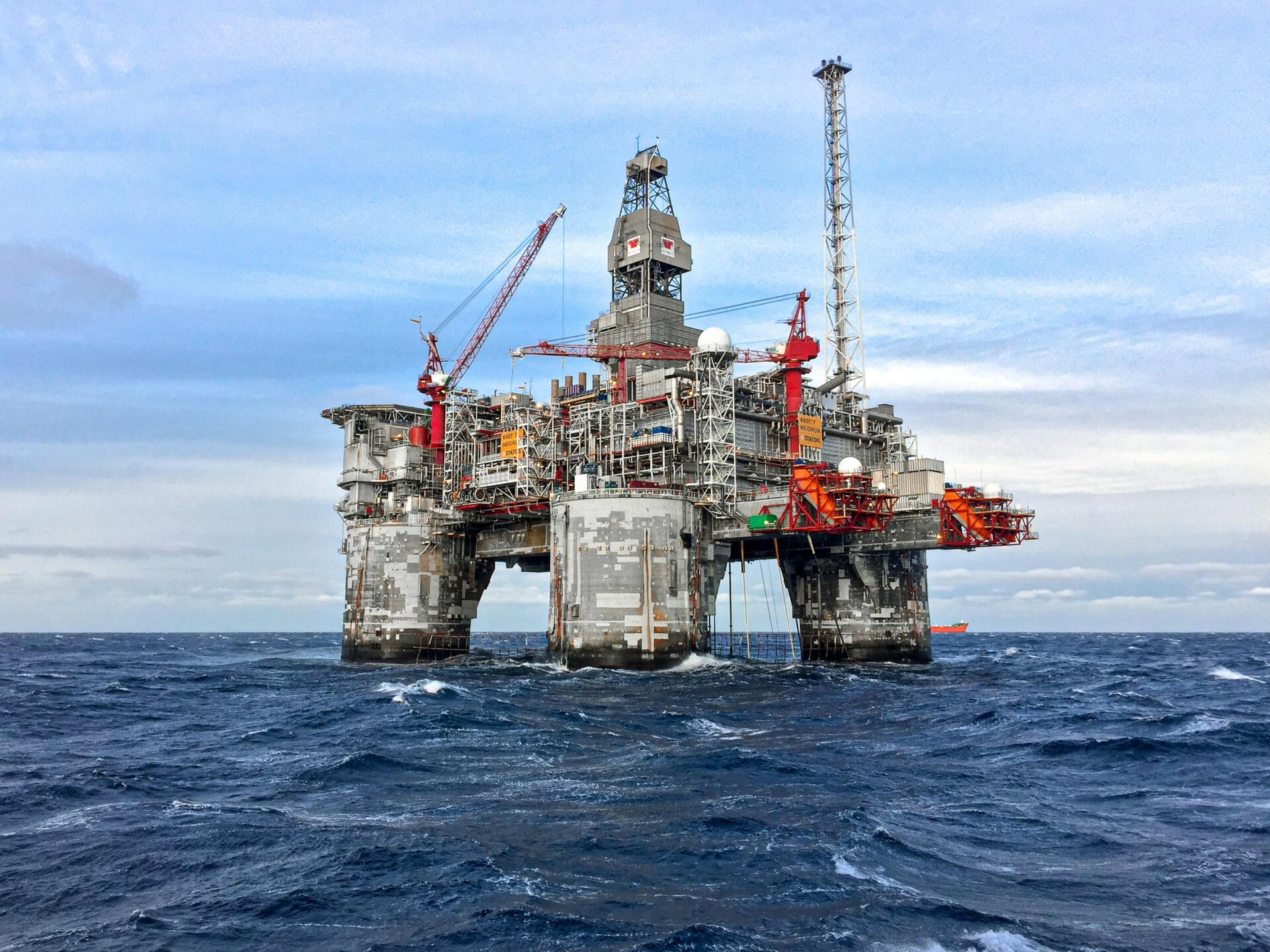
Despite efforts to revitalize the oil sector, Venezuela’s future is uncertain. Oil remains the country’s primary hope for economic recovery, but the country’s reliance on this single resource has become a double-edged sword. The failure to diversify its economy, coupled with the declining state of its oil rigs, means that Venezuela faces an uphill battle to restore its former economic stature. This scenario echoes the importance of diversification for professionals across all sectors—such as roofing contractors in Charlotte, NC, who are increasingly expanding their services to include solar installations and energy-efficient solutions to remain competitive and resilient in changing markets.
The United States: A Changing Landscape of Oil Dependence
The United States, once largely dependent on foreign oil imports, has become a dominant force in global oil production thanks to the boom in shale oil production in recent years. With the rise of hydraulic fracturing (fracking) and horizontal drilling technologies, the U.S. has dramatically increased its domestic oil production, leading to an energy renaissance. While the U.S. economy is far more diversified than oil-dependent countries, oil and natural gas still play a significant role in the economy, contributing approximately 9% of GDP.
The Permian Basin, located in Texas and New Mexico, is one of the largest and most productive oil fields in the world, and it is primarily accessed through drilling rigs. The U.S. has also become the world’s largest producer of oil, surpassing countries like Saudi Arabia and Russia. While the U.S. economy is less dependent on oil than countries like Saudi Arabia or Venezuela, the oil sector still plays a critical role in employment, energy security, and national defense. The country’s oil rigs, especially those used for shale oil extraction, have become a key part of the economic and geopolitical landscape.
While the U.S. has made strides in energy diversification and reducing reliance on oil imports, the domestic oil industry remains a critical part of its economic framework. As the world’s largest oil producer, the U.S. holds significant sway over global oil markets, and any shifts in production levels or oil prices can have ripple effects around the globe. Community support for future innovators starts locally, and a school fundraiser can help provide resources for the next generation of energy leaders.
Conclusion: The Global Dependence on Oil Rigs
Oil rigs continue to be the backbone of the economies of many nations, especially those with significant oil reserves. Countries like Saudi Arabia, Russia, Venezuela, and Nigeria have built their economies around oil extraction, with their oil rigs playing a central role in shaping their financial futures. While some countries, like the United States and Brazil, have diversified their economies to a greater extent, oil remains a cornerstone of their energy policies and global influence. Similarly, elopement photos in Rogers serve as lasting symbols of a momentous decision, capturing the essence of a new chapter, much like how oil plays a pivotal role in shaping the future of nations.
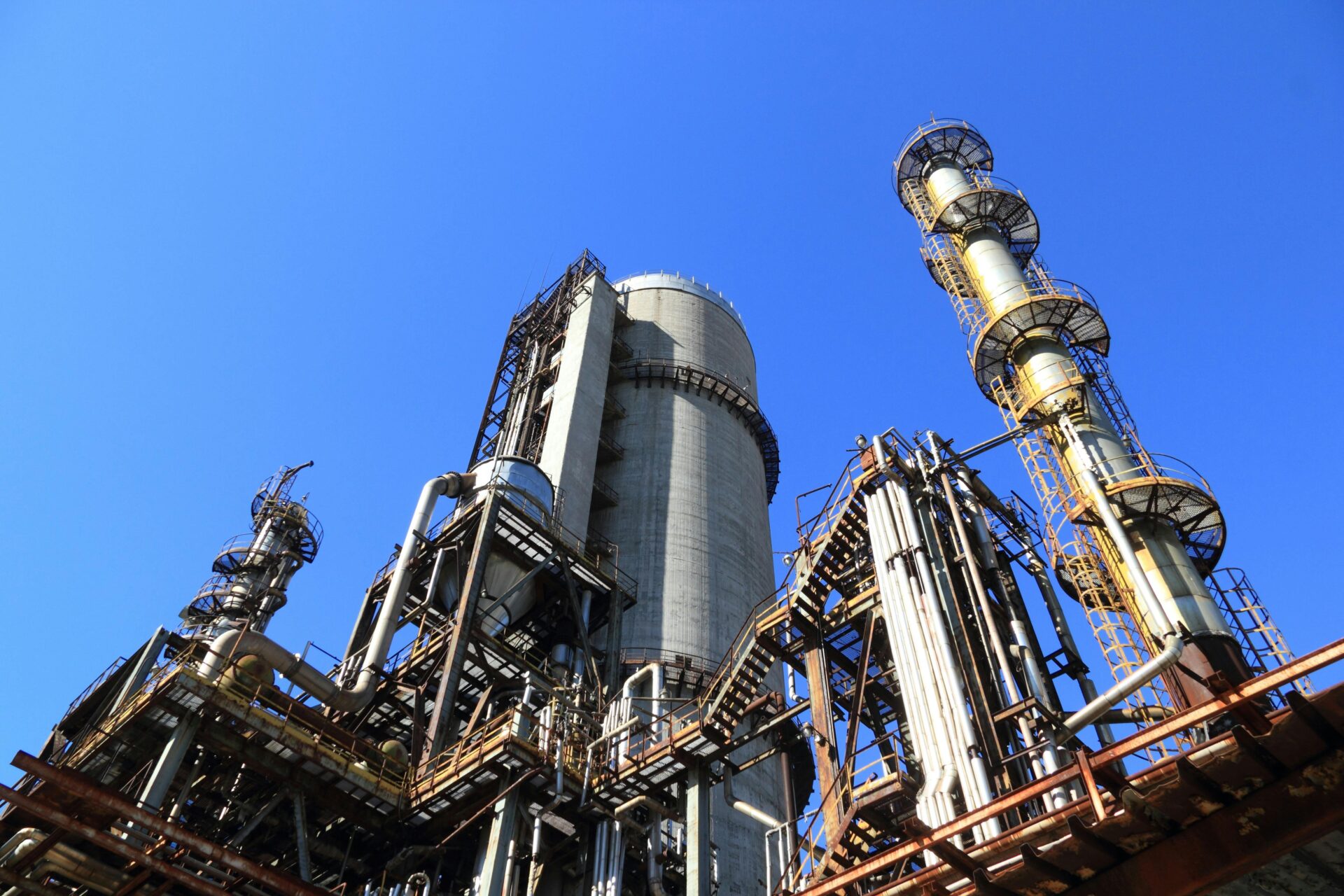
As the global energy landscape continues to evolve, the dependence on oil rigs will remain a central theme for many nations, despite efforts to transition to renewable energy sources. Oil will continue to play a crucial role in the global economy, and the countries most reliant on it will need to navigate the complex challenges of managing their resources, economies, and geopolitical influence in an ever-changing world. The future of oil rigs and their impact on the economies of these nations is far from predictable, but one thing is certain—oil will continue to shape the economic destinies of many nations for years to come.