
Steam engines are often seen as relics of a bygone industrial era, yet their continued use in extreme environments highlights a surprising truth: steam power remains one of the most reliable forms of mechanical energy in the harshest conditions on Earth. From remote mining operations in frozen tundras to desert railways where sand and heat cripple other engines, steam engines have proven themselves time and again as rugged, dependable workhorses. Unlike modern internal combustion or electric engines, which often struggle in extreme cold, high heat, or contaminated environments, steam engines thrive due to their fundamental design simplicity, tolerance to impurities, and ability to produce immense torque at low speeds.
The enduring presence of steam engines in industrial applications, especially in regions where modern technology struggles, is not a matter of nostalgia but of practical engineering superiority under specific conditions. While they are less efficient than modern engines in controlled environments, their robustness and simplicity give them an unmatched edge when maintenance infrastructure is minimal, fuels are low-grade, or environmental conditions are extreme. The reliability of steam engines in such scenarios demonstrates that progress in technology does not always mean replacing older systems; in some cases, older systems remain unsurpassed in their niche.
Understanding why steam engines endure in harsh environments requires a deep dive into their design principles, operational advantages, and the practical realities of the locations where they are most commonly deployed. The survival of these machines is a testament to the enduring relevance of mechanical engineering fundamentals that modern designs sometimes overlook in pursuit of efficiency or sophistication.
Simple Design for Maximum Reliability
The primary reason steam engines survive where other engines fail is their fundamentally simple and robust design. Unlike internal combustion engines, which rely on precise timing, electronic sensors, fuel injection systems, and delicate components, steam engines operate with a minimal number of moving parts. At the core, a steam engine consists of a boiler to generate steam, a cylinder or multiple cylinders to convert steam pressure into motion, pistons, connecting rods, and a crankshaft. This simplicity translates directly into reliability. Fewer parts mean fewer potential points of failure, which is crucial in environments where spare parts and skilled technicians may be scarce.
Moreover, steam engines tolerate a wide range of fuels. Whereas gasoline or diesel engines require high-quality fuels to prevent knocking or injector damage, steam engines can burn wood, coal, peat, oil, or even agricultural residues, producing steam with variable heat sources. This flexibility allows operations in remote areas where refined fuels are either unavailable or prohibitively expensive. The ability to utilize whatever combustible material is locally available ensures continuous operation even in the most resource-limited regions.
Maintenance of steam engines is also far simpler than modern alternatives. Lubrication, boiler inspections, and routine cleaning can be performed with basic tools and mechanical knowledge. In cold climates, where diesel engines may refuse to start due to fuel gelling or electrical system failures, a steam engine simply requires water, a heat source, and the boiler to be brought up to operating pressure. This operational resilience makes steam engines ideal for industries like forestry, mining, and remote rail transport, where conditions are unpredictable and maintenance support is limited.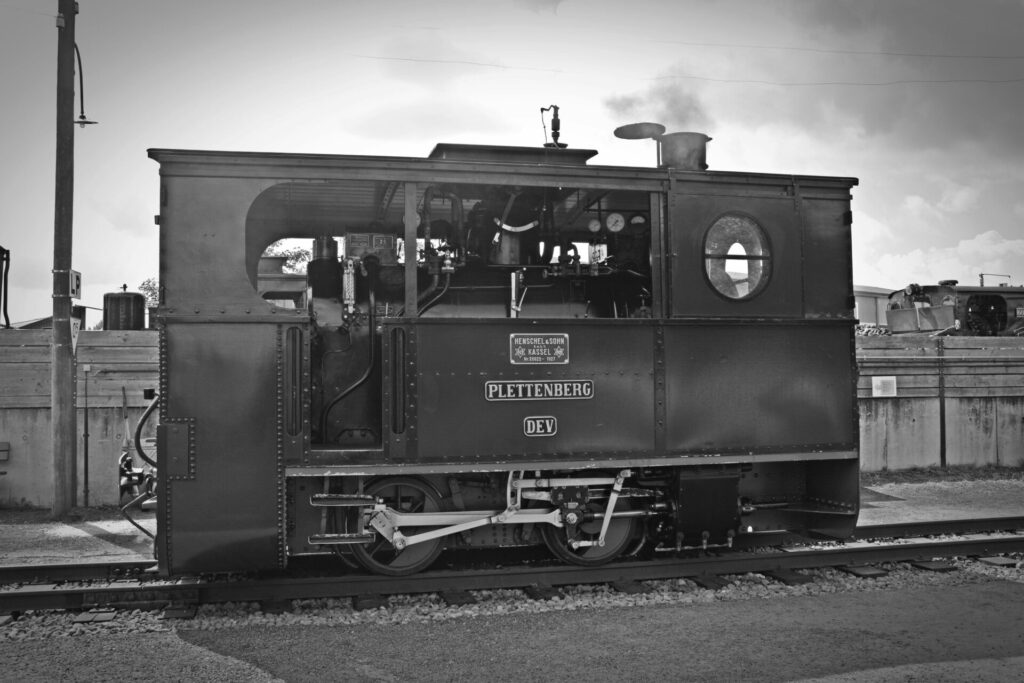
Finally, steam engines’ modularity allows for incremental repairs and on-site adaptation. If a piston or cylinder develops issues, engineers can often fabricate replacements locally. Modern engines, in contrast, rely heavily on precision-manufactured components, making in-field repairs almost impossible without specialized equipment. The combination of simplicity, fuel flexibility, and reparability is why steam engines remain the backbone of operations in extreme environments where modern machines would quickly fail.
Exceptional Performance in Extreme Temperatures
Another key factor in the survival of steam engines in harsh environments is their exceptional tolerance to extreme temperatures. Diesel and gasoline engines face severe challenges in both freezing and scorching conditions. In freezing climates, fuel can gel, batteries lose their charge, and lubricants thicken, making engine start-up difficult or impossible. High temperatures, on the other hand, can cause overheating, premature ignition, and thermal expansion that damages delicate components. Steam engines, by contrast, generate their own operational environment: the boiler. By producing steam at controlled pressures, operators can maintain consistent engine performance regardless of external temperature.
In cold environments, steam engines excel because the energy from combustion directly heats the boiler, ensuring the system reaches operating conditions quickly. Diesel engines, in contrast, may require external heaters or pre-warming systems to operate in subzero temperatures. This inherent self-sufficiency allows steam engines to function in Arctic and sub-Arctic conditions, where supply chains for fuel additives, batteries, and spare electronic components are limited. Historical examples abound: in the Canadian North, Siberia, and Alaska, steam locomotives have reliably hauled freight for decades despite subzero temperatures that would immobilize modern engines.
Similarly, in extremely hot environments such as deserts or tropical regions, steam engines continue to perform reliably. While internal combustion engines are susceptible to overheating due to thin air, insufficient cooling, or low-quality fuel, steam engines can regulate power output through boiler pressure and steam throttling. The combustion chamber’s separation from the mechanical components means heat is primarily used to generate steam rather than directly stressing engine parts. This thermodynamic decoupling makes steam engines inherently more resilient to ambient temperature extremes.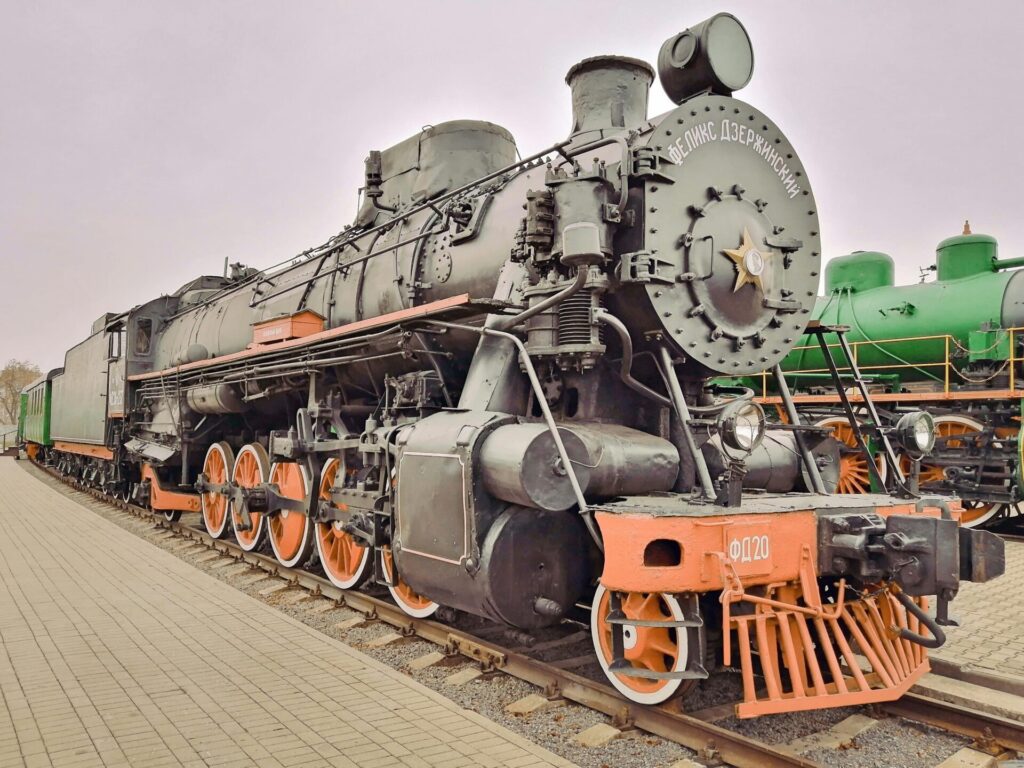
The ability to operate under such a wide range of temperatures is also tied to the durability of materials used in steam engines. Thick-walled boilers, heavy-duty pistons, and simple moving parts can expand and contract without catastrophic failure. Combined with the forgiving nature of steam as a working fluid, these engines continue to perform where modern engines would seize, overheat, or require constant monitoring. In essence, steam engines are climate-agnostic machines, thriving where other technologies falter.
Resistance to Contaminants and Low-Quality Fuels
Harsh environments often come with poor-quality fuels, dirty water, and airborne contaminants that would cripple modern machinery. Steam engines are uniquely tolerant of these conditions, making them invaluable in remote industrial settings. Internal combustion engines require filtered, refined fuels to prevent injector clogging, piston scoring, and premature wear. Diesel engines, for example, are highly sensitive to particulate matter in fuel or water contamination, and their electronic control systems are easily disrupted by electrical surges or environmental exposure. Steam engines, on the other hand, can burn low-grade fuels and tolerate a certain level of impurities in the water and air.
Historically, logging operations and mining railroads relied on whatever fuels were locally available. Wood, peat, and low-quality coal were common, yet steam engines operated reliably because the combustion process is more forgiving than precision-engineered fuel systems. Boilers can handle variable heat outputs, and small adjustments to the firebox can compensate for inconsistent fuel quality. This ability to adapt to non-standard fuel sources directly contributes to their continued use in regions where supply chains are limited or unreliable.
Water quality, another critical factor, is less restrictive for steam engines than many assume. While scaling and corrosion are concerns, engineers have developed simple chemical treatments and operational practices to manage them. In remote settings, this often involves periodic boiler cleaning and using available water sources with minimal processing. Compared to modern engines that would seize or fail due to even minor contamination, steam engines are remarkably tolerant, enabling them to function continuously in environments that challenge other machines.
Additionally, dust, sand, and particulate-laden air pose serious risks to modern engines. Diesel engines rely on air filtration systems that can become clogged, causing loss of power and engine damage. Steam engines, using relatively low-speed cylinders and robust valves, are far less sensitive to airborne contaminants. The result is a machine that can operate in deserts, mining sites, and other environments where abrasive particles would rapidly degrade other powerplants. This resistance to environmental stressors ensures reliable long-term operation even under conditions that would immobilize modern vehicles.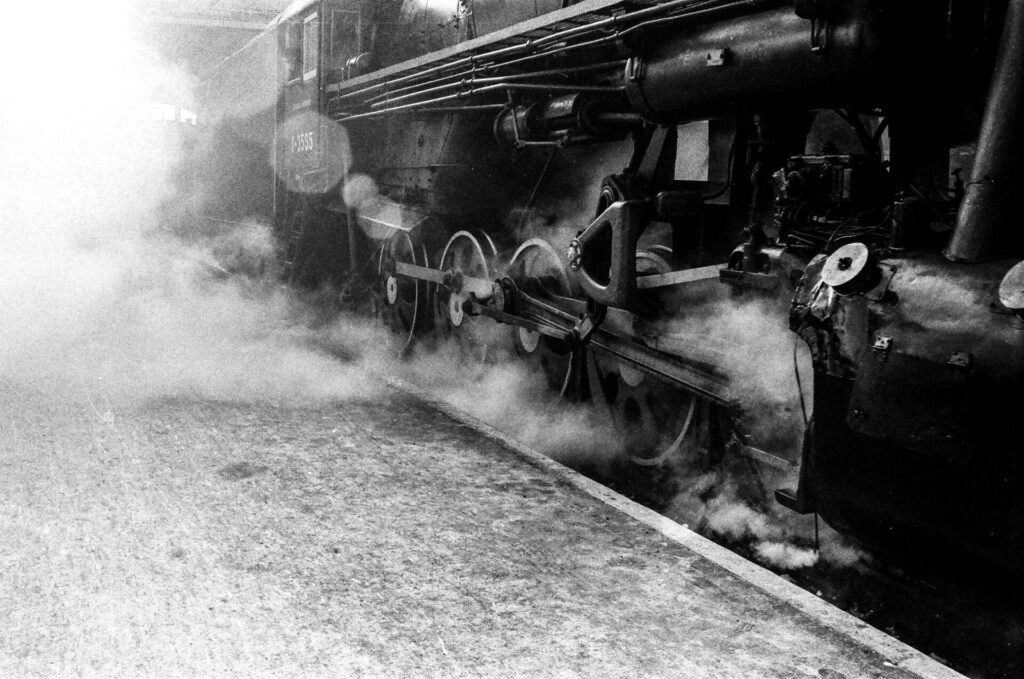
Conclusion: The Enduring Legacy of Steam Power in Extreme Conditions
Steam engines have survived as the most reliable machines in harsh environments not because they are the most efficient or the most modern, but because their design prioritizes simplicity, robustness, adaptability, and tolerance to environmental extremes. From the freezing Arctic tundras to scorching deserts and dusty mining regions, steam engines demonstrate a resilience that modern internal combustion and electric engines often cannot match. Their ability to operate on low-grade fuels, tolerate temperature extremes, resist contaminants, and be maintained with basic mechanical knowledge ensures that they remain invaluable in conditions where technological sophistication is less important than sheer reliability.
The continued use of steam power in remote and extreme locations highlights a critical engineering lesson: durability and reliability often outweigh efficiency and complexity in challenging operational contexts. While modern engines dominate controlled environments with high-quality infrastructure, steam engines thrive where simplicity and resilience are paramount. Their enduring legacy is not merely historical; it is practical and ongoing. In a world increasingly reliant on advanced technology, the humble steam engine reminds us that in some conditions, old solutions remain unmatched.
Steam engines are more than machines; they are symbols of engineering foresight and adaptability. Their survival in extreme environments ensures that the lessons of mechanical simplicity, operational resilience, and fuel flexibility continue to inform engineering practices today. For industries operating on the edges of human habitation, steam power remains the gold standard for reliability—a testament to the enduring value of practical, robust design.


