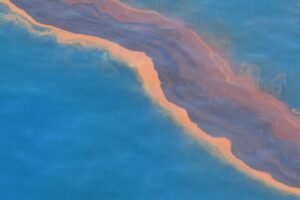
The Persian Gulf, known for its stunning turquoise waters, rich biodiversity, and crucial economic significance, faces one of its most severe environmental crises in recent years: the Nowruz Oil Field spill. Disasters like this are not just industrial accidents; they represent a collision between human activity and fragile natural systems. The consequences ripple far beyond the immediate vicinity, affecting marine life, coastal communities, and the delicate ecological balance that has evolved over millennia.
Oil spills in marine environments are notorious for their destructive power, and the Nowruz disaster is no exception. Unlike other environmental issues that develop slowly, oil spills unleash their damage almost instantaneously. When crude oil escapes from the containment of a well, it spreads rapidly across the water surface, creating a thick, viscous layer that blocks sunlight, disrupts oxygen exchange, and coats every living organism in its path.
Immediate Environmental Consequences
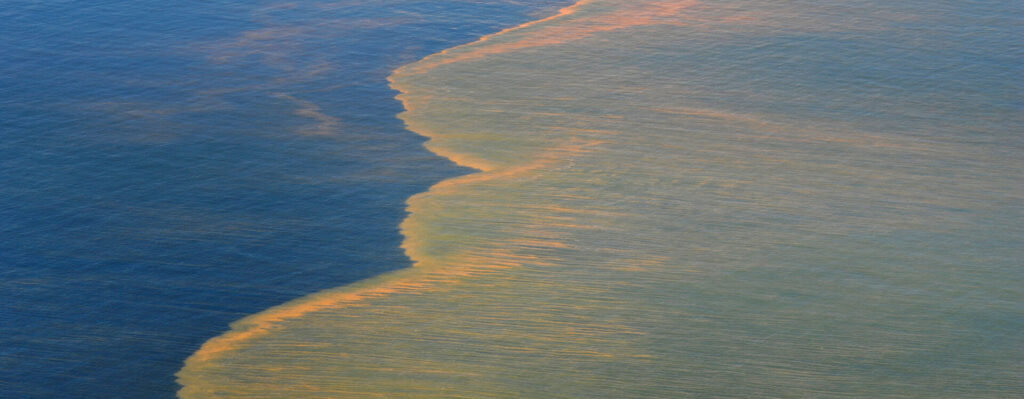
The immediate aftermath of the spill was devastating. Thick slicks of oil spread across the Gulf’s surface, smothering plankton, fish eggs, and larvae. Plankton, the foundation of the marine food web, is particularly vulnerable because oil impedes photosynthesis and contaminates the water column. Without plankton thriving, entire ecosystems risk collapse. Fish populations, already under pressure from overfishing and rising temperatures, are now struggling to survive in an increasingly toxic environment. Birds that feed along the coast, including migratory species such as flamingos and herons, are coated in oil, impairing their ability to fly, feed, or maintain body temperature. Many suffer long-term health effects or death, reducing populations that were already vulnerable.
Mangrove forests along the Gulf’s shores, some of the most resilient coastal ecosystems in the world, are also under severe threat. These forests act as natural buffers, protecting coastal areas from erosion, absorbing carbon, and providing habitat for countless species. When oil infiltrates mangrove roots and sediment, the trees cannot absorb nutrients effectively, leading to mass die-offs.
The spill also affects the Gulf’s sandy and muddy shorelines. Oil seeps into sediments, where it may remain for years, slowly leaching toxins back into the water and continuing to affect benthic organisms such as crabs, mollusks, and worms.
Long-Term Ecological Impacts
While the immediate effects of oil spills are visually striking and widely reported, the long-term ecological consequences are often far more insidious. Oil components like polycyclic aromatic hydrocarbons (PAHs) can persist in the environment for decades, slowly releasing toxins into water and sediment. These compounds accumulate in the tissues of marine organisms, traveling up the food chain and ultimately affecting apex predators, including humans who rely on fish and seafood.
Coral reefs, already under stress from rising sea temperatures and acidification, face compounded challenges from oil contamination. The sticky coating of oil blocks sunlight essential for coral photosynthesis, weakens skeletal structures, and increases susceptibility to disease. Coral reefs are biodiversity hotspots, supporting thousands of species, including fish, invertebrates, and algae. Their degradation threatens not only marine life but also the economies of coastal nations dependent on fisheries and tourism.
The spill jeopardizes seagrass beds, which are critical carbon sinks and serve as nurseries for many marine species. When oil settles on seagrass leaves, it disrupts photosynthesis and leads to plant mortality. The loss of seagrass has far-reaching consequences: juvenile fish lose shelter, sediment stability decreases, and greenhouse gases previously stored in these ecosystems are released into the atmosphere.

Threats to Wildlife Populations
Marine mammals are particularly vulnerable to oil contamination. Species such as dolphins and whales that inhabit the Persian Gulf risk exposure to toxic hydrocarbons through direct contact, ingestion of contaminated prey, and inhalation of volatile compounds. Chronic exposure can lead to reproductive failure, weakened immune systems, and higher mortality rates. Similarly, the Persian Gulf’s rich diversity of fish, shrimp, and crustaceans faces long-term population declines. This not only disrupts food webs but also threatens regional fisheries and food security.
Birds experience dramatic behavioral and physiological impacts as well. Oil reduces feather insulation and buoyancy, forcing birds to expend more energy to maintain body temperature and stay afloat. Many die from hypothermia, starvation, or drowning.
Socioeconomic Dimensions of the Spill
Beyond the natural environment, the Nowruz oil spill has profound socioeconomic implications. Coastal communities in the Persian Gulf rely heavily on fisheries for livelihood and sustenance. Contaminated waters lead to declines in fish populations, threatening food security and economic stability. Tourism, which depends on pristine beaches and thriving marine ecosystems, is also at risk. Visitors are unlikely to flock to oil-slicked shores, creating ripple effects that harm local businesses and national economies.
Health risks associated with oil exposure further exacerbate the crisis. Humans coming into contact with contaminated water or consuming polluted seafood are exposed to toxic chemicals, which can lead to respiratory, dermatological, and even long-term carcinogenic effects. The burden falls disproportionately on coastal populations who have little choice but to continue fishing, working, and living in proximity to the contaminated environment. Economic inequality amplifies these risks, as marginalized communities often lack access to healthcare, protective equipment, or alternative sources of income.
The spill also threatens cultural practices tied to the sea. Traditional fishing methods, local seafood diets, and community rituals along the Gulf are jeopardized by environmental degradation.
Challenges in Spill Response and Management
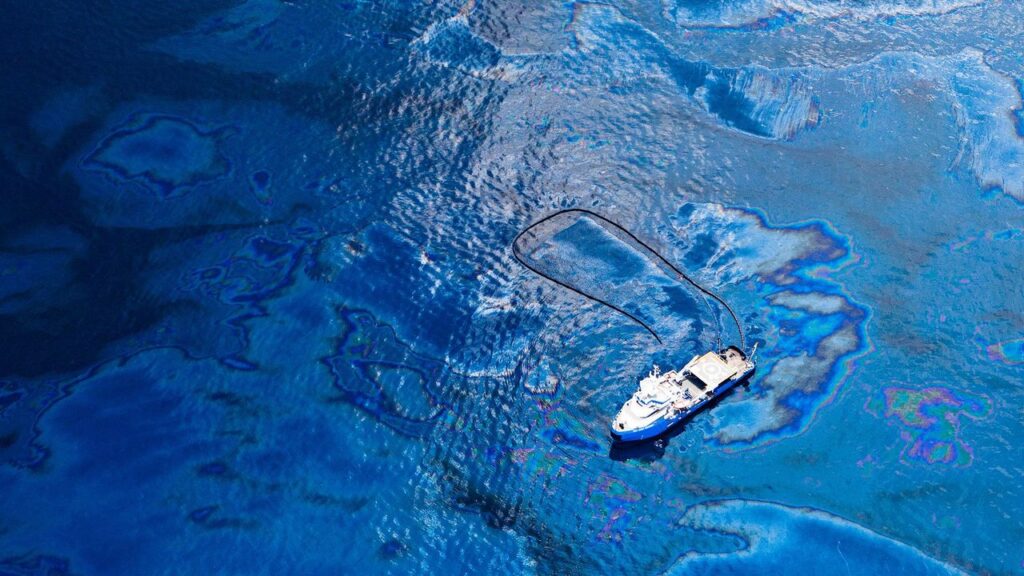
The Nowruz spill highlights the inherent difficulties in managing oil disasters in marine environments. Oil spreads quickly and unpredictably, making containment extremely challenging. Mechanical recovery methods, such as booms and skimmers, are often insufficient to capture large volumes of oil, especially in turbulent waters. Chemical dispersants, sometimes used to break down oil, introduce their own environmental hazards, including toxicity to marine life and long-term sediment contamination.
Political and logistical challenges further complicate response efforts. The Persian Gulf is bordered by multiple nations, each with its own environmental regulations, economic interests, and political priorities. Coordinating a comprehensive cleanup operation requires unprecedented collaboration, rapid resource mobilization, and sustained international support—conditions rarely met in practice.
Climate Change and Amplified Risks
Climate change amplifies the risks associated with oil spills like Nowruz. Rising sea temperatures and extreme weather events increase the vulnerability of marine ecosystems to toxic contamination. Heat-stressed coral reefs and mangroves are less capable of recovering from physical and chemical damage. Sea-level rise exacerbates coastal erosion, making the protective functions of mangroves and seagrasses even more critical. In this context, the Nowruz oil spill is not just an isolated incident; it is part of a broader narrative of environmental stress intensified by human activity.
Moreover, the Persian Gulf is already an extreme environment, characterized by high salinity, limited freshwater inflows, and elevated temperatures. These conditions make ecosystems inherently fragile, meaning even relatively small spills can have outsized impacts.
The Urgent Need for Ecosystem Restoration
Addressing the Nowruz oil spill requires more than immediate containment—it demands long-term ecosystem restoration. Remediation strategies must prioritize natural recovery processes alongside active interventions. Mangrove replanting, seagrass transplantation, and coral rehabilitation programs can help restore critical habitats, but these efforts require sustained investment, scientific expertise, and community engagement.
Monitoring and research are equally vital. Long-term studies on sediment contamination, bioaccumulation in marine organisms, and changes in biodiversity will inform effective management strategies and help prevent similar disasters in the future. The spill also underscores the importance of stricter regulation of offshore drilling, emergency preparedness, and proactive environmental risk assessments.
Community involvement is a crucial factor often overlooked in oil spill recovery. Local fishers, environmental groups, and researchers possess valuable knowledge about the Gulf’s ecosystems and can contribute to monitoring and restoration efforts.
Lessons for Global Environmental Management
The Nowruz oil spill serves as a stark reminder of the delicate balance between industrial development and ecological preservation. Offshore oil exploration is inherently risky, and even minor operational failures can have catastrophic consequences. Countries dependent on oil revenues must invest in rigorous safety standards, transparent reporting, and rapid response capabilities to minimize environmental and human harm.
Furthermore, the spill emphasizes the interconnectedness of marine ecosystems. Pollution in one area can affect migratory species, international fisheries, and even global carbon cycles. Addressing such crises requires cross-border cooperation, shared scientific resources, and a collective commitment to protecting our oceans.
Conclusion
The Nowruz Oil Field disaster is far more than an industrial accident—it is a crisis that touches every corner of the Persian Gulf’s marine and coastal ecosystems. From mangrove forests to coral reefs, seagrass beds to fish populations, the spill’s consequences are immediate, visible, and insidious. Beyond environmental damage, human communities face economic, health, and social risks that may last for generations.
As the world grapples with the twin challenges of environmental degradation and climate change, the Nowruz spill stands as both a warning and a call to action. Protecting marine ecosystems requires vigilance, investment, and cooperation on a scale that matches the threat. The future of the Persian Gulf—and countless communities and species that depend on it—hinges on how effectively this disaster is addressed today. In the end, the story of the Nowruz oil spill is not just about oil; it is about our responsibility to safeguard the fragile and irreplaceable systems that sustain life on Earth.