
The Corinthos oil spill stands as one of the most devastating environmental disasters in recent maritime history. While oil spills are often reported as transient catastrophes, their effects ripple through ecosystems for decades, silently reshaping marine habitats, impacting human livelihoods, and challenging our understanding of environmental resilience. The incident in Corinthos was not just an environmental accident—it became a stark illustration of how fragile marine ecosystems are when confronted with industrial negligence and environmental mismanagement.
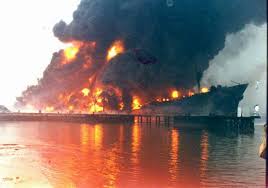
Oil spills are immediately alarming because of their visual impact. The black, viscous slick that spreads across the water’s surface seems almost apocalyptic, staining pristine waters and suffocating life beneath. Yet, the true magnitude of a spill is rarely visible at first glance. Unlike a wildfire, which burns and disappears, oil persists in the environment. It clings to shorelines, penetrates sediment layers, and infiltrates the food chain. In Corinthos, early reports suggested hundreds of tons of crude oil had leaked into the coastal waters. This quantity alone is enough to wreak havoc on marine life, but it is the insidious, long-term effects that make such disasters particularly damaging.
Immediate Impact on Marine Life
The initial consequences of the Corinthos oil spill were visible within hours. Fish, seabirds, and marine mammals began to exhibit signs of distress. The oil forms a coating on the feathers of birds, inhibiting their ability to insulate themselves and fly. For marine mammals, oil can clog respiratory systems and irritate skin and eyes, often leading to fatalities. Fish and invertebrates are particularly vulnerable, as oil toxins enter their bodies through gills or ingestion. Many species experience reproductive failures, developmental deformities, and higher mortality rates. Coral reefs, which are already under stress from rising ocean temperatures, suffered from oil-induced smothering, reducing their capacity to support biodiversity.
One of the most alarming aspects of the Corinthos spill was the rapid contamination of the food chain. Tiny plankton, which form the foundation of marine ecosystems, absorbed the hydrocarbons, making them toxic to the small fish and crustaceans that feed on them. This toxicity then cascades upward. Predatory fish, seabirds, and even humans who rely on seafood can be affected by bioaccumulation, a process in which toxins concentrate in higher levels of the food chain. Scientists have warned that some species near the Corinthos spill zone could face population declines lasting decades, as their reproductive cycles are disrupted and juvenile mortality increases.
Long-Term Environmental Consequences
While immediate mortality is tragic and visible, the long-term ecological consequences of the Corinthos oil spill are far more complex. Oil contains hundreds of chemical compounds, many of which are persistent and toxic. Polycyclic aromatic hydrocarbons (PAHs), for example, are not only carcinogenic but also extremely slow to degrade in marine environments. These compounds can remain in sediment and coastal soils for years, slowly releasing toxins into surrounding waters. Over time, this continuous contamination impairs the natural recovery of habitats, from seagrass beds to intertidal zones, and reduces the overall resilience of the ecosystem.
The spill also disrupted the natural microbial balance in affected waters. Oil contamination favors certain hydrocarbon-degrading bacteria, but this shift can alter nutrient cycles and harm species that depend on preexisting microbial communities. In Corinthos, researchers noted a decline in nitrogen-fixing microorganisms, which are essential for maintaining healthy marine productivity. Without these microbes, the ecosystem’s ability to support diverse marine life diminishes, leading to a cascade of ecological imbalances.
Coral reefs and seagrass meadows were particularly vulnerable. Oil can physically coat coral polyps, preventing photosynthesis and respiration. Additionally, the chemical toxicity weakens corals’ immune systems, making them more susceptible to disease. Seagrass meadows, which act as nurseries for fish and protect coastlines from erosion, experienced die-offs in oil-affected areas. The destruction of these habitats further compounds the ecological crisis, as it removes crucial breeding and feeding grounds for countless species.

Impact on Coastal Communities
The Corinthos oil spill did not only affect marine life; it had profound socio-economic consequences for coastal communities. Fishing, a cornerstone of the local economy, suffered immediate and lasting damage. Contaminated waters meant that fish and shellfish became unsafe for consumption, leading to fishing bans that lasted months. Many local fishermen lost their livelihoods, and economic recovery remains slow even years after the spill. Tourism, another vital source of income, was similarly devastated. Pictures of oil-stained beaches and dead marine life discouraged visitors, further straining local economies.
Beyond economics, the oil spill had a psychological impact on communities. Residents who had grown up relying on the sea for sustenance and culture faced the trauma of witnessing their environment destroyed. The Corinthos spill became a daily reminder of ecological fragility, inspiring anxiety about food security, health risks, and the ability of authorities to prevent future disasters. In this sense, the spill was not just an environmental catastrophe—it was a human one, highlighting the deep connections between ecosystems and the societies they support.
Response and Cleanup Challenges
Responding to the Corinthos oil spill proved to be a monumental challenge. Oil spills are notoriously difficult to contain, especially in open water with fluctuating currents and weather conditions. Initial cleanup efforts involved skimmers, absorbent materials, and chemical dispersants. While these methods removed some surface oil, they often caused additional harm. Chemical dispersants, for instance, break oil into smaller droplets, allowing it to sink and affect deeper water ecosystems, including benthic organisms and bottom-dwelling fish.
Natural recovery processes, such as microbial degradation and tidal flushing, are slow and unreliable. In Corinthos, researchers found that oil persisted in sediments months after the spill, affecting intertidal zones and estuaries. Long-term monitoring has been necessary to track ecosystem recovery, and even now, some areas remain contaminated. The incident underscores the limitations of human intervention and the importance of preventive measures to avoid spills in the first place.
Lessons for the Future
The Corinthos oil spill serves as a cautionary tale for governments, corporations, and communities worldwide. It highlights the urgent need for stricter regulations on maritime oil transport, better emergency response infrastructure, and investment in technologies that minimize the risk of spills. Environmental monitoring must become a proactive measure rather than a reactive one, as early detection and rapid response can dramatically reduce ecological damage.
Furthermore, the spill emphasizes the importance of ecosystem resilience. Coastal habitats such as mangroves, seagrass meadows, and wetlands act as natural buffers, absorbing and breaking down pollutants. Protecting these areas is not only an environmental priority but also a practical measure to mitigate the impact of future spills. Community engagement is equally critical. Local residents, fishermen, and scientists must collaborate on monitoring, cleanup, and restoration efforts, ensuring that response strategies are informed by ecological knowledge and local experience.
A Call for Global Environmental Responsibility
The Corinthos oil spill is part of a larger pattern of environmental degradation linked to human activity. Oil, a cornerstone of industrial civilization, comes with inherent risks that we are often ill-prepared to manage. Each spill is a reminder of the delicate balance between economic development and environmental stewardship. The long-term impact on marine ecosystems is a warning that our actions have consequences far beyond the immediate horizon, affecting biodiversity, climate regulation, and human well-being.
Ultimately, the Corinthos oil spill challenges us to rethink our relationship with the ocean. It is a call to embrace sustainability, to prioritize ecological health, and to recognize that the seas are not an infinite resource but a complex, interdependent system that supports life on Earth. Addressing these challenges requires a combination of science, policy, and social commitment. It demands that we take responsibility for the legacy we leave behind, ensuring that future generations inherit a world where marine ecosystems can thrive rather than struggle against the scars of human negligence.
Conclusion
The environmental catastrophe of the Corinthos oil spill was devastating in both its immediate effects and its long-term consequences. Marine ecosystems, already vulnerable to climate change and human interference, faced unprecedented pressure from toxic contamination. The spill disrupted food chains, destroyed habitats, and challenged the resilience of coastal communities. Cleanup efforts, while partially successful, revealed the limitations of human intervention against the scale and persistence of oil pollution.
Yet, amid this tragedy, lessons emerge. The Corinthos oil spill underscores the urgency of preventive measures, stronger regulations, and proactive environmental stewardship. It reminds us that the health of our oceans is intimately linked to human survival and well-being. By learning from Corinthos, societies can work to protect marine ecosystems, restore damaged habitats, and ensure that industrial development does not come at the cost of irreparable ecological harm. The waters of Corinthos may eventually recover, but the incident will forever stand as a testament to the fragility of life beneath the waves and the enduring impact of environmental negligence.

