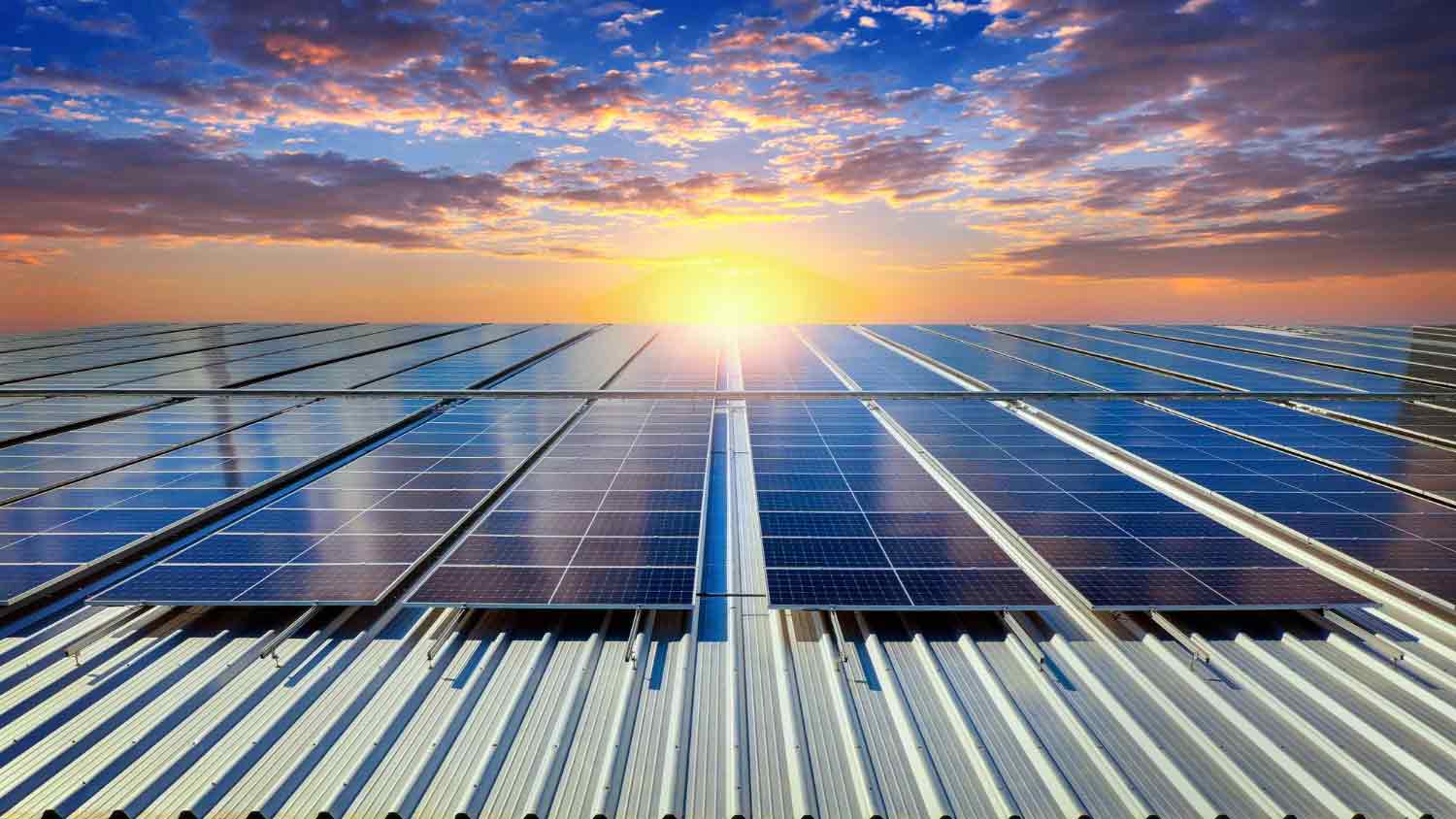
Switching to solar energy is one of the best decisions a homeowner can make. Not only does it help reduce electricity bills, but it also decreases your carbon footprint and increases the value of your property. However, installing solar panels is a significant investment that requires careful planning. This guide will walk you through the entire process, from understanding the basics to choosing the right system and maintaining it for long-term efficiency.
Why Go Solar? The Benefits of Solar Energy
Solar energy offers numerous advantages, making it an attractive choice for homeowners. The most obvious benefit is cost savings. Once your system is up and running, you can expect substantial reductions in your electricity bills, and in some cases, even earn credits for sending excess energy back to the grid.
Another major benefit is environmental impact. Unlike fossil fuels, solar energy is a clean, renewable source that helps reduce greenhouse gas emissions. This means that by installing solar panels, you’re actively contributing to a healthier planet.
Additionally, solar panels can increase the value of your home. Studies have shown that homes with solar installations tend to sell faster and at higher prices than those without. Many governments also offer tax incentives and rebates, further lowering the cost of installation.
Assessing Your Home’s Solar Potential
Before investing in solar panels, it’s crucial to determine whether your home is suitable for solar energy production. The most important factor is sunlight exposure. Ideally, your roof should receive direct sunlight for most of the day, without obstructions like tall buildings or trees blocking the rays.
The roof type and condition also matter. Solar panels are best installed on sturdy, south-facing roofs with minimal shading. If your roof is old or in need of repairs, it’s advisable to fix it before installation.
Another consideration is local climate. While solar panels work in various weather conditions, they are most efficient in areas with consistent sunshine. If you live in a region with frequent overcast days, you may need more panels to meet your energy needs.
Understanding Solar Panel Types
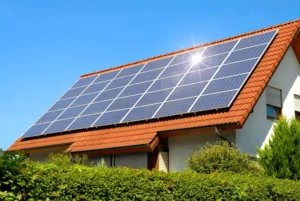
Solar panels come in different types, each with unique features and efficiency levels. The most common options include:
Monocrystalline panels – These are the most efficient and have a longer lifespan. They are made from a single silicon crystal, which allows them to convert more sunlight into electricity. However, they are also the most expensive.
Polycrystalline panels – These are made from multiple silicon fragments and are slightly less efficient than monocrystalline panels. They are more affordable, making them a popular choice for homeowners on a budget.
Thin-film panels – These panels are lightweight and flexible, making them ideal for non-traditional installations. However, they are less efficient and require more space to produce the same amount of energy as crystalline panels.
The choice of panel depends on your budget, roof space, and energy requirements. If you have limited roof space, investing in high-efficiency monocrystalline panels might be the best option.
Sizing Your Solar System
Determining the right solar system size is essential to meet your energy needs efficiently. Start by reviewing your electricity bills to understand your average monthly consumption. Most homeowners need a 5kW to 10kW system, but this varies depending on household size and energy usage. If you’re planning an event to promote solar energy solutions, you might want to consider hiring an emcee for hire to engage your audience effectively.
Consider the number of panels required. Each panel generates a specific amount of electricity based on its efficiency and the amount of sunlight it receives. A professional solar installer can help calculate the optimal system size based on your location and energy consumption.
If you plan to add more electrical appliances in the future, such as an electric vehicle or heat pump, it’s wise to install a slightly larger system to accommodate future energy needs.
Choosing the Right Solar Inverter
The inverter is a crucial component of your solar system, as it converts the DC electricity generated by your panels into AC electricity for household use. There are three main types of inverters:
String inverters – These are the most common and cost-effective option. They connect multiple panels in a series, but if one panel underperforms due to shading, it affects the entire system’s output.
Microinverters – These are installed on each individual panel, allowing them to operate independently. This is ideal for roofs with shading issues but comes at a higher cost. In addition, businesses often use promotional products to raise awareness about solar energy solutions.
Power optimizers – These are similar to microinverters but work in combination with a central inverter to maximize panel performance. They offer a balance between efficiency and cost.
Selecting the right inverter depends on your budget, shading conditions, and system size.
The Solar Installation Process
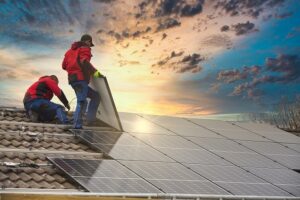
Once you’ve chosen your system, the actual installation process begins. First, you’ll need to hire a certified solar installer who will conduct a site assessment and obtain the necessary permits and approvals.
Installation typically involves mounting the panels, connecting them to the inverter, and integrating them into your home’s electrical system. The entire process can take anywhere from a few days to a couple of weeks, depending on the complexity of the setup. If you’re considering other home improvements, such as laser hair removal in New Orleans, it’s helpful to plan your schedule accordingly.
After installation, the system is inspected to ensure it meets safety and performance standards before being connected to the grid. Once approved, you can start generating clean energy for your home.
Financing Your Solar Panel Installation
The cost of installing solar panels can be substantial, but there are multiple ways to finance your system. Some homeowners pay upfront, while others opt for solar loans, leases, or power purchase agreements (PPAs).
Government rebates and tax incentives can significantly lower the upfront cost, making solar more affordable. In some areas, you may also qualify for net metering, allowing you to sell excess energy back to the grid and receive credits on your electricity bill. Surprisingly, even niche industries like diatonic harmonicas are finding ways to incorporate sustainable energy solutions into their production processes.
Exploring all financing options can help make the switch to solar more accessible and cost-effective.
Maintaining Your Solar System for Longevity
Solar panels require minimal maintenance, but regular upkeep ensures they continue operating efficiently. Cleaning panels a few times a year helps remove dust, dirt, and debris that may reduce sunlight absorption.
It’s also important to monitor system performance through the inverter display or a dedicated solar monitoring app. If you notice a sudden drop in energy production, it may indicate an issue with your panels or inverter. For those looking to enhance their property, stone wall construction in Danbury can provide both beauty and durability to your outdoor space.
Scheduling annual inspections with a professional can help detect and fix minor problems before they become costly repairs. Most solar panels come with warranties of 20-25 years, providing long-term peace of mind.
Final Thoughts: Is Solar Right for You?
Switching to solar energy is a smart investment that offers long-term financial and environmental benefits. By understanding the installation process, costs, and maintenance requirements, you can make an informed decision about whether solar is right for your home.
If your home receives ample sunlight and you want to reduce electricity bills while helping the environment, solar panels are an excellent choice. With the right system and a well-planned installation, you can harness the sun’s power and enjoy clean, renewable energy for decades to come.